
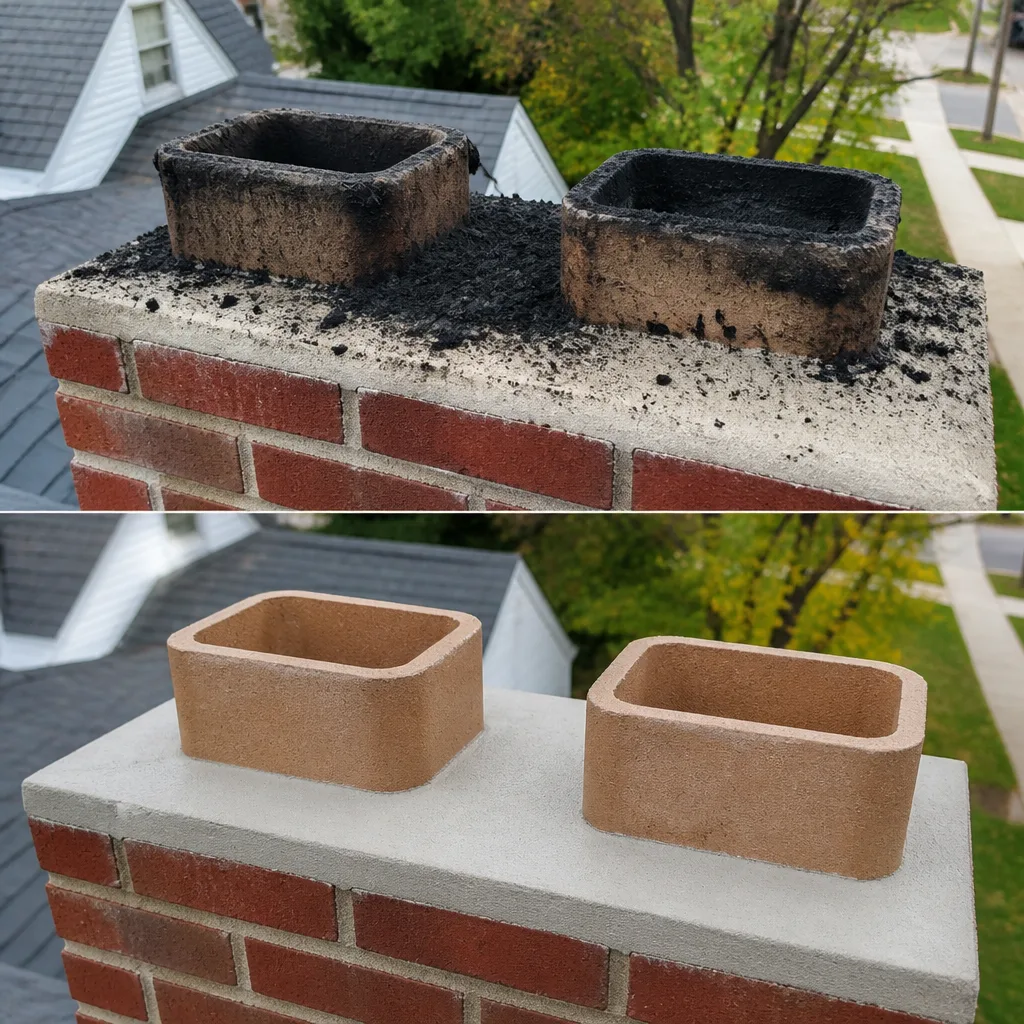
 Sweep & inspection
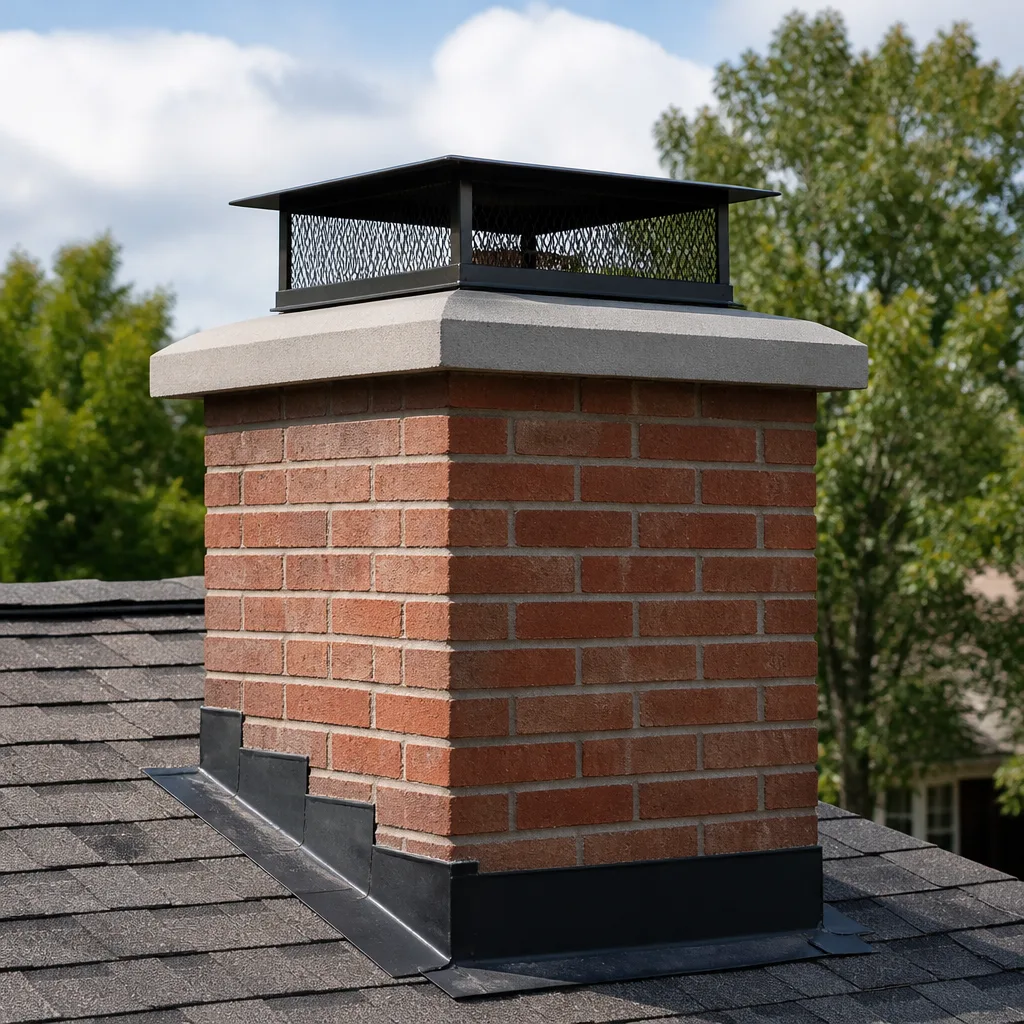 Caps & crowns
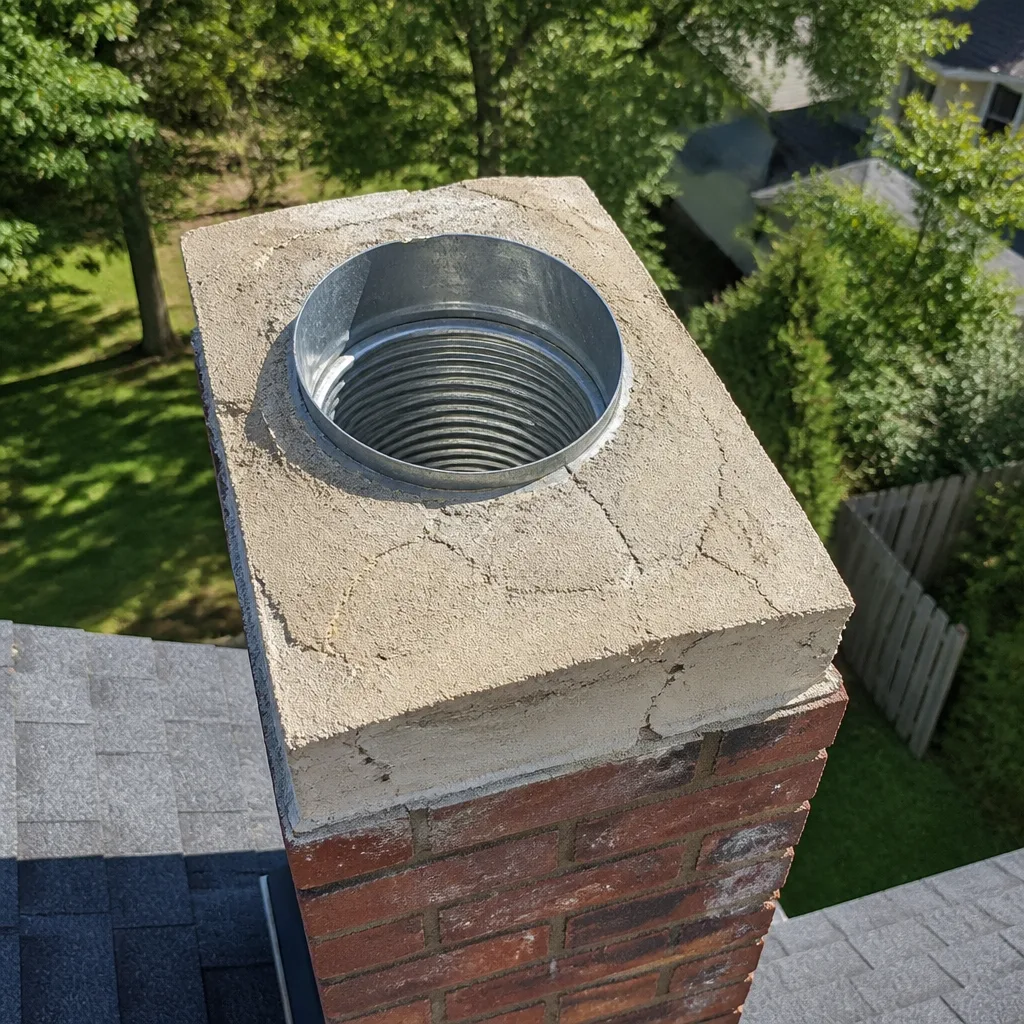 Flue relining
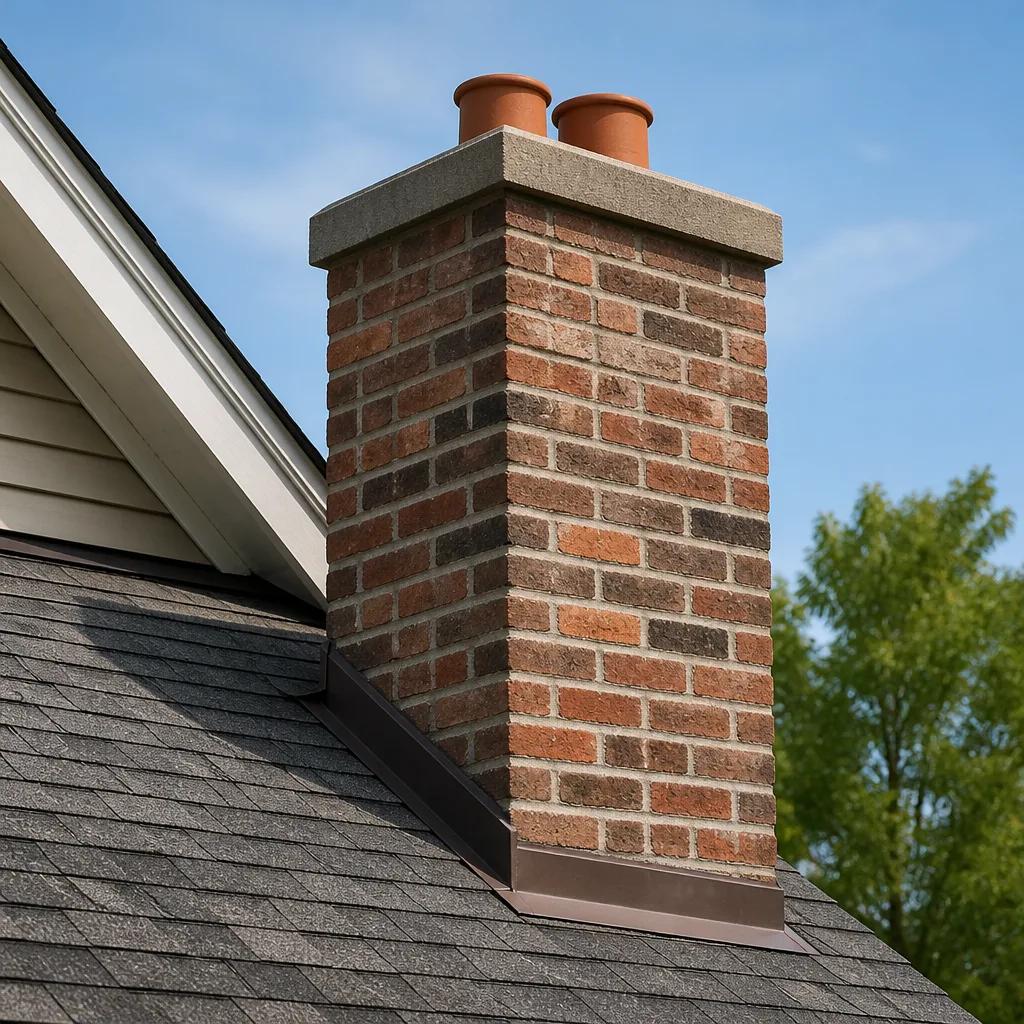 Masonry repair
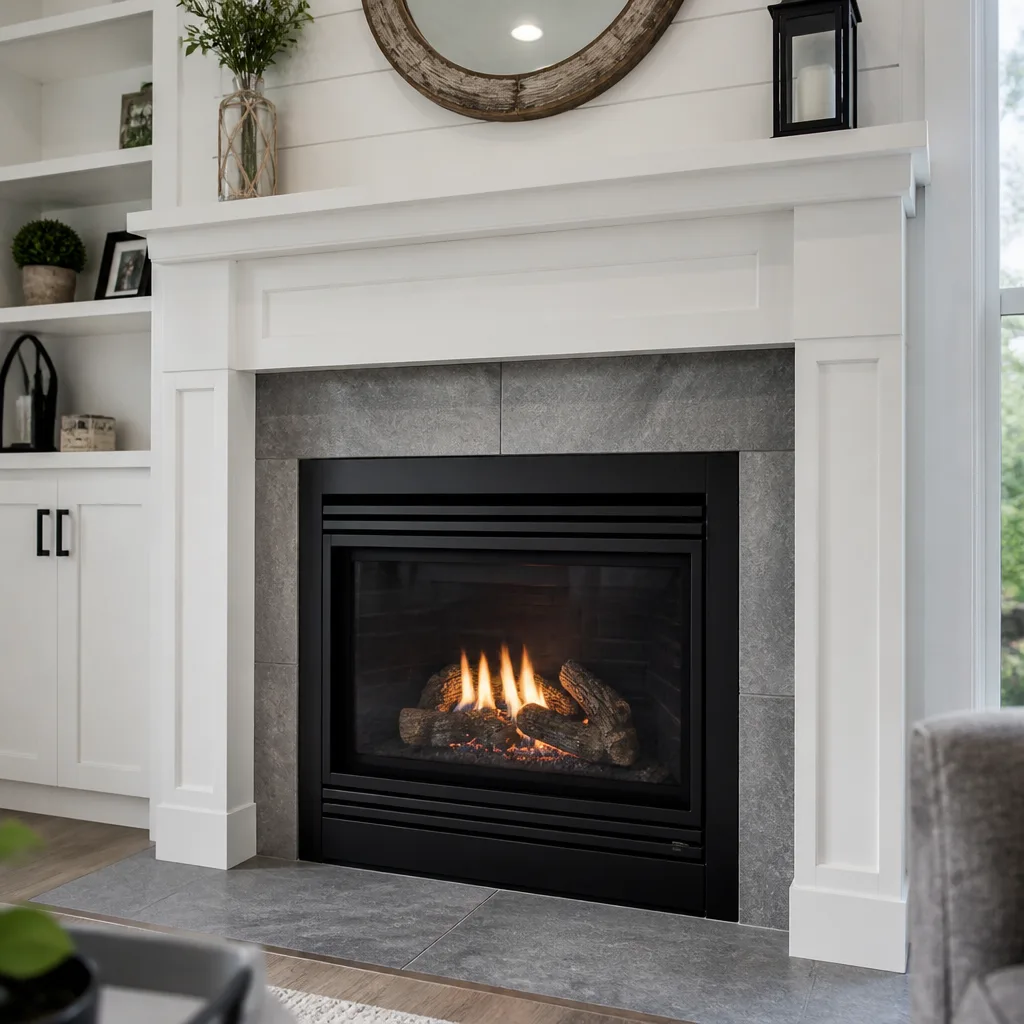 Gas fireplace service
Level 1 sweep and inspection to the NFPA 211 annual standard - flue, crown, cap, and flashing checked and photographed
Chimney sweep logs do not sweep chimneys. They loosen some creosote - which then falls where a brush and vacuum still have to collect it.
Styles & brands we work with
- Sweep & inspection
- Caps & crowns
- Flue relining
- Masonry repair
- Gas fireplace service
See the difference
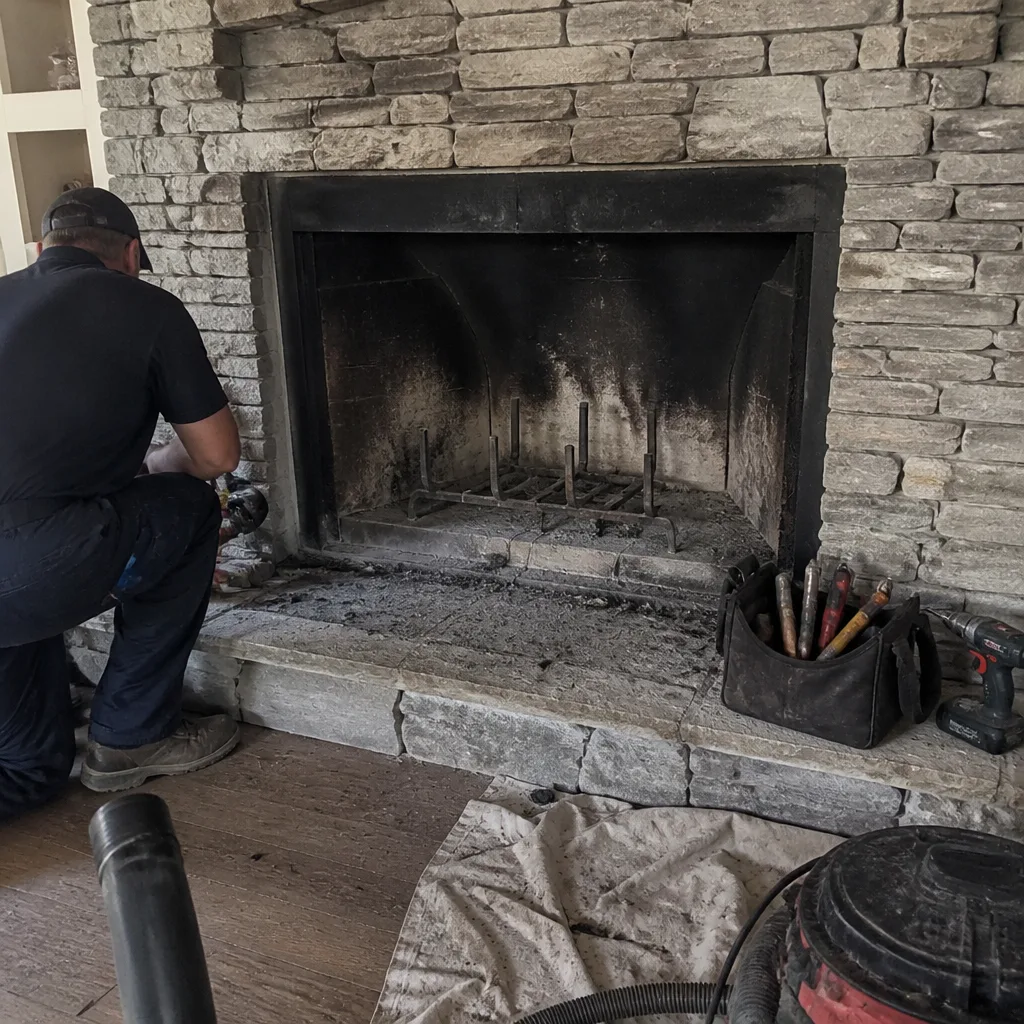 Before
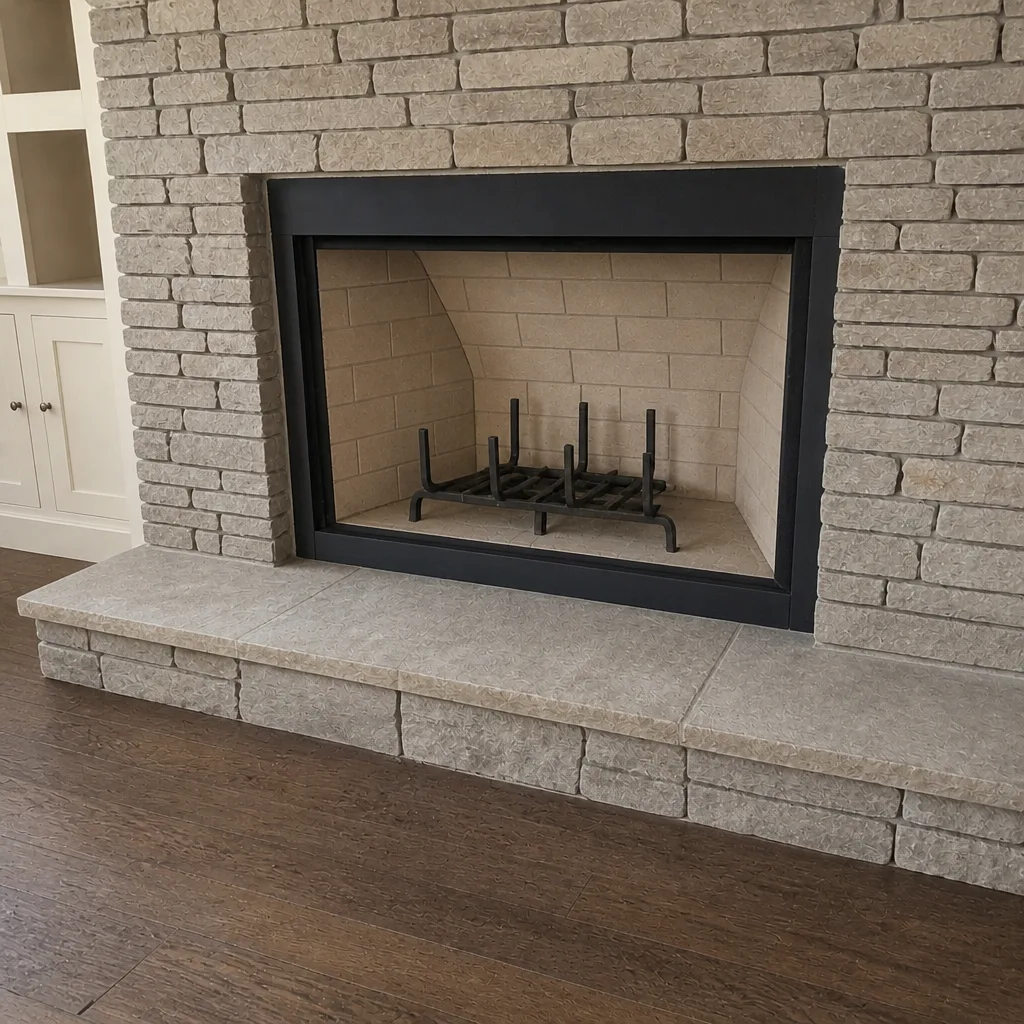 After
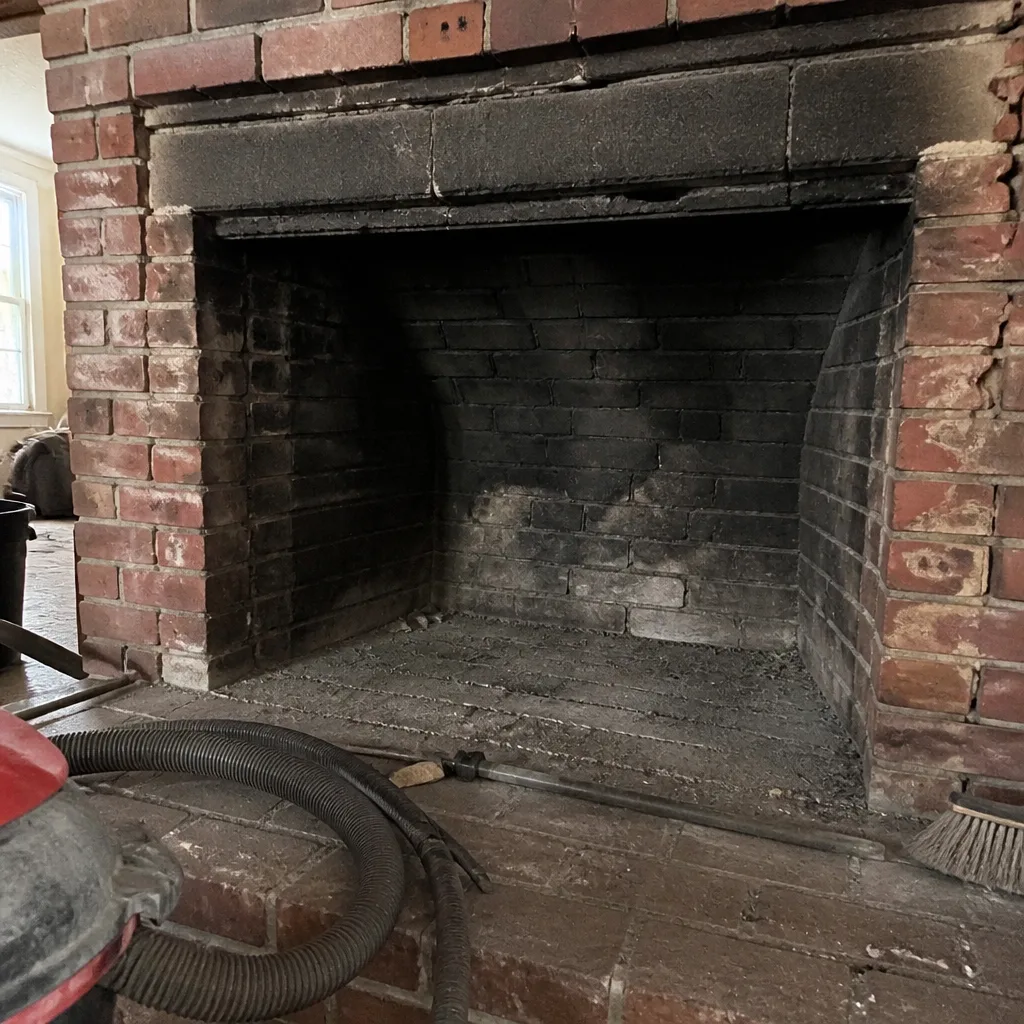 Before
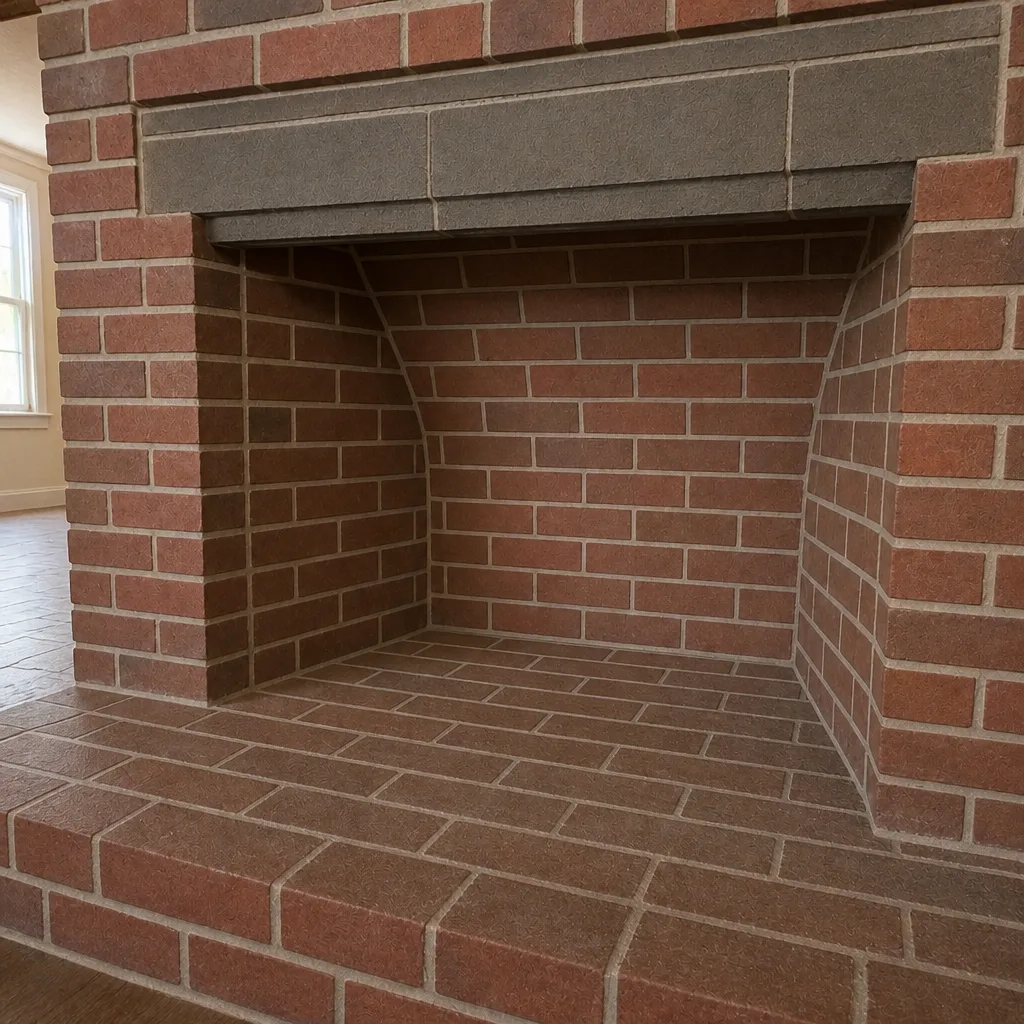 After
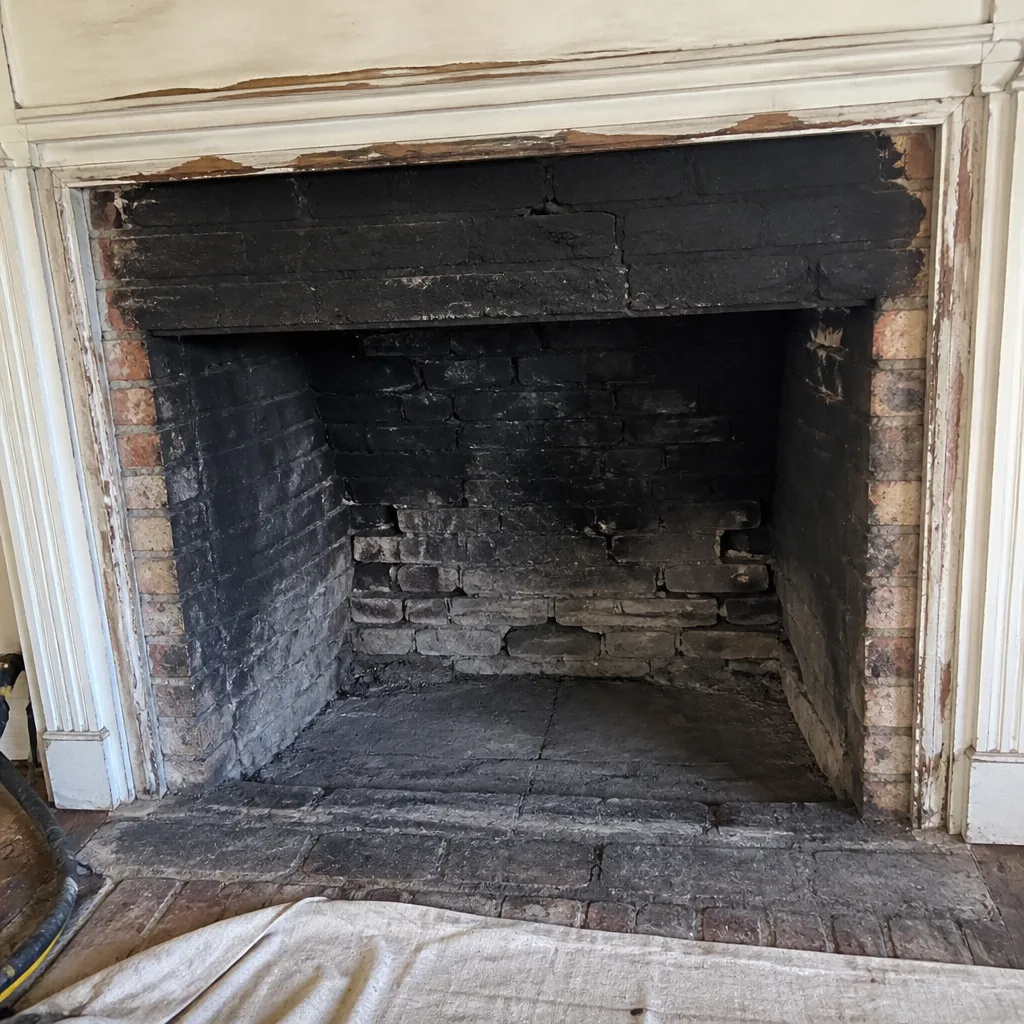 Before
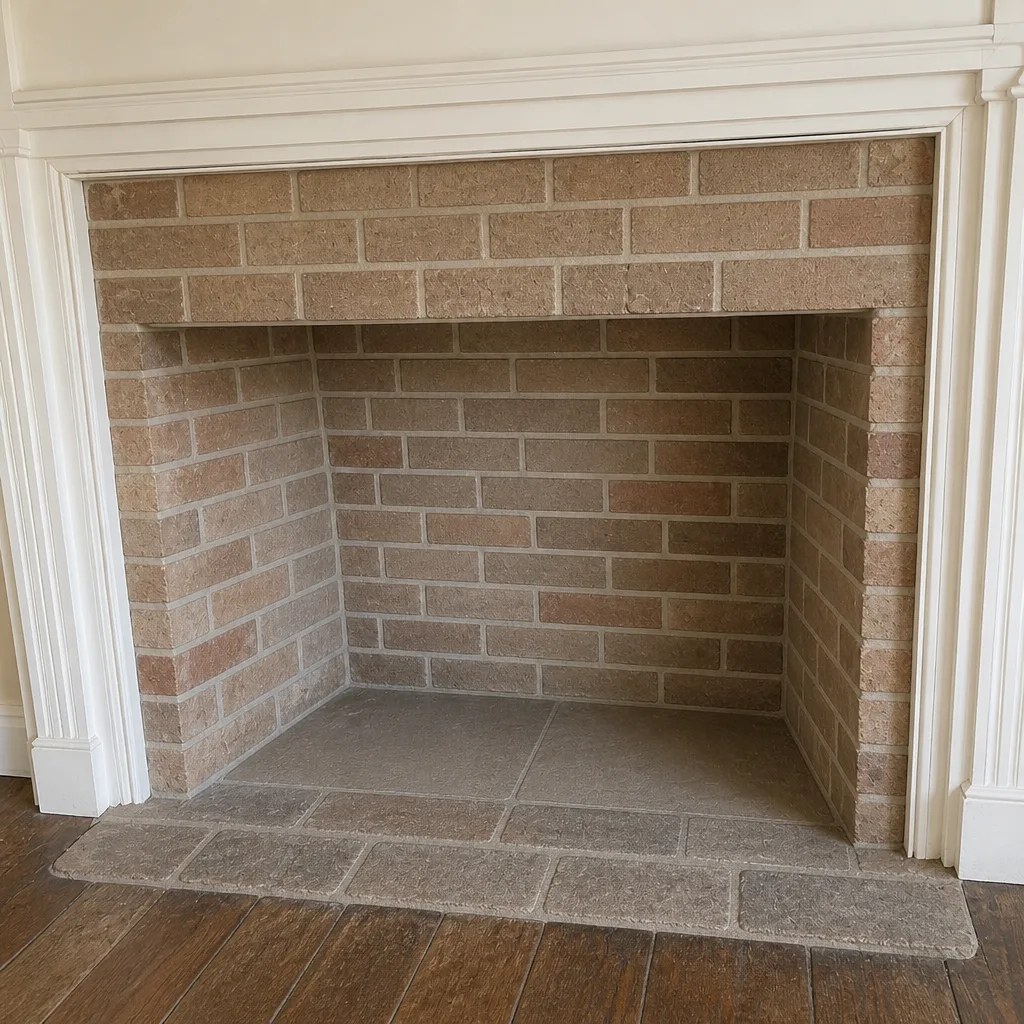 After
How Much Does Chimney Liner & Rebuild Cost in North Charleston?
Chimney liner and rebuild work in North Charleston typically runs $1,800 to $6,500 for a full stainless flexible liner installation, while a partial masonry rebuild starts around $2,500 and a full chimney rebuild can reach $9,000 or more depending on height and damage. A HeatShield flue resurfacing job, which restores a lightly damaged flue without full relining, generally falls between $1,200 and $2,800. The written estimate sets the final price, and we give that estimate free.
The single biggest reason North Charleston homeowners end up pricing a liner is a failed flue. A cracked or missing clay tile liner lets heat, creosote and carbon monoxide move into the structure of the house. When an inspector flags the flue, the question isn’t whether to fix it. It’s which fix applies: resurfacing, relining, or a rebuild. This guide breaks down what each one costs in this market so you can plan before anyone climbs on the roof.
Key Takeaways
- Full stainless flexible liner installation: $1,800-$6,500.
- HeatShield flue resurfacing: $1,200-$2,800.
- Partial masonry rebuild: from about $2,500; full rebuild up to $9,000+.
- Crown, cap and flashing repairs add $250-$1,800 depending on scope.
- Our technicians have up to 14 years of experience, and we work only in chimney systems.
- Estimates are free. Call (855) 723-7039.
Chimney Liner & Rebuild Cost Breakdown (2026)
Below are the typical ranges we see for liner and rebuild work in North Charleston. Treat these as estimated ranges that help you budget. A written estimate based on an inspection is what sets your actual number.
| Work | Typical Cost Range |
|---|---|
| Full stainless flexible liner installation (single flue) | $1,800 – $6,500 |
| HeatShield flue resurfacing (restoration, no full liner) | $1,200 – $2,800 |
| Chimney cap replacement (Gelco precision-fit) | $250 – $650 |
| Crown repair or rebuild | $400 – $1,800 |
| Flashing repair at the roofline | $350 – $900 |
| Partial masonry rebuild (upper courses and breast) | $2,500 – $5,500 |
| Full chimney rebuild (tear-out and rebuild to full height) | $6,000 – $9,000+ |
| Inspection (visual or camera-assisted) to price the repair | Free with estimate |
A few things push a number up or pull it down. A straightforward reline on a straight flue with good access to the top and the firebox lands near the low end. An offset flue, a multi-flue stack, an insert that has to be disconnected and reset, or a chimney that has to be accessed from a steep roof pitch all move the job toward the higher end. Rebuilds are the most variable line: a rebuild is priced on how much of the original masonry has to come out, how tall the chimney is, and what the structure looks like once the outer courses come down. Behind a soft brick face, there can be a second surprise.
Materials are part of the number too. We install DuraFlex flexible liner systems for full relining, apply HeatShield for flue resurfacing, and source caps and components through Olympia Chimney, Famco and Copperfield. Professional-grade brands cost more than unbranded materials on the day and less over the life of the chimney. The material is also what holds up when the fire is hot and the flue is working hard, which is the whole reason it’s there.
What Affects Chimney Liner & Rebuild Pricing in North Charleston
- Flue condition and liner type. A flue that’s cracked but intact may only need HeatShield resurfacing. One that’s missing tiles, has gaps at the joints, or is sized wrong for the appliance needs a full DuraFlex liner. That single decision is the widest gap on this list.
- Chimney height and roof access. Many North Charleston houses sit on lower roof pitches where access is manageable, but a tall chimney or a steep, complicated roofline adds setup, staging and time. Every hour on a roof is a line in the estimate.
- Masonry damage depth. A rebuild is priced on what has to come out. Squirrelly joints, spalling brick at the crown and water damage in the upper courses are common; a rebuild that stops at the crown is far cheaper than one that peels back to the roofline.
- Appliance and venting setup. A wood-burning fireplace, a gas insert and a wood stove each demand a specific liner size and connector. Disconnecting and reconnecting an insert, or adapting a stove, adds labor to a reline.
- Cap and crown condition. A missing or undersized cap lets rain into the flue, which is a big reason liners fail in the first place. Capping with a Gelco cap and repairing the crown is often part of the same job, and doing it together is more economical than two separate visits.
- Code compliance. New liner and rebuild work has to meet current installation rules and local permitting. Most cities require a permit for structural chimney work, so ask North Charleston’s building department what applies to your job before work starts.
How to Save on Chimney Liner & Rebuild
The most reliable way to keep the bill down is to catch the problem while it’s still small. A flue that gets resurfaced early avoids a full reline later, and a liner installed correctly the first time spares you a rebuild. That’s why we inspect first, repair right, and skip the guesswork: the inspection tells us whether you’re looking at a $1,200 resurfacing or a $6,500 reline, and you can make that call before anything is ordered.
- Get the inspection before the emergency. A failed flue doesn’t announce itself. An inspection catches cracks and gaps at a fraction of the cost of the repair it prevents.
- Bundle crown, cap and liner work in one estimate. Pulling the crew out once for a liner, cap and crown repair is cheaper than three separate visits, and the pieces are all part of the same system.
- Fix the source of water intrusion. Water is the slow destroyer of masonry chimneys. A properly fitted cap and a sound crown keep the flue dry and add years to a liner.
- Don’t swap a liner for a bargain liner. The labor to install is the bulk of the cost, so putting an unbranded liner under the same labor as a DuraFlex liner is a false economy. The install cost is the same; the lifespan is not.
- Get a free written estimate. Call (855) 723-7039 and we’ll inspect, explain the options and put the numbers in writing. No charge for the estimate.
If you’re also due for routine service before any repair decision, pairing a cleaning with the inspection gives you a clear picture in one visit. Our Denali Chimney Sweep team handles sweep, inspect and repair as three connected services, so you don’t have to call a sweep, then a mason, then a liner installer.
What Does a Chimney Liner Installation Actually Involve?
A liner installation is a structural repair, not a cleaning. On a typical job, we clean and assess the existing flue, confirm whether resurfacing is enough or a full liner is required, then install a correctly sized DuraFlex flexible liner down the length of the flue and connect it to the appliance and the top termination. The work runs from the firebox up to the crown, and the cap goes on last. That’s why a reline is a system job: the appliance, the flue, the cap and the crown all have to agree with each other.
Rebuilds follow the same logic one step further. When the masonry has failed beyond what a liner can protect, the damaged section comes out and gets rebuilt, and then the flue is relined or resurfaced inside the new structure. The order matters; a liner installed inside failing masonry is money spent twice.
Is a Chimney Liner and Rebuild Service Something I Can Skip?
No. A damaged flue is a fire and carbon-monoxide concern, not a cosmetic one. Creosote builds up inside the flue with every fire, and a cracked or missing liner lets heat and gases reach the framing and living space directly. That’s the danger a liner is designed to hold back. Because the work involves a hot flue, gas appliances and structural masonry, this is a job for a trained professional; we don’t recommend homeowners attempt flue or masonry repairs themselves. We treat your chimney as a system, and the inspection tells us which repair the system actually needs.
Why Choose a Chimney Specialist for Liner and Rebuild Work?
Liner and rebuild work sits at the deep end of chimney service, and it’s a different discipline from a general handyman’s rotation. Every technician, every tool and every stocked material in our work is chimney-specific. We install DuraFlex liners, we’re certified to apply HeatShield resurfacing, and we source through Olympia Chimney, Famco and Copperfield. Our technicians have up to 14 years of experience, and our focus is the same across sweep, inspect and repair: inspect first, repair right, no guesswork.
If you have a second property or a rental in the area, we also work across North Charleston, so the same team can price liner and rebuild work at each address on one consistent standard.
Most sweep-only companies can’t do a reline, and many masons can’t size or install a liner correctly. We cover the full range under one company so you’re not managing the handoff between trades.
FAQs – Chimney Liner & Rebuild Cost
How much does a chimney liner cost in North Charleston?
A full stainless flexible liner installation in North Charleston typically costs $1,800 to $6,500 for a single flue. The range depends on flue height, access, appliance type and whether the crown or cap needs work at the same time. Call (855) 723-7039 for a free estimate on your exact flue.
Is HeatShield resurfacing cheaper than a full reline?
Yes, usually. HeatShield flue resurfacing generally runs $1,200 to $2,800 and restores a flue that’s cracked but still structurally sound, where a full reline lands at $1,800 to $6,500. An inspection tells you which one your flue actually needs. Estimates are free, so call (855) 723-7039 and we’ll price both where they apply.
How much does a chimney rebuild cost in North Charleston?
A partial masonry rebuild typically runs $2,500 to $5,500, and a full rebuild can reach $6,000 to $9,000 or more depending on chimney height and how deep the damage goes. The written estimate sets the final price after we see the structure. Call (855) 723-7039 to get that estimate scheduled.
Can you repair my liner and rebuild the chimney in one visit?
Often yes, when the scope allows it, and we quote both together so the labor and access are handled once. Many jobs combine liner work with a crown repair or cap replacement in a single estimate. Call (855) 723-7039 and we’ll tell you what your chimney needs and what it will cost.
Do I need a permit for chimney liner or rebuild work in North Charleston?
Structural chimney work commonly requires a permit, so ask North Charleston’s building department what applies to your project before work starts. We install to current code, and the inspection before the estimate confirms what your job will need. Call (855) 723-7039 with any questions about the process.
How do I reach you?
Call (855) 723-7039. We answer 24/7, and fast dispatch runs from 7am to 7pm, Sunday through Friday. The estimate is free and the price is set per job by the written estimate.
Pricing reflects the North Charleston market as of 2026. Denali Chimney Sweep offers free estimates – call (855) 723-7039.
Written by the team at Denali Chimney Sweep.
What Our Customers Say
"Swept it, capped it, and installed a proper damper. The downdraft smell in the summer that we'd lived with for years is gone."
- Yolanda Castillo"Creosote buildup was worse than I realized. He measured it, showed me the glazing on the flue with the camera, and was honest that we were closer to a chimney fire than I wanted to hear."
- Adam Sullivan"Level two inspection before we bought the house. The report was detailed enough to use as a negotiating point and he explained every photo in it."
- Erin Sutton