
Last updated November 15, 2026
 Sweep & inspection
 Caps & crowns
 Flue relining
 Masonry repair
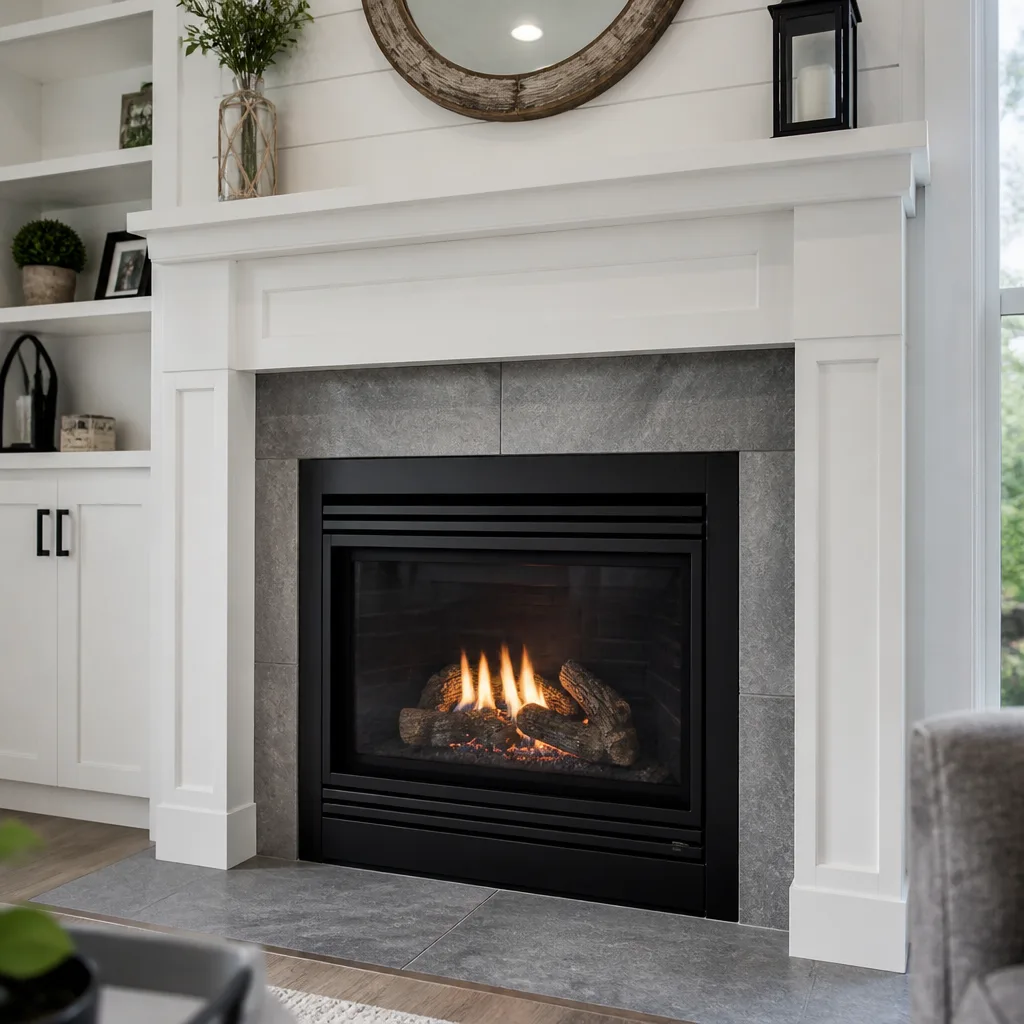 Gas fireplace service
Level 1 sweep and inspection to the NFPA 211 annual standard - flue, crown, cap, and flashing checked and photographed
Chimney sweep logs do not sweep chimneys. They loosen some creosote - which then falls where a brush and vacuum still have to collect it.
Chimney Cleaning Permits, Codes & Inspections in North Charleston, SC: What You Need to Know
A chimney cleaning is routine. The permit conversation that surrounds it usually isn’t. Here’s the misconception we run into most in North Charleston: people assume that because sweeping a flue never requires a permit, nothing else about their chimney does either. That holds right up until a technician touches the liner, the firebox, or the chimney structure, and the rules change completely. Most homeowners only discover where the regulatory line sat when a home inspector finds unpermitted work years later. This guide maps that line for North Charleston homeowners, from routine sweeping through full flue relining, so you know what’s exempt, what’s permitted, and how to verify the contractor standing in your living room pulled the right paperwork.
Quick Answer
Routine chimney cleaning and Level 1 inspections in North Charleston and the surrounding Charleston County area do not require a permit. Structural work does: replacing a liner, rebuilding a firebox or crown, altering the chimney chase, or installing a new stove or insert all fall under the International Residential Code, and most of those jobs require a permit from the City of North Charleston or the Charleston County building department. After any structural repair, NFPA 211 calls for a fresh inspection to confirm the work brought the chimney back into compliance.
Styles & brands we work with
- Sweep & inspection
- Caps & crowns
- Flue relining
- Masonry repair
- Gas fireplace service
Table of Contents
- Where the Permit Threshold Actually Sits
- How IRC Chapter 10 Applies to Chimney Repairs
- What NFPA 211 Requires After Structural Repair
- What a Code-Compliant Liner Installation Includes
- How to Verify a Contractor Pulled the Right Permits
- The Real Estate Consequences of Unpermitted Work
- Inspection Levels and When You Need Each One
- Why Chimney Wear Looks Different in North Charleston
Where the Permit Threshold Actually Sits
In North Charleston, the dividing line runs between cleaning and construction. Cleaning removes creosote and debris from a flue that’s already built. Construction changes the chimney itself, and that’s where codes kick in. The distinction matters because it determines who’s responsible if something goes wrong later, and whether your insurer or a future buyer will accept the work.
Here’s how the split usually breaks down:
- No permit: Routine sweeping, a Level 1 visual inspection, cap replacement on an existing chase, a chimney cleaning bundled with a camera inspection.
- Permit typically required: Full liner replacement, firebox rebuild, crown reconstruction, masonry repair that alters the structure, new wood stove or insert installation, and any change to the chimney’s height or footprint.
- Case by case: Repointing mortar joints, replacing a damper assembly, and relining an existing flue with a cast-in-place system like HeatShield resurfacing. These often need a call to the building department to confirm.
We treat your chimney as a system, not a single sweep, and that’s exactly why the permit question comes up so often on a first visit. A cleaning confirms what shape the flue is in. If the camera shows a cracked liner or a crumbling firebox, the conversation moves from maintenance to repair, and repair has a paper trail. Before any of that work starts in North Charleston, ask plainly what permits the job requires, because a licensed contractor who knows the code will answer without hesitation. If you’re already past the inspection stage and need a chimney repair evaluation, that’s the moment to ask the permit question, not after the crew has packed up.
How IRC Chapter 10 Applies to Chimney Repairs
Chapter 10 of the International Residential Code governs chimneys and fireplaces, and South Carolina adopts the IRC as the basis for residential construction. What that means in practice is that a liner, firebox, or chimney chase isn’t rebuilt to whatever standard the installer prefers. It has to meet the code’s requirements for clearance to combustibles, flue sizing, the height of the chimney above the roofline, and the material standards for the flue itself.
For a homeowner, three provisions come up more than any others:
- Clearance to combustibles. A masonry chimney needs proper separation from wood framing and other combustible materials. Unpermitted work that ignores clearance is one of the most common defects a home inspector finds, and correcting it can mean opening walls.
- Flue sizing to the appliance. A liner matched to the wrong appliance drafts poorly and collects creosote faster. Code requires the flue to be sized appropriately for what it vents.
- Roofline height requirements. The chimney has to extend the correct distance above the roof surface and nearby roof features. This is checked during a permitted installation and rarely checked on a quick replacement.
Relining a flue with a flexible stainless system is precisely the sort of work that needs to meet these standards, which is why we stock and install DuraFlex flexible liner systems and neither we nor any careful contractor treats the job as a quick swap. The permit process exists to make sure a qualified set of eyes confirms those clearances before the liner goes in. When we look at an aging masonry chimney in a North Charleston neighborhood like Park Circle, where a lot of the housing went up before modern code, this chapter is often what determines whether a straightforward reline is enough or the structure needs more.
What NFPA 211 Requires After Structural Repair
NFPA 211, the standard for chimneys, fireplaces, vents, and solid fuel-burning appliances, calls for an inspection after any structural repair. The point isn’t paperwork for its own sake. It’s confirming that the repair actually restored the chimney to a safe, code-compliant condition before the appliance goes back into use.
After a liner replacement, a firebox rebuild, or a crown reconstruction, the standard practice is a Level 2 inspection. That’s the level that uses a camera to look at the full interior of the flue and covers the accessible portions of the chimney, including concealed areas that a visual walk-around can’t reach. For the homeowner, this inspection is where the evidence lives. The camera footage tells you what changed, whether the new liner sits correctly, and whether any older defect is still hiding above the smoke chamber.
We work from that same principle on every job: inspect first, repair right, no guesswork. After a structural job, the post-repair inspection is the document that proves the work was done to standard. Keep it. When you sell the house, or when an insurer asks a question, that inspection report answers it far faster than a contractor’s verbal recollection ever could. If your current flue has never had a Level 2 inspection, or the last one predates a repair, it’s worth scheduling one in North Charleston before the next heating season rather than during it.
What a Code-Compliant Liner Installation Includes
A code-compliant liner installation in North Charleston includes four things: a flue sized to the appliance, an approved liner material, proper connections at the top and bottom of the run, and a permit that was pulled and inspected. Miss any one of them and the job may function fine for a while, but it won’t hold up when a home inspector, an insurer, or a future buyer looks closely.
The components that matter most:
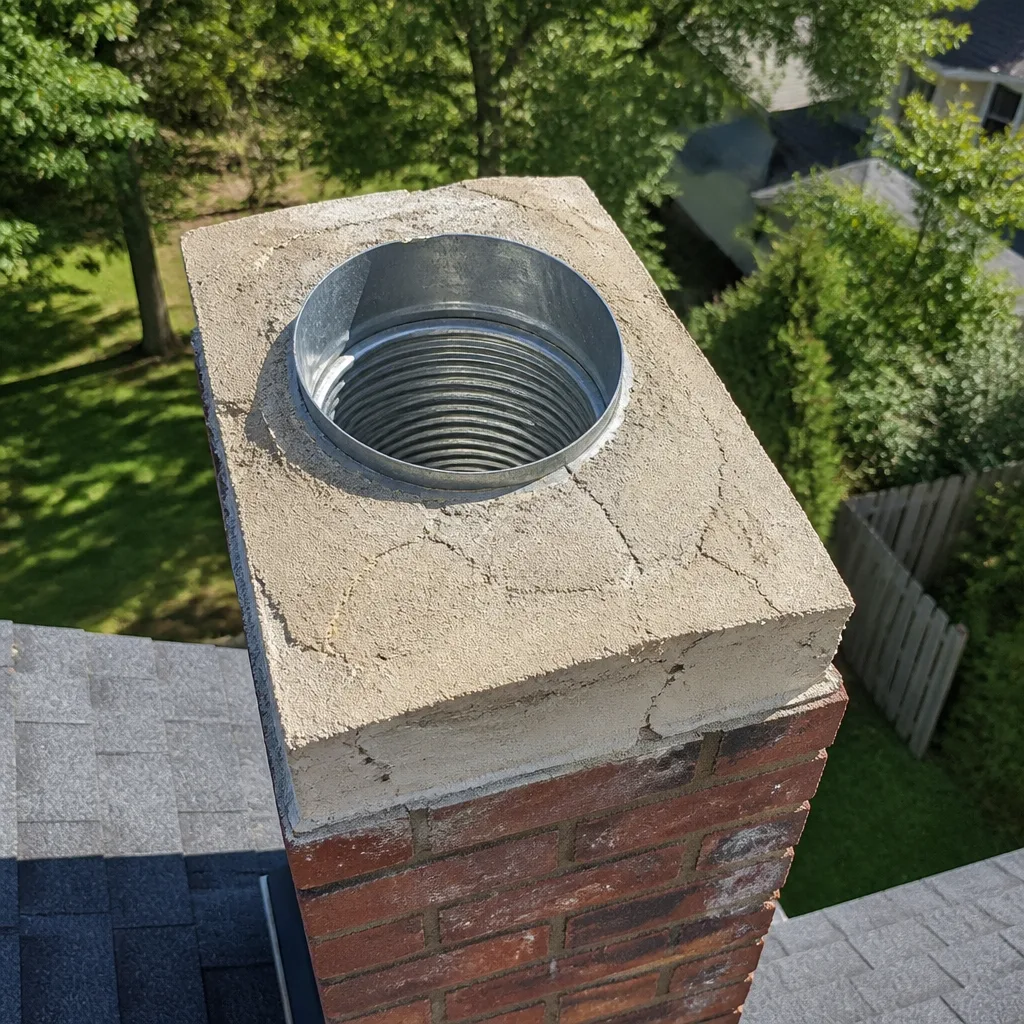
- The liner itself. It has to be rated for solid fuel and correctly sized. We install DuraFlex flexible liner systems because they’re made for full relining, and the manufacturer’s specifications are what the permit inspection is checking against. A professional-grade product isn’t a badge of luxury; it’s what the code review relies on.
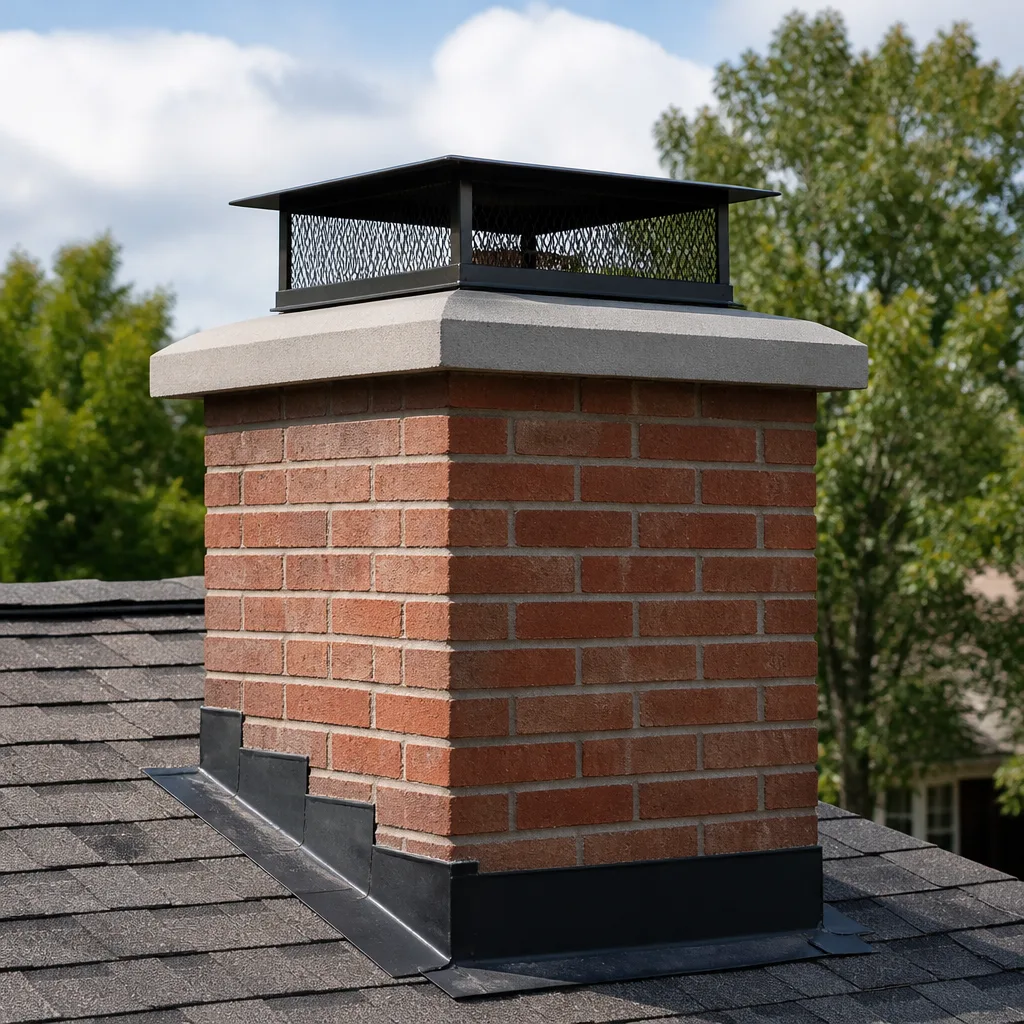
- The cap. A properly fitted cap keeps water and animals out of the flue. We use Gelco chimney caps for their precision fit and durability, which matters because a loose cap is a slow path to interior damage.
- Insulation and clearance. Where the code calls for it, the liner needs the right insulation and clearances to combustibles. This is where unpermitted work most often cuts corners, since it’s the least visible part of the job.
- The connection at the appliance. The flue pipe or connector at the stove or insert has to be secure and properly sealed. A gap here lets carbon monoxide into the room, and it’s a code requirement, not a nice-to-have.
We source materials through Olympia Chimney and Famco, established supply lines in the chimney trade, because a liner from a known manufacturer comes with the documentation a permit inspection wants to see. When a technician offers a reline with no brand name attached, that’s a warning sign. Ask what product, ask to see its listing, and ask who’s pulling the permit.
How to Verify a Contractor Pulled the Right Permits
Verify permits before work begins, never after. The homeowner can do this in a handful of steps, and a contractor who’s on the level will make it easy. The building department holds the record, and the permit should be open in the homeowner’s name at the job address before the first piece of old liner comes out.
- Ask for the permit number before the scheduled work date. A contractor pulling a permit gets a number. There’s no reason to keep it from you.
- Call the City of North Charleston or Charleston County building department and confirm it. Give the address and the permit number. They’ll tell you what the permit covers and whether it’s open.
- Confirm the scope matches the job. A permit for a cap replacement doesn’t cover a liner. Make sure the description on file matches what’s actually being done.
- Ask who performs the inspection. Most permitted chimney work gets inspected by the building department before it’s signed off. Know when that’s coming.
- Get the final inspection paperwork when the job closes. This is the record that proves the work passed. Keep it with your home documents.
If a contractor stalls on the permit question, tells you permits aren’t needed for a liner, or offers to “handle it later,” treat that as a reason to slow down. In our experience, the technicians who know the code are the ones who volunteer the permit number without being asked. The homeowner who asks before the work starts is the one who never has to explain an unpermitted repair at closing.
The Real Estate Consequences of Unpermitted Work
In the Charleston-area real estate market, unpermitted chimney work surfaces at the worst possible moment: during a home inspection, after you’ve accepted an offer. A buyer’s inspector flags the liner, the firebox, or the chase, the buyer asks for documentation, and there isn’t any. What follows is either a price concession, a repair demand, or a lost sale while the paperwork gets sorted out.
Why it hits harder in North Charleston than it might elsewhere: much of the housing stock here runs from mid-century to newer construction, and a lot of the older masonry chimneys have been through at least one repair by now. If that repair was unpermitted, the current owner may not even know. The liability travels with the house. A buyer’s lender can also raise questions when an inspection report shows work with no permit on record, and an insurer may decline to cover a chimney that wasn’t installed to code.
The fix is straightforward. If you’re selling and you don’t know your chimney’s permit history, get a Level 2 inspection and pull the permit records before you list. If a repair was done unpermitted, have it evaluated and, where needed, brought up to code with a proper permit. That’s cheaper than a concession at the negotiating table. We see this play out in North Charleston often enough that we tell every homeowner the same thing: the permit record is part of the house, and it follows the house to the next owner. Cleaning up the record now is the whole point of doing the job right the first time.
Inspection Levels and When You Need Each One
NFPA 211 defines three inspection levels, and knowing which one you need depends on what’s happening with the chimney, not on how often you’ve had it cleaned. Homeowners often ask for “an inspection” without knowing the levels exist. The right level changes the scope, the time, and what you get at the end.
- Level 1: A visual inspection of the readily accessible portions of the chimney, plus the firebox and the appliance connection. This is the level that normally accompanies a routine annual cleaning and works for a chimney with no known problems and no changes since the last inspection.
- Level 2: Everything in Level 1, plus a camera inspection of the flue interior and review of accessible concealed areas. This is the level required after a structural repair, after a change in appliance or fuel type, and when a property changes hands. It’s also the one to request when you’ve been told the flue “needs attention” and you want to see the evidence yourself.
- Level 3: The most involved level, used when a Level 1 or 2 inspection reveals a serious hazard that can’t be assessed without opening up parts of the chimney or structure. This one is reserved for specific problems.
The distinction matters for two reasons. First, a Level 2 is what the code and the NFPA standard expect after structural work, and a Level 1 doesn’t satisfy that. Second, the Level 2 camera inspection produces a photo report you can keep. Every one of our inspections includes that report, and we don’t recommend a repair without camera evidence the homeowner can see. If someone tells you the flue is bad but can’t show you the footage, that’s a reason to get a second look, not to write a check. Cleaning, inspection, and repair all live under one roof here because the homeowner shouldn’t have to coordinate three contractors to get one honest answer about a flue in North Charleston.
Why Chimney Wear Looks Different in North Charleston
North Charleston’s climate is warm and humid for much of the year, with a heating season that’s shorter and milder than what northern homeowners plan around. That short season changes the pattern of chimney wear in ways that matter for inspection and code compliance. A chimney here may sit idle for months, then get used heavily during the few cold stretches, and that cycle puts particular stress on the flue.
Three local factors come up repeatedly:
- Humidity and masonry. Extended warm, humid stretches let moisture work into masonry and mortar joints. A chimney that drafts poorly during an idle period holds that moisture longer, and a defect that would be minor in a dry climate can grow through the summer. That’s one reason we don’t assume an older chimney is sound just because it was fine last winter.
- Short but intense burning seasons. Homeowners tend to run the fireplace harder when there’s a cold snap, which builds creosote faster than steady, moderate use. The result is that a flue cleaned at the end of last season may need attention mid-season, and the homeowner won’t know without a look.
- Aging housing stock. North Charleston has plenty of older masonry chimneys that have seen repairs over the years. Some were permitted and documented. Some weren’t. The only way to know which you have is to pull the records and have the flue inspected.
None of this means every chimney in North Charleston needs work. It means the inspection is how you find out. When work is needed, clean and repair can safely wait if the inspection shows no hazard, and we’ll tell you when that’s the case. When a defect is present, acting before the next burning season is the safer and usually the cheaper choice. Where you are in North Charleston, that’s a chimney sweep and inspection that gives you a straight answer, not a sales pitch.
Common Mistakes to Avoid
- Assuming a liner replacement doesn’t need a permit. Cleaning is exempt; replacing the liner isn’t. The homeowner who assumes otherwise ends up with unpermitted work that surfaces at the worst moment. Ask the question before the crew arrives, not after.
- Hiring a contractor who can’t produce a permit number. If the contractor stalls on the permit, that’s the answer. The building department confirms permits by address, so verifying takes one phone call.
- Skipping the Level 2 inspection after structural work. NFPA 211 expects an inspection after a repair, and a Level 1 visual check doesn’t meet that. Get the post-repair camera report and keep it.
- Buying a home in North Charleston without checking chimney permit records. A thorough home inspector will flag unpermitted work, but the permit history is a separate record worth pulling before you close. It’s a small step that prevents a big surprise.
- Accepting a repair quote with no camera evidence. If a technician recommends a reline or a firebox rebuild without showing you footage of the problem, don’t commit. Ask to see what they’re seeing.
- Ignoring the flue because the house is new to you. An idle chimney through a humid North Charleston summer can hide a moisture problem that only shows up in the fall. A Level 2 inspection on a newly purchased home is worth the time.
- Letting one contractor sweep and another repair with no shared record. When the sweep and the repair live in different shops, the permit record and the inspection report can get lost in the handoff. One specialist handling all three phases keeps the paperwork with the work.
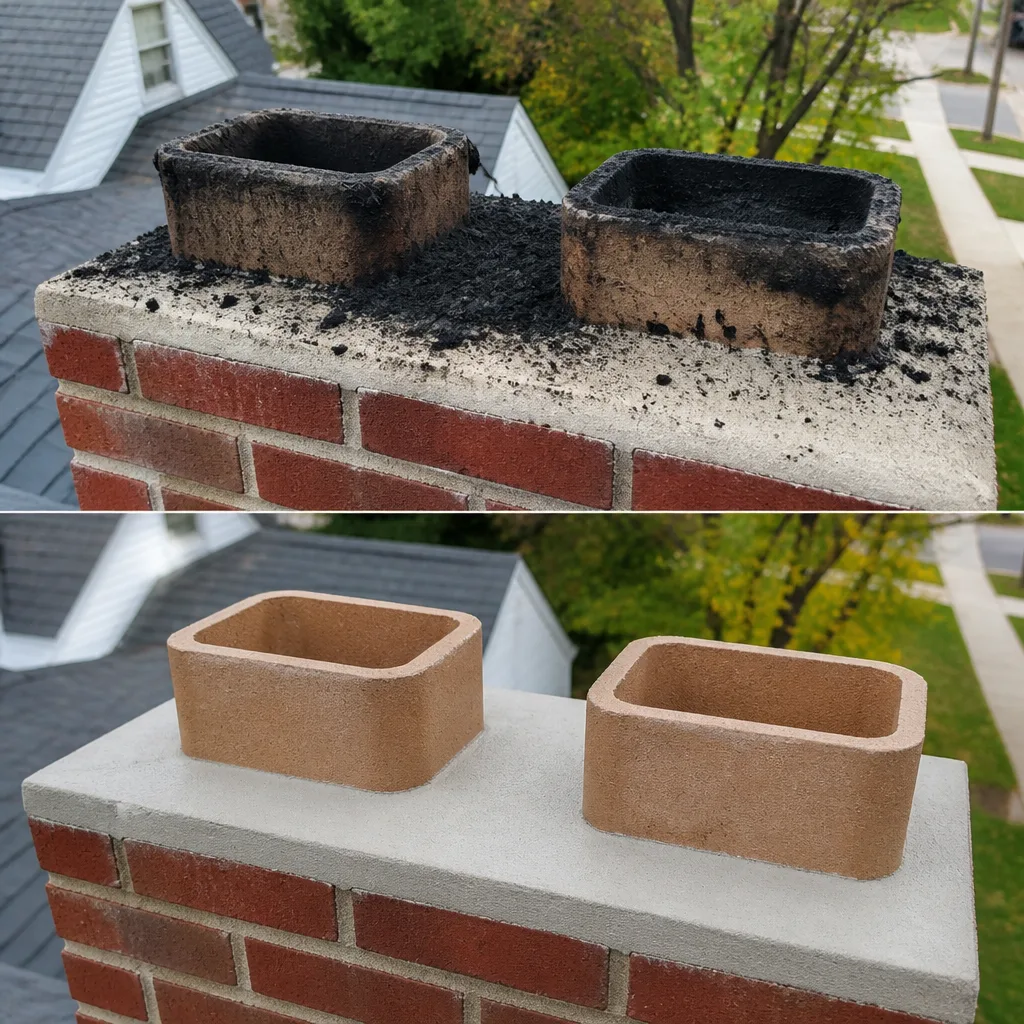
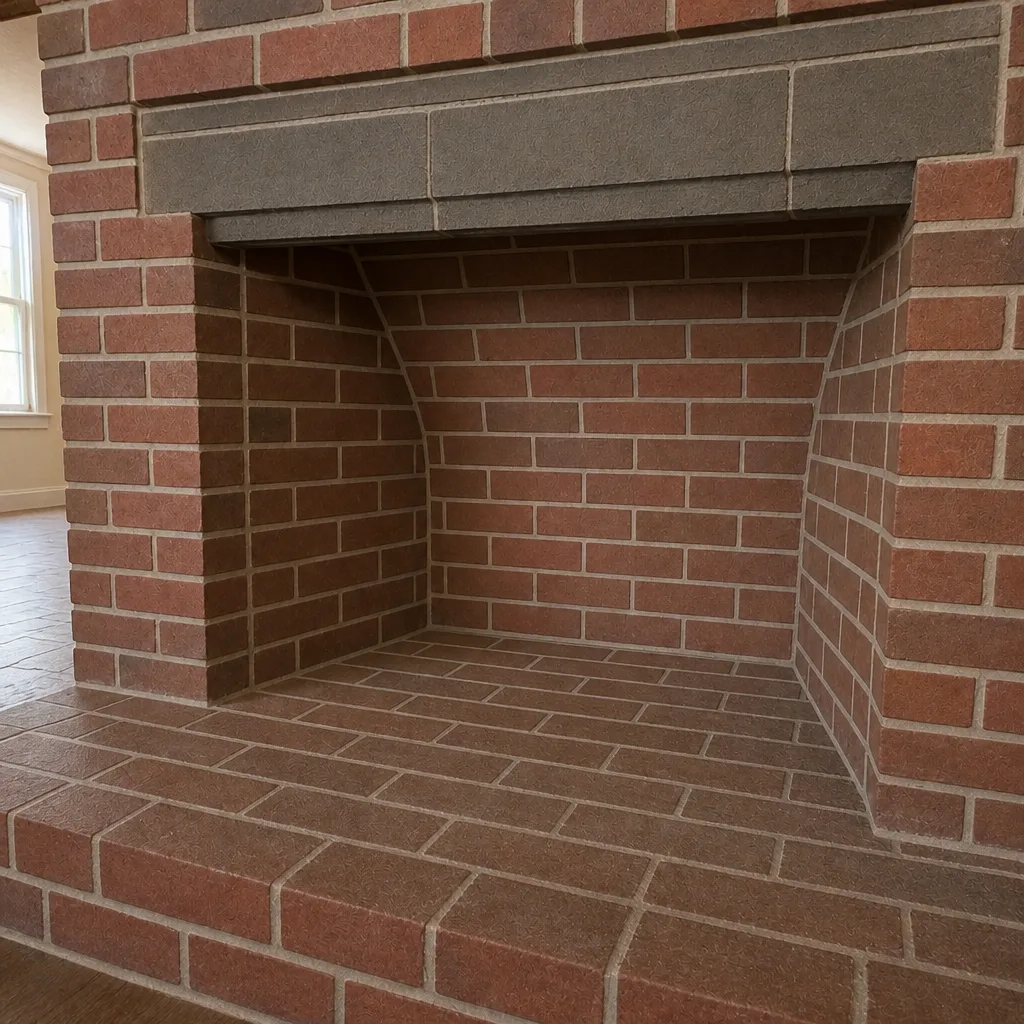
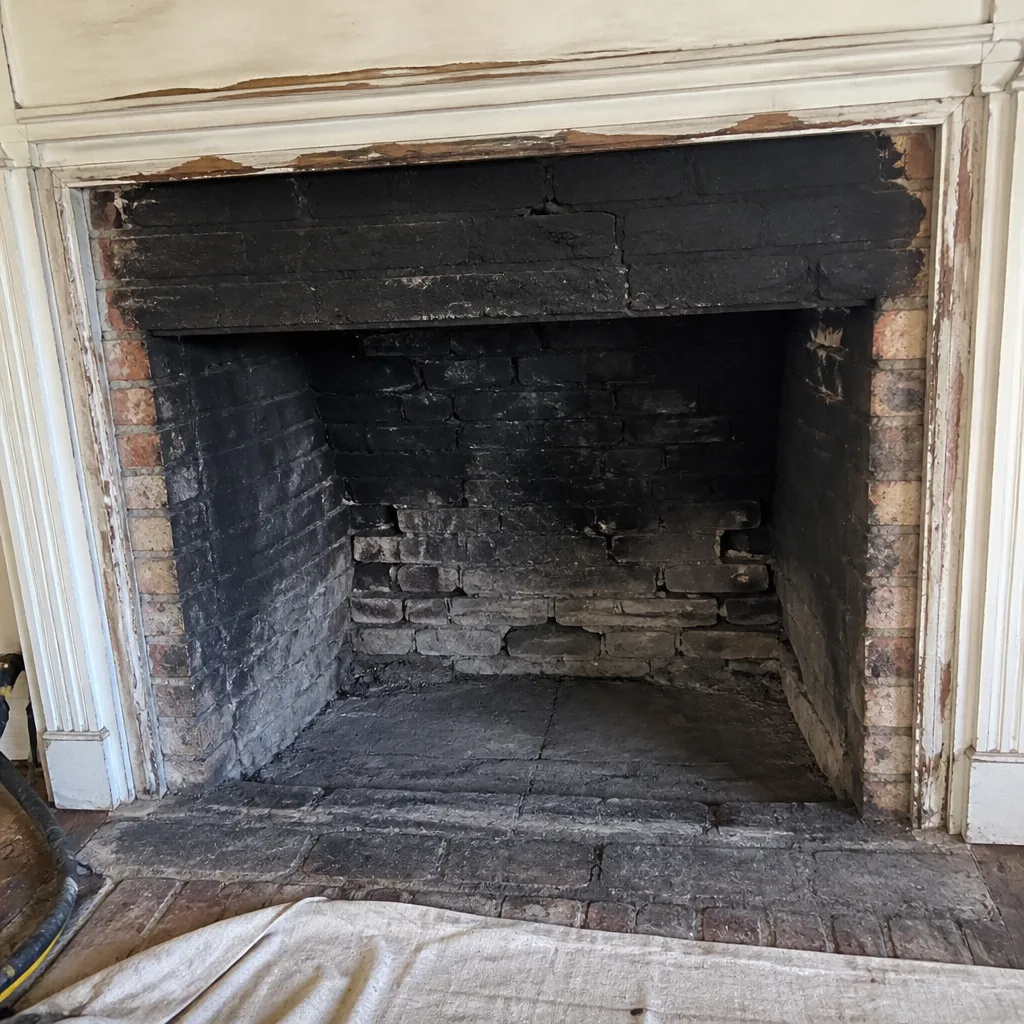
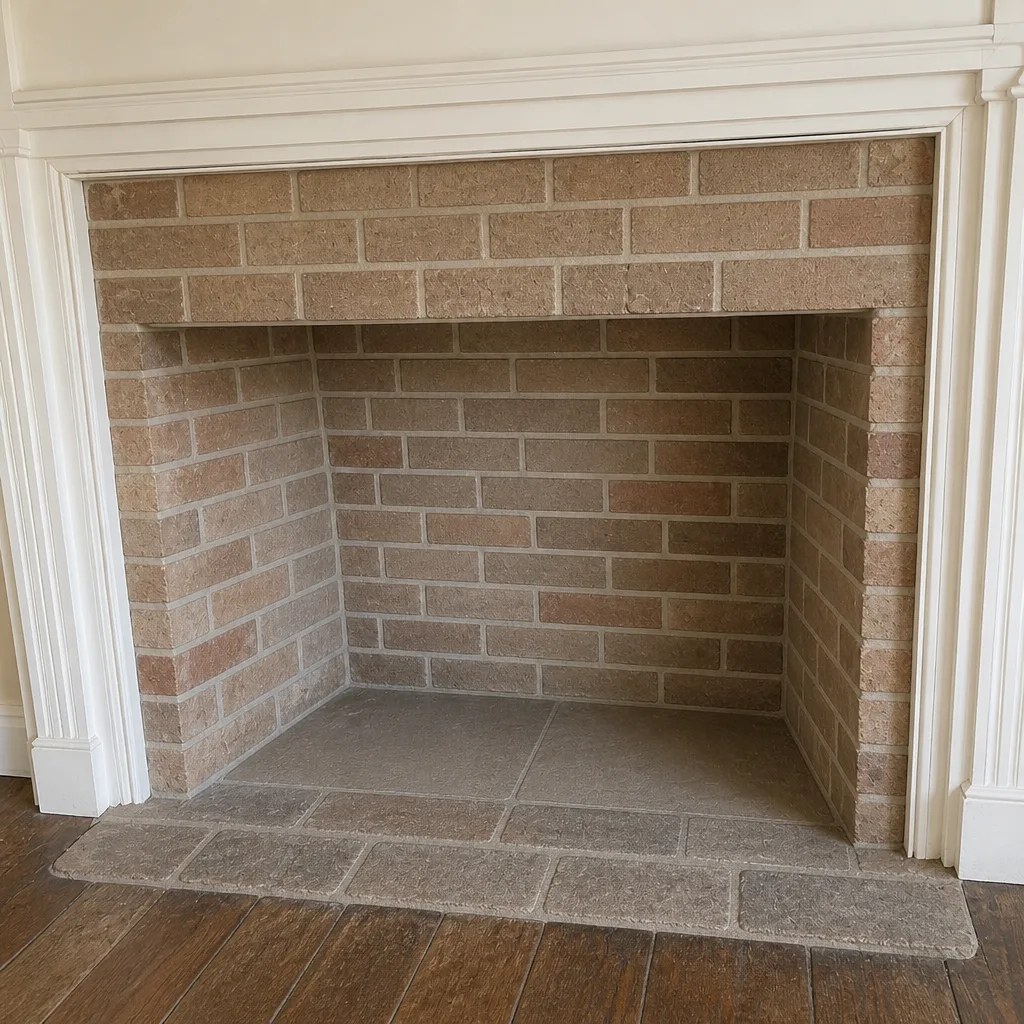
See the difference
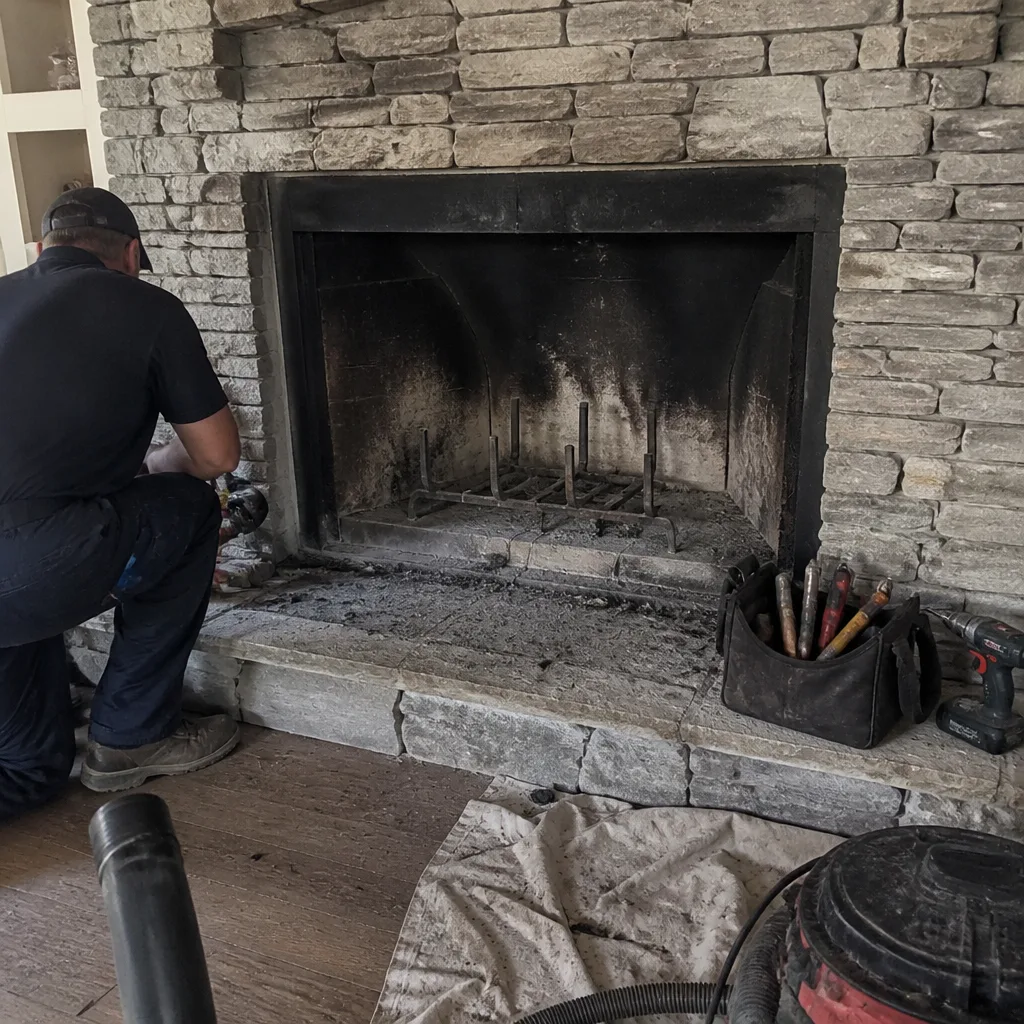 Before
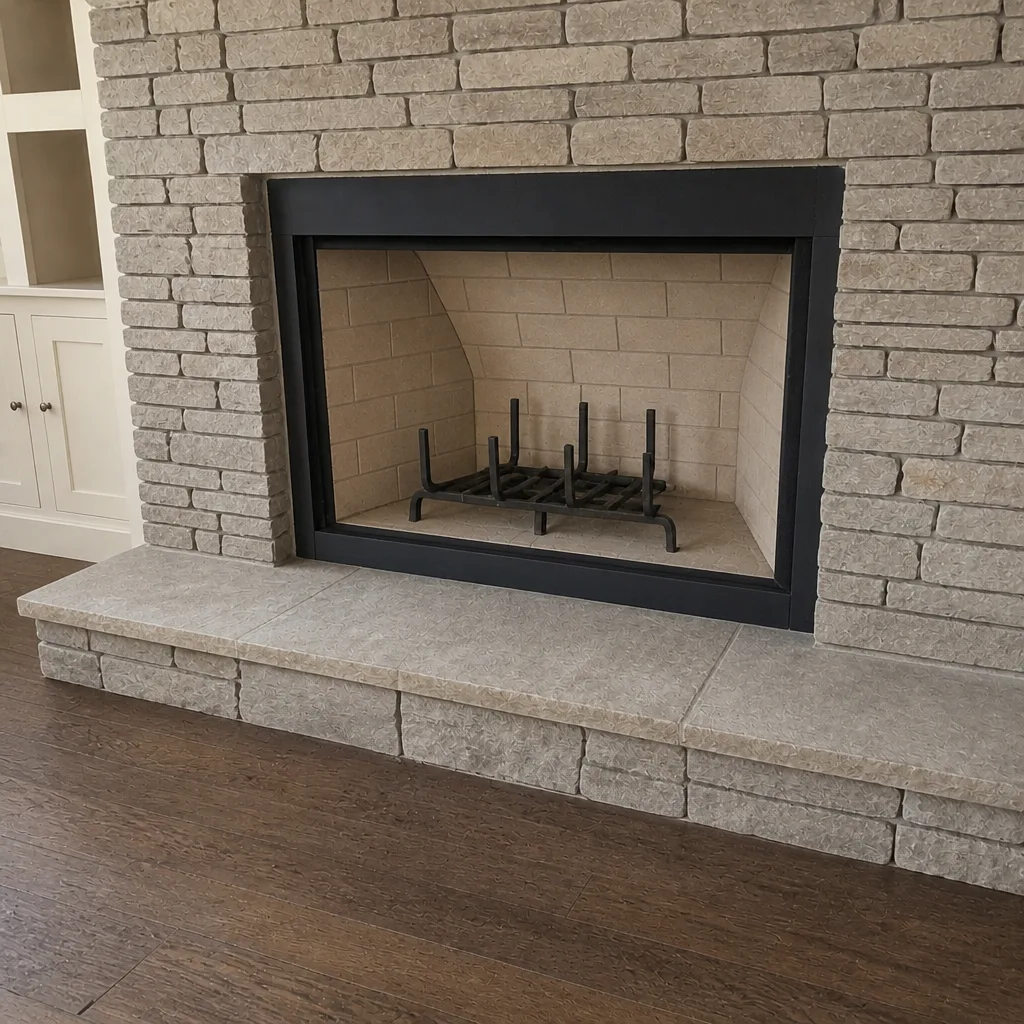 After
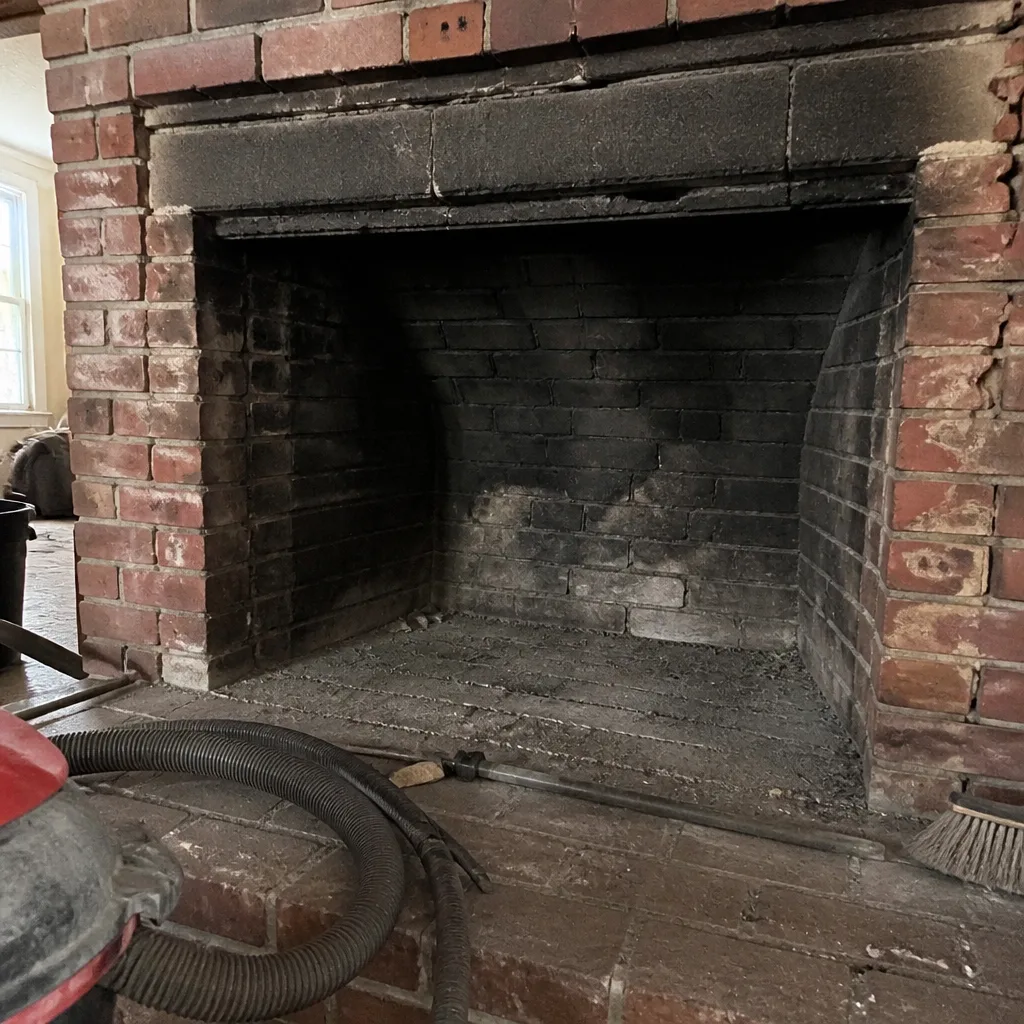 Before
 After
 Before
 After
When to Call a Professional
Call a professional when the job touches anything beyond routine cleaning: a liner you’re told needs replacing, a firebox with cracked mortar, a crown that’s crumbling, or a flue that’s never had a camera inspection. Call when you’re buying or selling a North Charleston home and don’t know the chimney’s permit history. Call when an inspector told you the flue needs attention and you want to see the evidence yourself before you commit to anything. Call after any structural repair to get the post-repair inspection NFPA 211 expects. Call when your carbon monoxide detector has gone off, or when you smell gas near a fireplace or stove, and treat those as immediate safety issues, not maintenance items. If you’re simply due for a cleaning before burning season, call and get it on the books.
Denali Chimney Sweep offers free estimates in North Charleston, call (855) 723-7039. We answer 24/7. Fast dispatch from 7am to 7pm, Sunday through Friday. Our technicians have up to 14 years of experience, our estimates are free, and the written estimate sets the final price.
Frequently Asked Questions
No. Routine chimney cleaning and a Level 1 visual inspection do not require a permit in North Charleston. The permit line is crossed when the work becomes structural: a liner replacement, a firebox rebuild, a crown reconstruction, or a new stove or insert install. Call (855) 723-7039 for an exact quote on a cleaning or inspection, estimates are free.
Yes, in most cases. A full liner replacement is structural work that falls under IRC Chapter 10, and it typically requires a permit from the City of North Charleston or Charleston County building department. The permit confirms the flue is sized and installed to code. Ask your contractor for the permit number before the work starts, and call (855) 723-7039 if you want an independent evaluation first.
NFPA 211 calls for a Level 2 inspection after any structural repair. A Level 1 visual check doesn’t cover the flue interior, while a Level 2 uses a camera and reviews accessible concealed areas. That post-repair report is the document that proves the work was done to standard.
You can find out by calling the City of North Charleston or Charleston County building department with the property address and asking for the permit history. If a repair was done and no permit exists on record, a Level 2 inspection will show what was installed and whether it meets code. Call (855) 723-7039 to book that inspection, estimates are free.
It can. Unpermitted work surfaces during a home inspection, and a buyer or lender may ask for documentation you don’t have, which can lead to a price concession or a delayed closing. Pulling the permit record and getting a Level 2 inspection before you list solves the problem before it reaches the negotiating table.
Ask for the permit number in advance, then call the building department and confirm it against your address and the job scope. A contractor who knows the code will give you the number without hesitation. If they stall, that’s your signal to get a second look before any work starts.
No. Cleaning removes creosote and debris from a flue that’s already built, and that doesn’t require a permit in North Charleston or Charleston County. What does need a permit is any work that changes the liner, firebox, or chimney structure. Call (855) 723-7039 to get a cleaning on the books, estimates are free.
An inspection is how you find out whether there’s a problem in the first place, so skipping it only delays the answer. A Level 2 inspection with a camera report shows you exactly what shape the flue is in, and we don’t recommend a repair without that evidence in front of you. Call (855) 723-7039 for a free estimate on an inspection.
The Bottom Line
Routine cleaning in North Charleston is maintenance. Everything that touches the liner, the firebox, or the chimney structure crosses into permitted territory, and that’s the line most homeowners don’t see until a home inspection surfaces unpermitted work. Pull the permit record, ask for the permit number before the crew starts, and get a Level 2 inspection after any repair. When a technician shows you camera footage before recommending thousands of dollars of work, that’s the evidence you were owed all along. We handle sweep, inspect, and repair under one roof because the chimney is a system, and the paperwork should travel with the work.
Denali Chimney Sweep is a chimney specialist serving homeowners in North Charleston and the surrounding area. We work exclusively with professional-grade brands including HeatShield, Gelco, Olympia Chimney, and Famco, and we handle cleaning, inspection, and repair with the same team. Call (855) 723-7039 for a free estimate. We answer 24/7. Fast dispatch from 7am to 7pm, Sunday through Friday. The written estimate sets the final price.
Written by the team at Denali Chimney Sweep.