
Last updated November 15, 2026
 Sweep & inspection
 Caps & crowns
 Flue relining
 Masonry repair
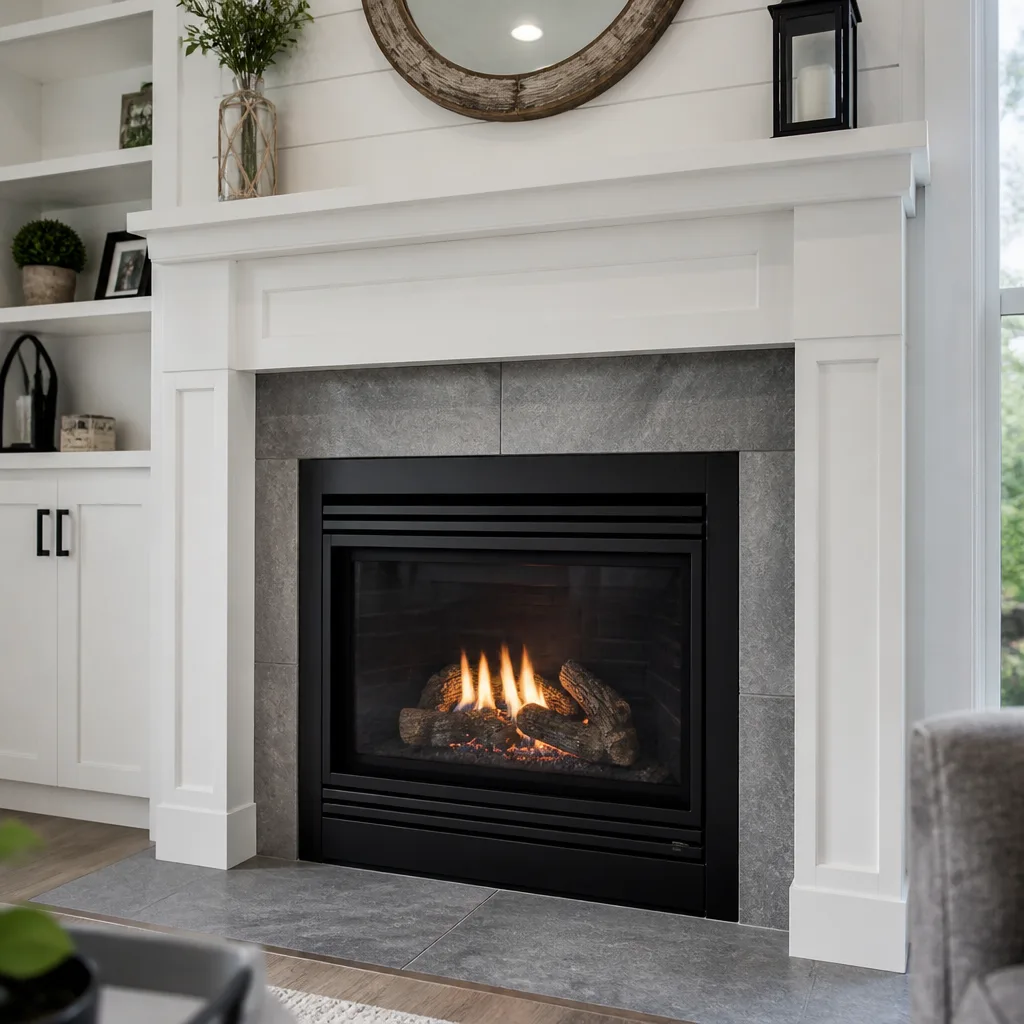 Gas fireplace service
Level 1 sweep and inspection to the NFPA 211 annual standard - flue, crown, cap, and flashing checked and photographed
Chimney sweep logs do not sweep chimneys. They loosen some creosote - which then falls where a brush and vacuum still have to collect it.
Chimney Cleaning Warning Signs: A North Charleston Homeowner’s Reference Guide
Most chimney warning sign checklists hand you a symptom and stop there. A stain, a smell, a little smoke. What they leave out is the part that matters: chimney problems cluster, and two symptoms arriving together tell a very different story than one symptom on its own. A single puff of smoke from the firebox is often just draft physics at work. That same puff plus a dark stain on the outside brick plus a damper that grinds when you open it points to moisture intrusion into a masonry system, which cleaning alone won’t touch. This guide teaches North Charleston homeowners to read combinations, not isolated signals, so you know when a problem is a routine sweep and when it needs a technician’s eyes.
Quick Answer
Chimney cleaning warning signs are any signals that your flue has accumulated dangerous creosote, is blocked, or has failed structurally: a strong smoky smell even when no fire is burning, black or glazed creosote visible above the damper, smoke rolling back into the room, rust or white staining on the chimney exterior, and crumbling mortar or brick. In North Charleston’s wet, humid climate, the most urgent combinations pair a smoky firebox with exterior staining or a rusting damper, which usually means water is entering the system and a cleaning alone won’t fix it. When you see two or more signs together, book an inspection rather than assuming a sweep will cover it.
Styles & brands we work with
- Sweep & inspection
- Caps & crowns
- Flue relining
- Masonry repair
- Gas fireplace service
Table of Contents
- How to Use This Guide: Reading Symptoms in Clusters
- The Three Stages of Creosote: What Each Smell and Look Demands
- Symptom Clusters: Cleaning-Level Issues vs. Structural Problems
- Warning Signs You Can See From the Ground
- How North Charleston’s Humidity Shows on Your Chimney
- Backdraft From Draft Physics vs. backdraft From Blockage
- Interior Signs Homeowners Miss
- What a Professional Inspection Actually Checks
How to Use This Guide: Reading Symptoms in Clusters
A chimney is a system, not a tube. The firebox, damper, smoke chamber, flue, crown, cap and the masonry that ties them together all affect one another, so a failure in one part tends to announce itself through another part that looks unrelated. That’s why reading symptoms one at a time leads to wrong conclusions. A homeowner notes a smoky firebox, assumes the flue is clogged, books a basic sweep, and learns afterward that the real problem was a cracked crown letting water soak the brick, which swelled the masonry and pinched the flue.
We approach diagnosis as a pattern-matching exercise. The useful question isn’t “what does this one symptom mean?” but “what do these three symptoms share?” Some combinations almost always trace back to creosote buildup and clear up with a proper chimney sweep. Others point to water, heat damage or structural movement, which cleaning will not resolve no matter how thorough the sweep is.
Here’s how to work through the guide:
- Start with the exterior check. Walk around the outside of the house and note anything that looks wrong. That’s the section you can do without climbing on the roof.
- Move inside and note what you see and smell. Creosote stage, smoke behavior, damper operation.
- Group what you find. Match your observations against the symptom cluster table later in this guide to see whether you’re likely dealing with a cleaning issue or something deeper.
- Book the right service. Cleaning, inspection or chimney repair are different jobs with different tests behind them.
If you’re reading this from a home in North Charleston, keep one local factor in mind as you go: this is a humid, rain-heavy climate, and moisture is involved in a large share of the chimney problems we’re called to. Many of the warning signs below that look like creosote problems turn out to have a water story behind them.
The Three Stages of Creosote: What Each Smell and Look Demands
Creosote is the tar-like residue left behind when wood smoke cools before it exits the flue. It builds in stages, and each stage looks different, smells different, and demands a different response from a technician. Knowing the stages helps you describe what you’re seeing when you call, and it explains why a chimney that was swept last season can still be dangerous.
Stage 1: Soot and Flaky Creosote
Stage 1 creosote is light, dusty or flaky, and looks much like black soot. You might see it as a thin coating on the flue walls or find dark flecks falling into the firebox. The smell is faint and smoky, barely noticeable unless the firebox is open. This stage is the least hazardous and typically responds to a standard sweep. It’s the state a well-run fireplace usually sits in between annual cleanings.
Stage 2: Crusty, Brittle Deposits
Stage 2 creosote forms a harder, crusty layer with a brittle surface and dark brown or black flakes. Poke it and it chips rather than smears. The smell is stronger and more acidic, and you may notice it on warm days even with no fire. Stage 2 requires more than a light brushing; a technician often needs rotary tools and additional time to clear it fully. Many of the sweeps we perform in North Charleston land in this category because a humid climate and occasional damp firewood both speed the buildup.
Stage 3: Glazed, Tar-Like Creosote
Stage 3 is the dangerous one. It looks like hardened tar or varnish bonded to the flue wall, often shiny, and it won’t come off with a standard brush. The smell is sharp and concentrated. Glazed creosote is highly combustible, and a fire hot enough to ignite it can spread beyond the flue. If you see a shiny, glassy coating when you shine a light up the flue, treat that as an urgent call, not a wait-and-see. A technician trained on this stage can advise whether chemical treatment or relining is the right route. We treat the chimney as a system, so we inspect before recommending any repair.
Symptom Clusters: Cleaning-Level Issues vs. Structural Problems
This is where the cluster approach pays off. A single warning sign can have several possible causes; two or three signs together narrow the field fast. Use this section as a matching exercise. Find the combination that fits your observations, then read what it usually means.
- Cluster A: Smoky firebox + dark flue + poor draft, chimney exterior looks intact. Usually a creosote accumulation issue. Cleaning-level. A sweep plus inspection resolves it.
- Cluster B: White staining on the brick + crumbling mortar + damp smell inside. Water intrusion. Cleaning-level only if caught early; if the brick has begun to spall, this has crossed into structural territory and needs repair.
- Cluster C: Rust on the damper + rust on the firebox + brown stains near the hearth. Water is entering from above, often through a failed cap or crown. Needs inspection and likely repair of the top of the chimney before the flue sustains further damage.
- Cluster D: Smoke entering the room + a cracking or crumbling firebox + gapped flue tiles. Structural. This is a masonry and flue-integrity problem that cleaning can’t address. A cracked firebox lets heat and gases through places the system was never designed for.
- Cluster E: Glazed creosote + a hissing fire + heat on the chimney exterior. A fire hazard. This combination calls for immediate attention; do not burn again until it’s been assessed.
- Cluster F: Strong smoky smell on hot, humid days + no visible fire hazard signs. Typically draft-related and weather-sensitive. Worth an inspection, but rarely urgent.
Clusters A and F most often resolve with a sweep and a look. Clusters B, C, D and E almost always need repair, and sometimes relining. The single greatest mistake homeowners make is treating a Cluster C or D situation as a Cluster A problem, paying for a sweep when the real issue was structural. Chimney repair work isn’t a sweep with a different label. It’s a different job, done with different materials, usually involving a liner or a masonry fix, and it’s done after the cause has been identified with a camera or a physical inspection.
Warning Signs You Can See From the Ground
You don’t need to get on the roof to do a useful first assessment. In fact, we’d rather you didn’t. Many of the most telling chimney warning signs are visible from the ground with a pair of eyes and a phone camera. Take photos, compare against your memory of last year, and note anything new.
Walk a slow loop around the house and check for these, in roughly this order:
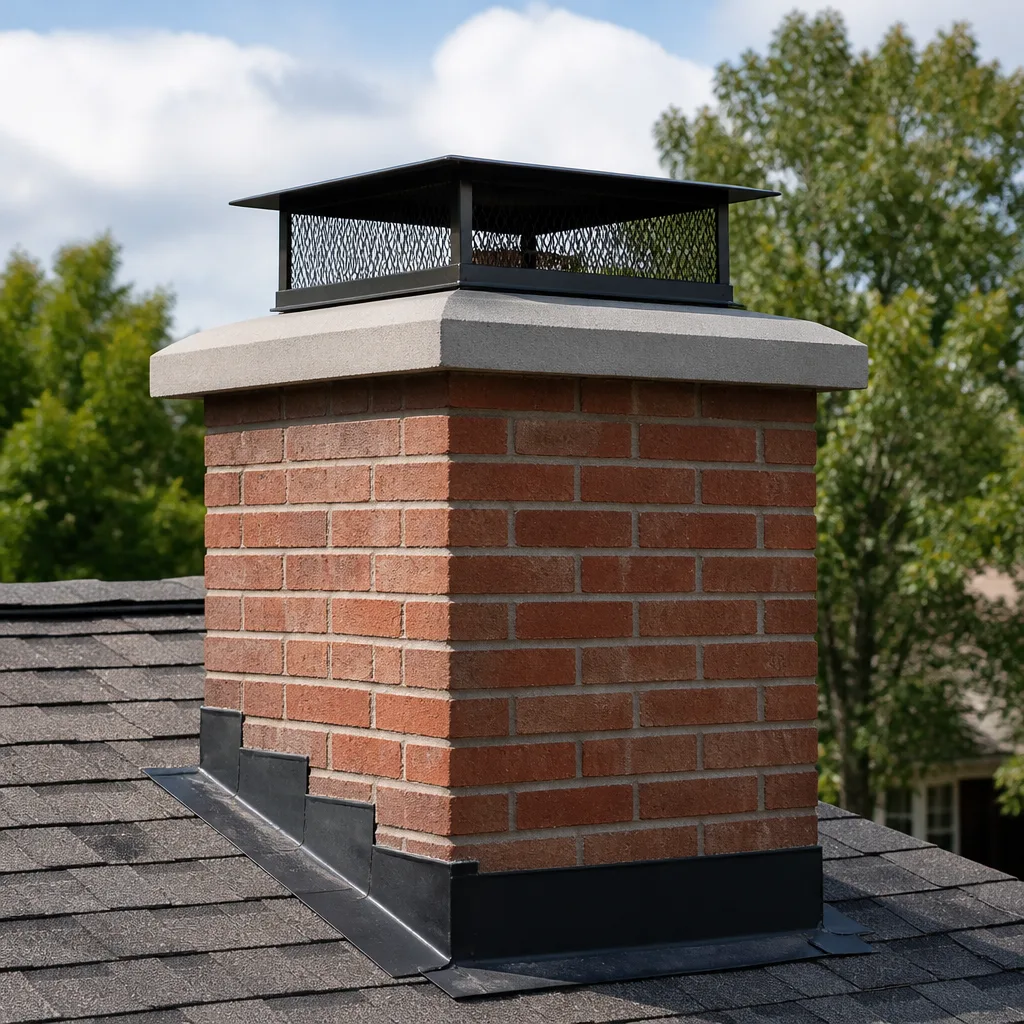
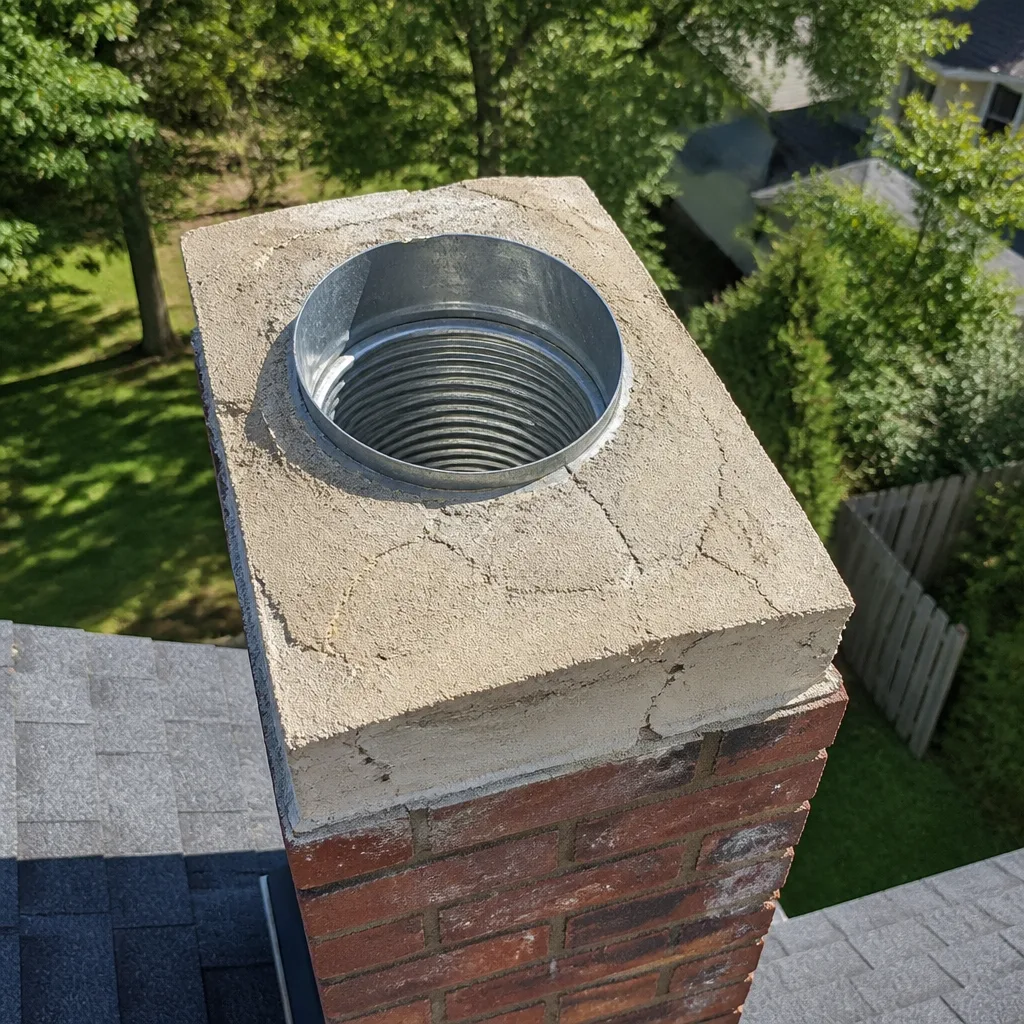
- The chimney crown. The concrete or masonry cap at the very top, above the brick. Look for cracks, a broken corner or a crown that’s pulling away from the flue. A failed crown is the most common entry point for water.
- The chimney cap. The metal or mesh cover over the flue opening. Is it intact and properly attached? A damaged or missing cap lets rain, birds, leaves and debris fall straight down the flue.
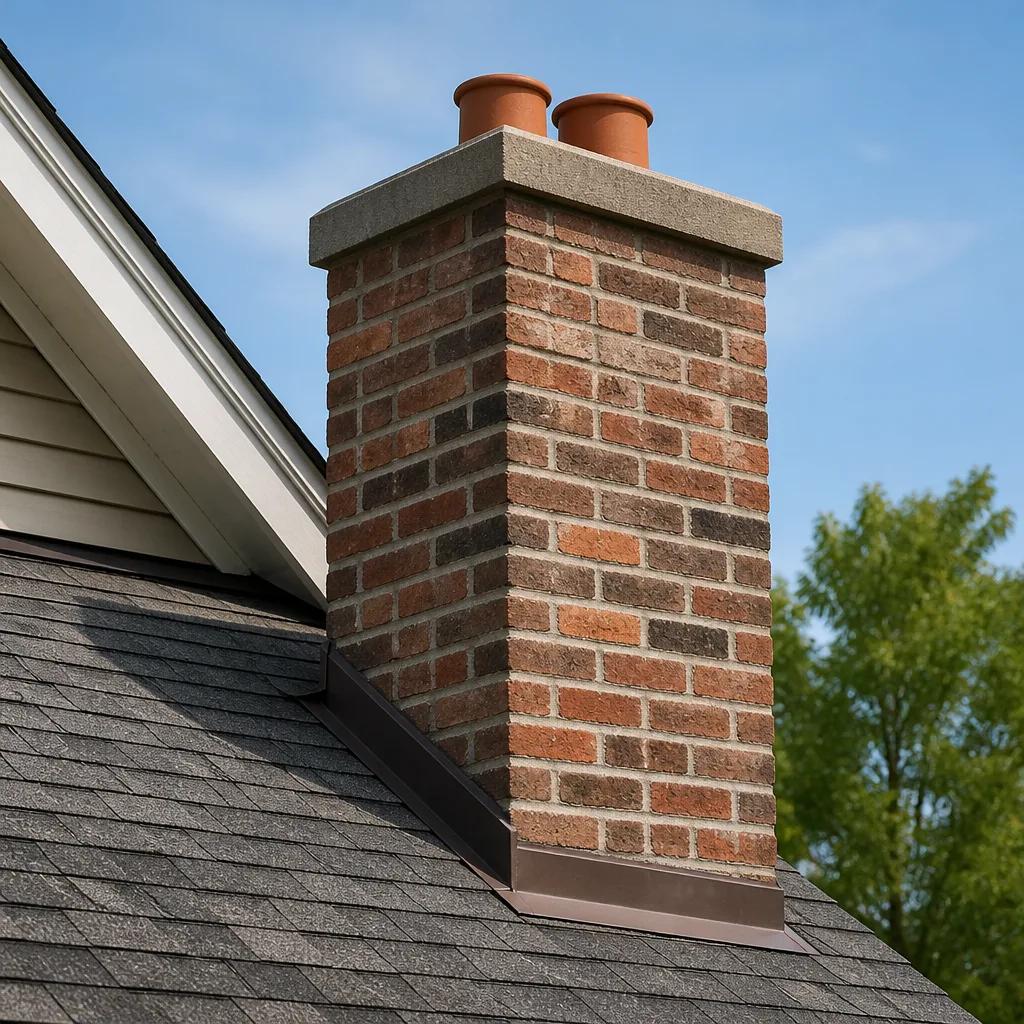
- The brickwork and mortar joints. Look for white chalky staining, powdery brick faces, or mortar that’s fallen out. Loose or missing mortar is visible from the ground even at a distance.
- Rust stains. Any rust streaks on the metal cap, flashing where the chimney meets the roof, or the damper hardware inside.
- Green staining or moss. Green growth high up on the chimney is a strong sign of water held in the masonry.
- Tilt or lean. Compare the chimney to the roof ridge line. A chimney that’s leaning has a serious structural story behind it.
Two or more exterior signs together are a strong indicator that the chimney is dealing with moisture, not just creosote. In our experience in North Charleston, the crown and cap are where the story usually starts. Fix those and the interior damage that follows often stops. Leave them and the same problem returns every rainy season.
How North Charleston’s Humidity Shows on Your Chimney
North Charleston’s warm, humid, rain-heavy weather is tough on masonry. A chimney is porous; brick and mortar absorb water and release it slowly through the warm months. When the system is sealed properly and the crown is intact, that cycle is harmless. When water gets in and can’t get out, it shows up in recognisable ways.
- Efflorescence. That white, chalky powder on the outside of the brick is dissolved mineral salts that were carried to the surface by water and left behind when it evaporated. Efflorescence by itself means the brick is wet. If it recurs after you brush it off, the water source is still active.
- Spalling. When brick is wet and then freezes or simply absorbs too much moisture, the face can pop off and flake away. Spalled brick is more than cosmetic; it’s weakened masonry, and it needs a repair assessment.
- Rust streaks. Rust on the cap, flashing or damper hardware tracks water exposure. Rust on a damper is often the first sign a homeowner notices, and it usually pairs with a brown stain near the firebox floor.
- A musty, wet smell on humid days. If the firebox smells of damp soot even when the chimney is dry to the touch, moisture is sitting somewhere in the system.
The key trait of humid-climate chimney problems is that they return. A sweep clears the symptom but doesn’t stop the cause. If you see efflorescence one spring, spalling the next and a rusty damper after that, you’re watching a moisture problem escalate, not three separate issues. That progression is why we treat the chimney as a system, finding the entry point rather than chasing each sign one at a time. A proper inspection reaches the crown, cap, flashings, flue liner and firebox in one visit, so the source gets identified.
Backdraft From Draft Physics vs. Backdraft From Blockage
Smoke rolling into the room is one of the most common chimney complaints, and it has two very different causes that look almost the same. Getting the distinction right matters because one is a basic physics situation and the other needs a technician.
Draft physics backdraft happens when the air pressure inside the house or the temperature outside the flue works against the chimney. Smoke needs warm air inside the flue to rise. On a cold start, or in a house that’s tightly sealed and running exhaust fans, the pressure in the room can overcome the weak upward pull in the flue, so smoke backs out instead of going up. You’ll typically see this at the very start of a fire, on mild or windy days, or after the house has been shut tight for hours. Open a nearby window before lighting, and the draft often establishes itself. This is annoying but not dangerous, and it’s not a sign the flue is blocked.
Blockage backdraft happens when something physical stops the smoke from rising. Common culprits are heavy creosote deposits, a bird or squirrel nest in the flue, a collapsed or dislodged flue tile, or debris fallen in through a missing cap. The distinguishing sign is that the smoke issue persists even after the fire has warmed up, or that the fire burns sluggishly no matter how well the wood is arranged. If the room fills with smoke every time you light a fire regardless of weather, assume a blockage and stop burning until it’s checked.
Here are the practical questions to ask yourself:
- Does the backdraft happen only at the start of a fire? Likely draft physics.
- Does it happen even after the fire has been burning steadily for twenty minutes? Likely blockage.
- Is there a smoky smell in the room on days when no fire is lit? Likely a blockage or a pressure issue.
- Does opening a window fix it? Points to draft physics, though a partially blocked flue can also improve with a window cracked.
When in doubt, get the flue inspected with a camera. Guessing at this one is not worth the risk, and a chimney professional can see the difference in minutes.
Interior Signs Homeowners Miss
The signs inside the house are easy to overlook because they build up slowly. A faint smoky odor becomes the normal smell of the room. A damper that sticks now and then becomes a habit of working it just right. We’re used to adjusting to small changes without noticing them. Here are the ones that deserve a second look.
- A smoky smell when no fire is burning. If the room smells of soot or ash on warm or damp days, the flue is likely holding deposits, or there’s a pressure issue pushing air back down the chimney.
- A damper that’s stiff, sticks or won’t close fully. Dampers corrode and warp with heat and moisture. A stuck-open damper wastes heat and lets rain and cold air down the flue. A stuck-closed damper is a carbon monoxide hazard if you light a fire.
- Soot falling into the firebox. A fine rain of black flakes after a fire usually means a loose or damaged flue lining.
- Brown stains on the chimney breast or ceiling near the chimney. A water stain inside the house, above or behind the fireplace, usually tracks back to a leak higher up.
- Heat on the wall around the fireplace during a fire. A wall that’s hot to the touch when the fire is burning is a red flag for a damaged firebox or a gapped flue. Stop burning and get it looked at.
- Burning eyes or headaches when a fire is lit. Smoke with nowhere else to go is entering the room. Treat this as a ventilation problem and get the chimney inspected before lighting another fire.
The pattern worth watching for is any interior sign paired with any exterior sign. That combination points to moisture moving through the system. Conversely, a single interior sign like a stiff damper, with the exterior chimney intact, is usually a component replacement rather than a system repair.
What a Professional Inspection Actually Checks
An inspection is not a sweep with a flashlight attached. The two are different jobs. A sweep removes deposits; an inspection examines the condition of every component and documents what it finds. Understanding which you’re booking helps you get to the right answer faster.
There are three recognised levels of chimney inspection, and the right one depends on what you’re trying to solve:
- Level 1: A basic check of the accessible parts of the chimney: firebox, damper, smoke chamber, flue and cap, without special tools. Standard for an annual check when nothing has changed and no problems are suspected. Fits a routine sweep visit.
- Level 2: Adds a camera inspection of the flue, and covers all the same components plus the chimney exterior, attic and crawl space access. Required when a change has occurred: a new appliance, a new home purchase, a change of fuel type, an earthquake or storm, or any warning sign that suggests a hidden problem.
- Level 3: The most involved, typically involving opening a wall or removing part of the chimney to reach a concealed problem. Level 2 always comes first.
What gets checked in a solid Level 2 inspection: the firebox walls and floor for cracking, the damper operation, the smoke chamber for deposits and shape, the flue for gaps and creosote stage, the crown and cap for water entry, the mortar joints for deterioration, the flashings where the chimney meets the roof, and the condition of any liner.
At Denali Chimney Sweep we cover all three service phases under one company: Denali Chimney Sweep work, chimney repair using professional-grade materials, and inspection. When the inspection points to a repair, we recommend based on what we can see and show you the reasoning. Materials come from established chimney supply lines such as Olympia Chimney, Famco and Copperfield, and installed products include DuraFlex flexible liners and HeatShield flue resurfacing. There’s no need to coordinate a second contractor for the fix.
Common Mistakes to Avoid
- Treating symptoms one at a time. Booking a sweep for a smoky firebox without also flagging exterior staining or a rusty damper means the real problem goes unaddressed and comes back next season. Read your symptoms together.
- Assuming a sweep fixes everything. A sweep clears deposits. If the actual issue is water intrusion, a cracked firebox, a failed crown or a gapped flue, a sweep won’t touch it. Ask what the technician is going to check, not just what they’re going to clean.
- Burning wet or unseasoned firewood in a humid climate. Damp wood produces more creosote, and in North Charleston’s climate, wood stored outside needs to be genuinely dry before it goes into the firebox. Unseasoned wood is one of the leading accelerants of Stage 2 buildup.
- Ignoring efflorescence because it brushes off easily. White staining comes back if the water source behind it stays active. Brushing it off doesn’t fix anything; finding the moisture entry does.
- Using a general handyman for a chimney problem. Chimney work is specific. A generalist who sweeps once and leaves won’t have the camera, the tools or the materials for the repair when the diagnosis calls for relining or resurfacing.
- Assuming gas fireplaces are maintenance-free. Gas inserts and gas log sets still have a flue, a damper and a liner, all of which need periodic inspection. The fire may be clean but the system still needs checking.
- Skipping the inspection because the sweep went fine. A clean flue can still have a failing crown, a gapped liner or a stuck damper. Cleaning and inspecting aren’t the same service.
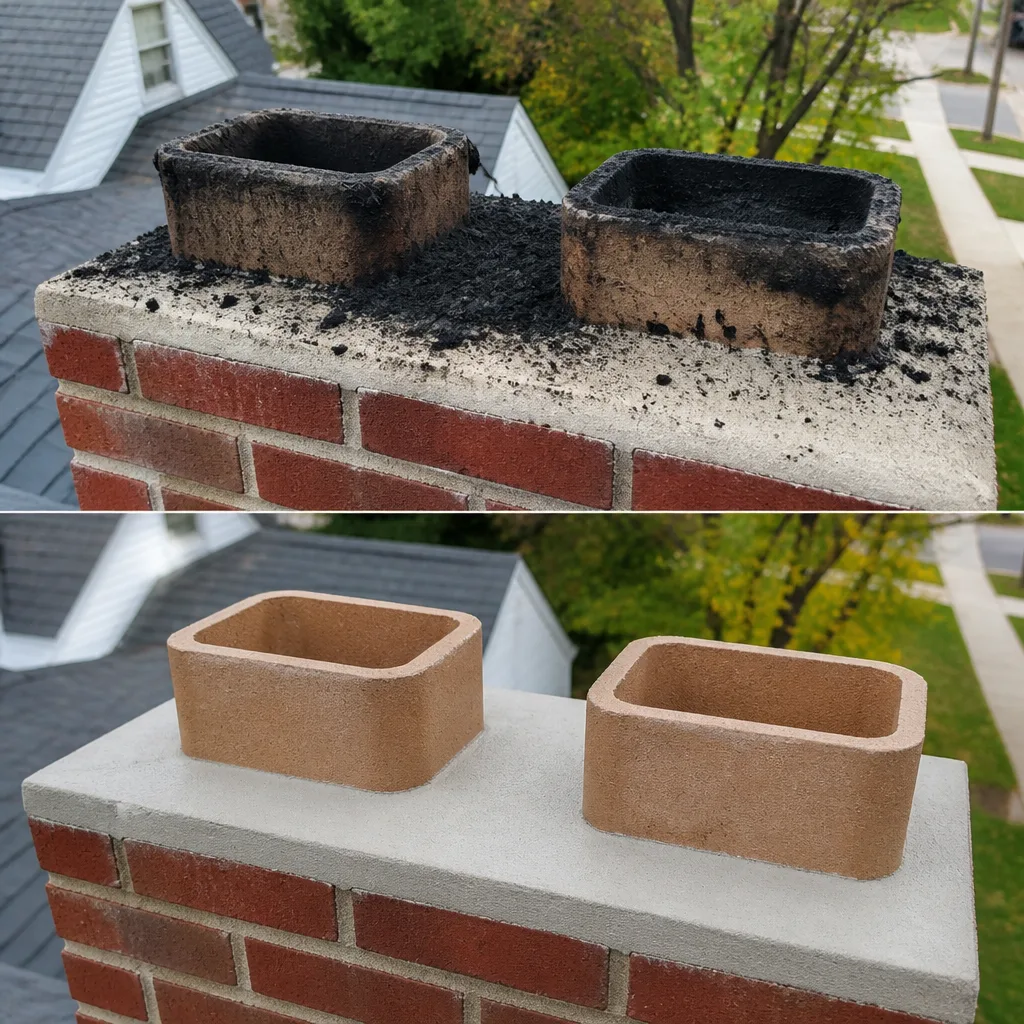
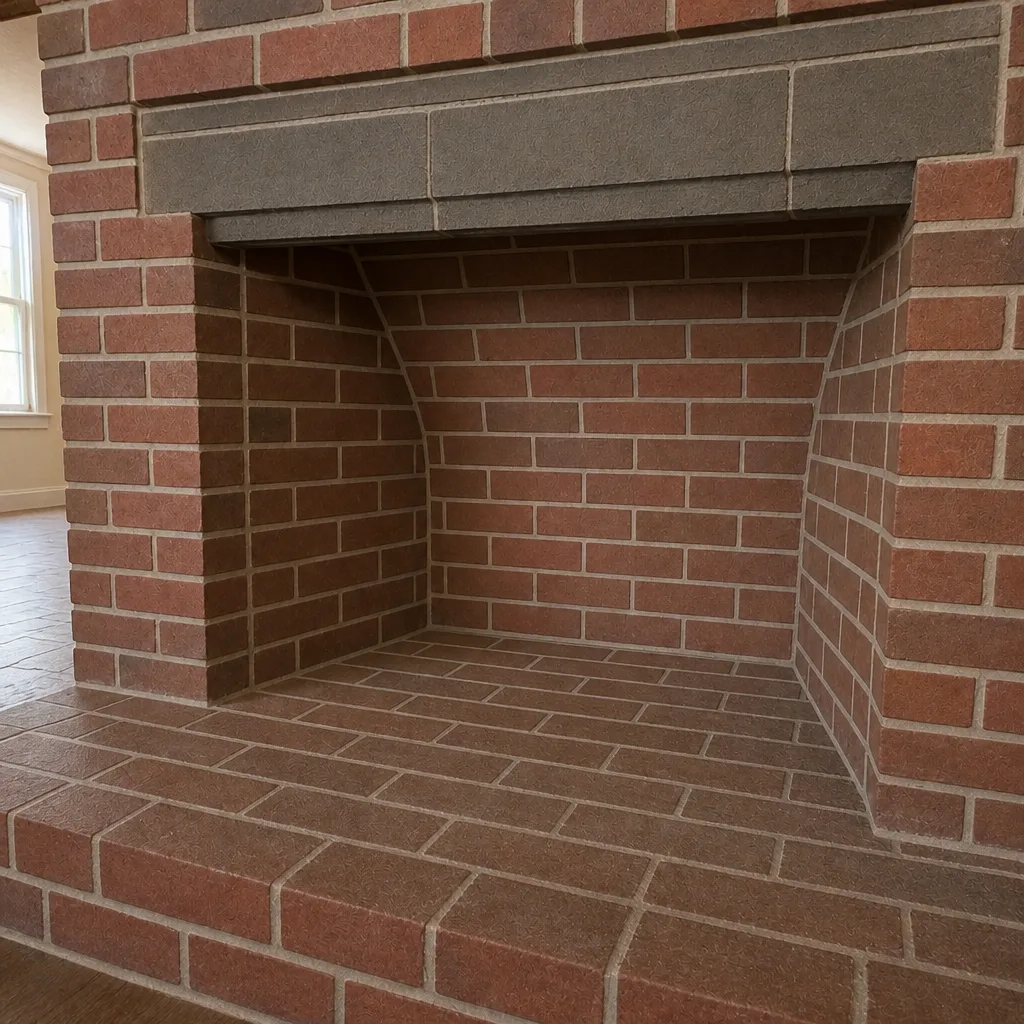
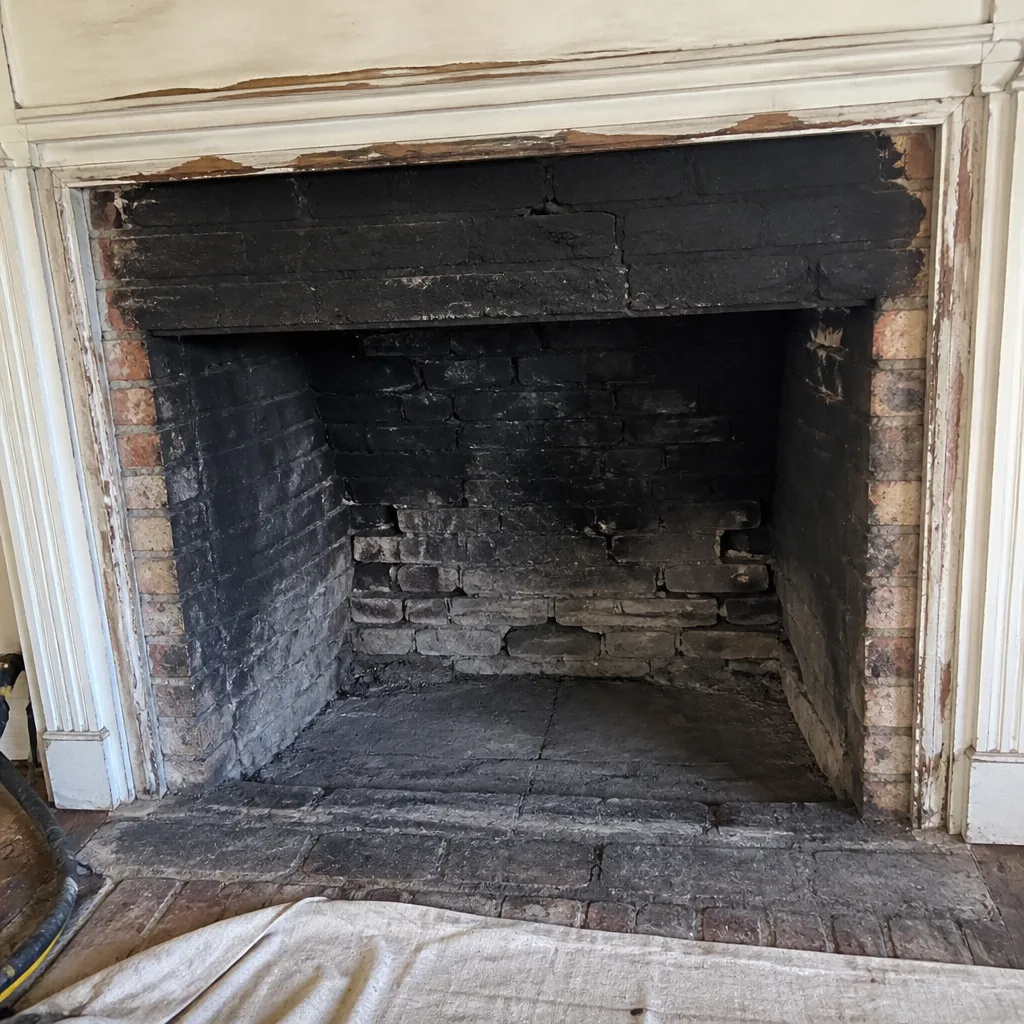
See the difference
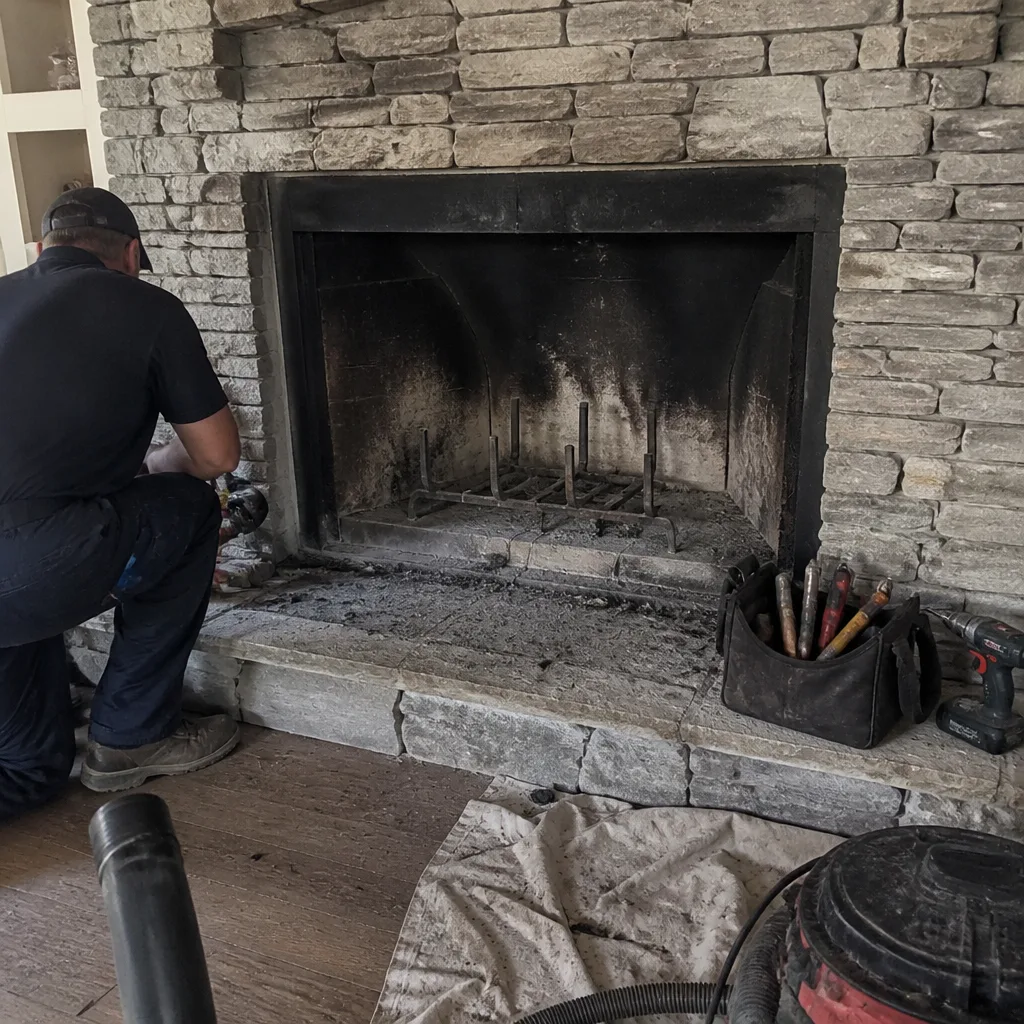 Before
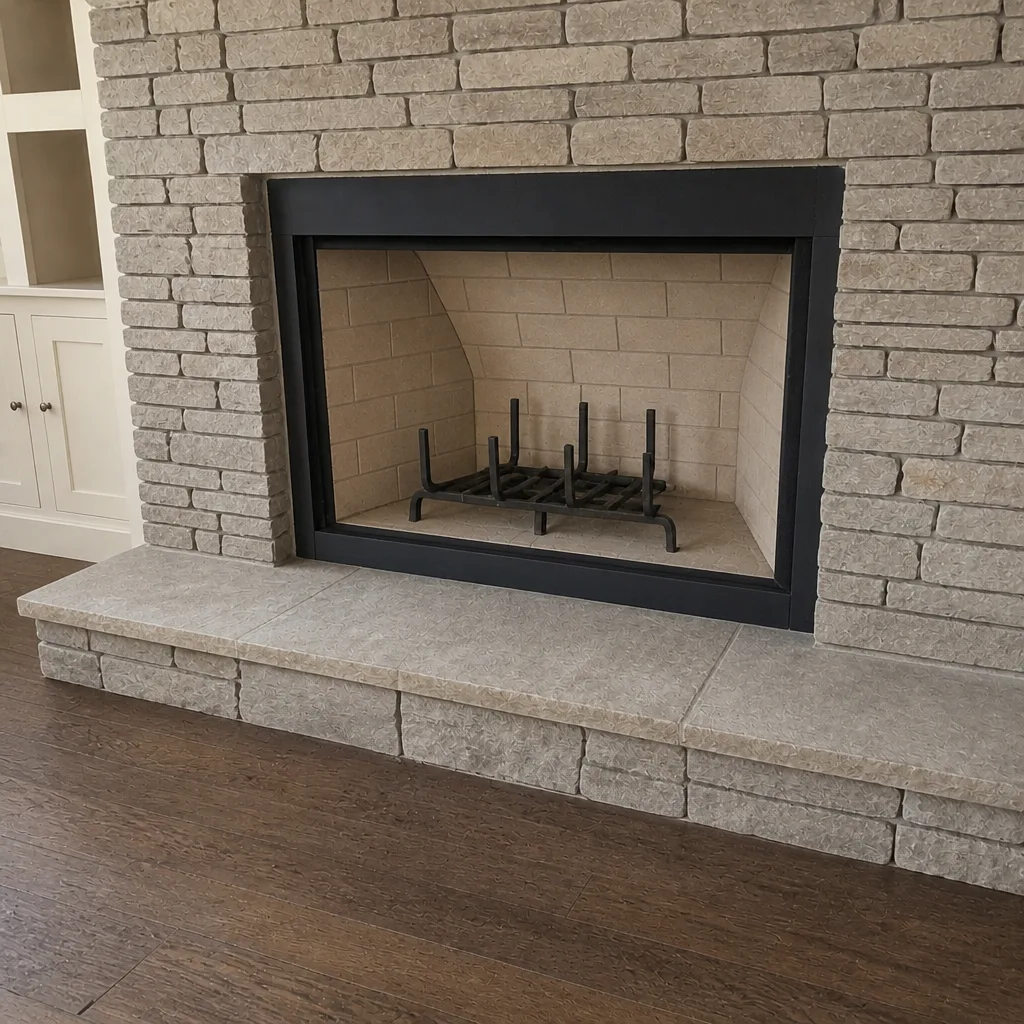 After
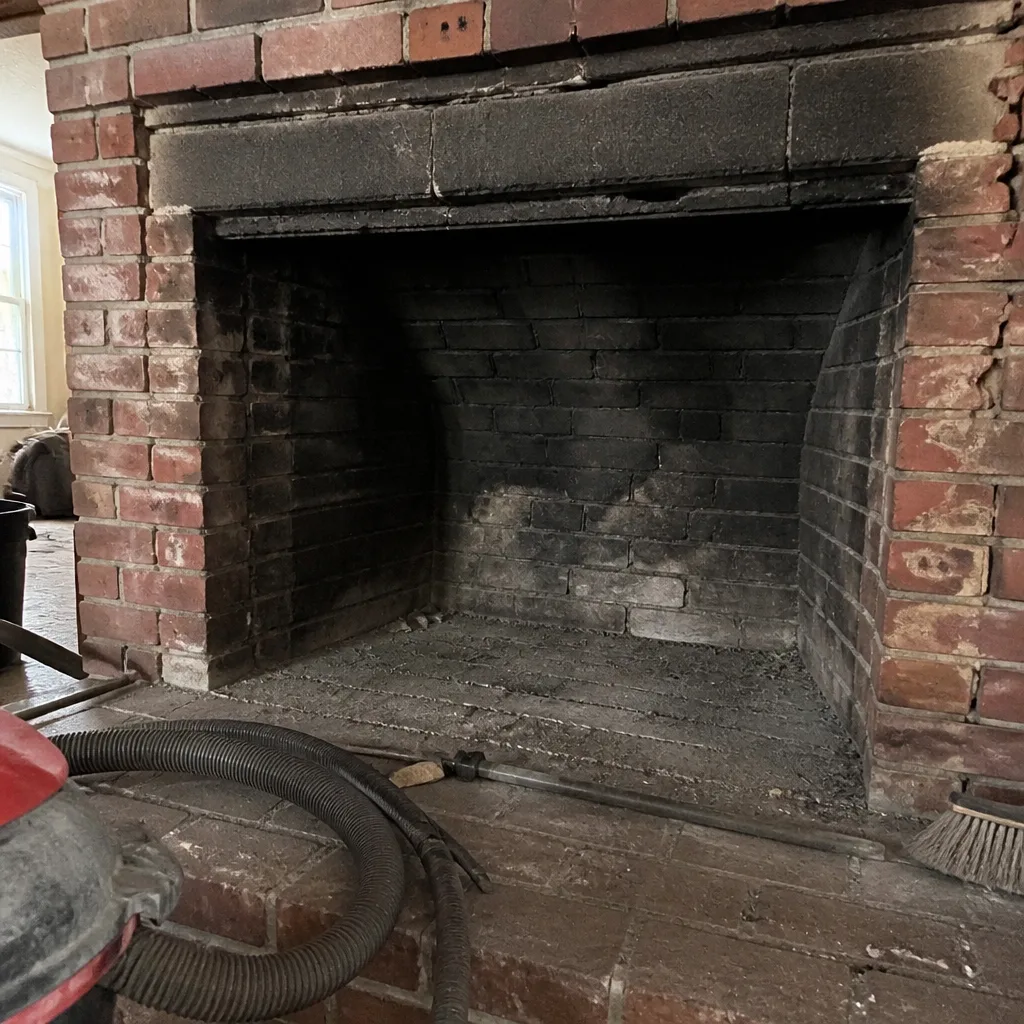 Before
 After
 Before
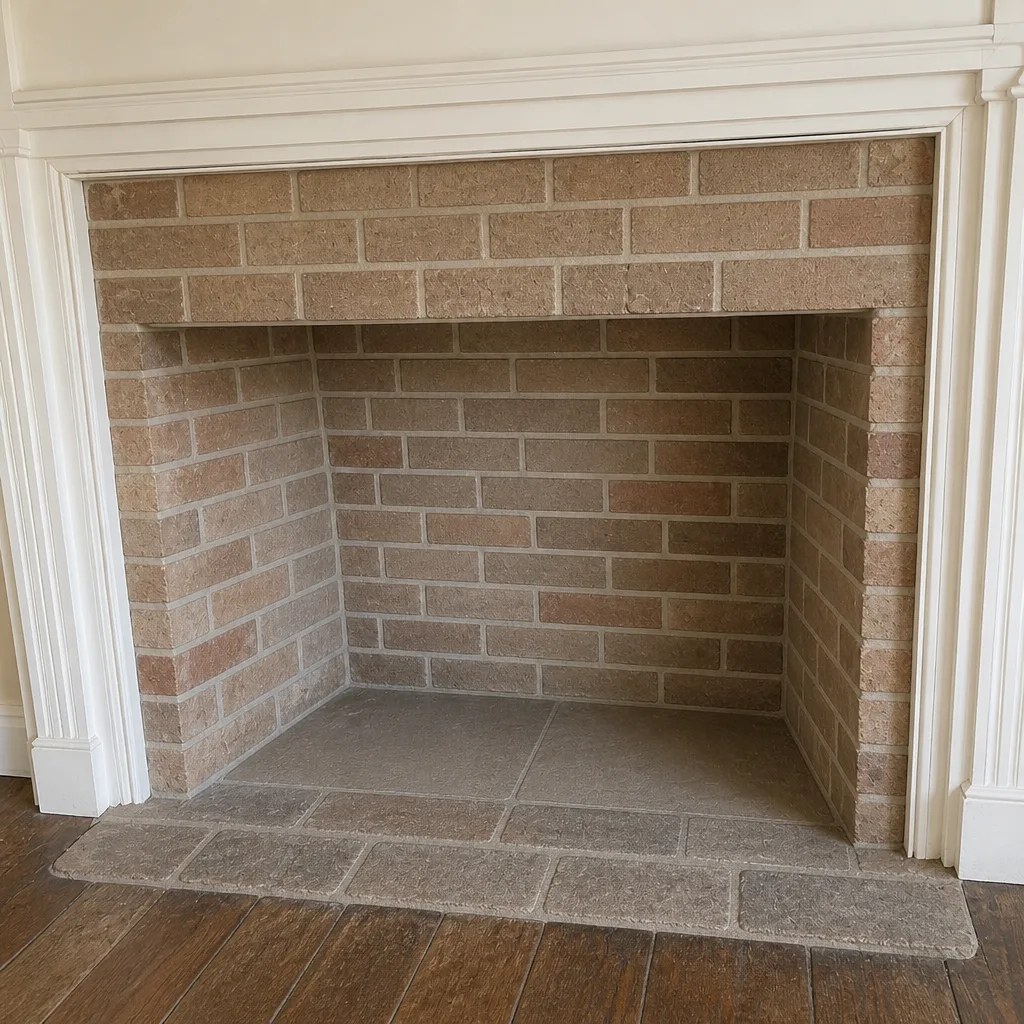 After
When to Call a Professional
Call a chimney professional when you see any of the following, in North Charleston or anywhere else: smoke that keeps rolling into the room after the fire has warmed up, glazed creosote in the flue, a rusty damper paired with brown stains near the hearth, crumbling mortar joints on the exterior, white staining that keeps coming back after you brush it off, heat on the wall around the fireplace, a chimney that leans, or a strong smoky smell even when no fire is burning. Two or more of these together deserves a real inspection sooner, not later. Our technicians have up to 14 years of experience reading chimney systems and spotting patterns that don’t look alarming one at a time but do together.
Denali Chimney Sweep offers free estimates in North Charleston – call (855) 723-7039. We answer 24/7. Fast dispatch from 7am to 7pm, Sunday through Friday.
Frequently Asked Questions
At least once per year if you burn wood, and more often if you burn heavily or use damp firewood. In a humid climate like North Charleston’s, annual inspections catch moisture issues before they become structural. If you burn less than a face cord per year, an annual inspection still makes sense; a sweep may be needed only every couple of years. Call (855) 723-7039 for an exact recommendation for your specific chimney; estimates are free.
Yes, it matters a great deal. Stage 1 creosote is light soot that responds to a standard sweep, Stage 2 is a crusty deposit that needs more time and rotary tools, and Stage 3 is glazed, tar-like, and highly combustible, requiring treatment beyond a basic brush. Identifying the stage tells the technician what the job actually involves. If you see shiny, glassy deposits in your flue, treat it as urgent. Call (855) 723-7039 to book an inspection; estimates are free.
Read your symptoms in combination. A smoky firebox with dark deposits and poor draft, and an intact-looking chimney exterior, usually points to creosote and is a cleaning job. White exterior staining paired with a rusty damper and damp smell inside usually points to water intrusion and possible structural repair. When you see two or more symptoms together, book an inspection rather than a basic sweep. Call (855) 723-7039 to talk it through; estimates are free.
Because the deposits in the flue are releasing odour more readily when the air is warm and humid. Cooler air in the chimney moves less smoke, and the pressure balance in the house changes with the season. A smoky smell when no fire has been lit is a signal the flue is holding deposits worth cleaning and, if the smell returns quickly after a sweep, worth inspecting for moisture. Call (855) 723-7039 and we’ll arrange an inspection; estimates are free.
Gas fireplaces still have a flue, a damper and a liner, and all of those components need periodic inspection. Gas units don’t produce creosote the way wood does, but they can accumulate moisture or debris in the flue, and a blocked flue on a gas appliance carries a carbon monoxide risk. Gas inserts installed in older masonry chimneys in North Charleston often need a liner check even when the fire itself is clean. Call (855) 723-7039 to book an inspection; estimates are free.
Sometimes nothing, and the sign clears. More often, small issues compound. A missed crown crack lets in water, which swells the masonry, which pinches the flue, which eventually needs relining. A missed creosote buildup is a fire hazard. We don’t recommend ignoring a warning sign because the cost of fixing an early problem is usually far below the cost of repairing the damage it leaves behind. Call (855) 723-7039 for an inspection now rather than a repair later; estimates are free.
The Bottom Line
Chimney warning signs rarely arrive alone. The useful skill for a North Charleston homeowner is recognising when two or three signals show up together, because that combination tells you whether the problem is a routine sweep or a structural repair. Creosote stage tells you what the cleaning job will involve and how urgent it is. Exterior signs like white staining, spalling brick and rust streaks point to moisture, and in this humid climate moisture is behind a large share of chimney damage. Interior signs like a stuck damper or smoke that keeps rolling into the room round out the picture. When in doubt, book an inspection: professionals see the pattern faster than a visual guess, and the cost of finding out early is far lower than the cost of discovering late. We answer 24/7. Fast dispatch from 7am to 7pm, Sunday through Friday.
Ready to have a specialist look at what your chimney is telling you? Call Denali Chimney Sweep at (855) 723-7039 for a free estimate. Whether it turns out to be a simple sweep, a thorough inspection, or a repair that needs professional-grade materials like a DuraFlex liner or HeatShield resurfacing, one call covers the whole assessment. We answer 24/7. Fast dispatch from 7am to 7pm, Sunday through Friday.
Written by the team at Denali Chimney Sweep.