
Last updated November 15, 2026
 Sweep & inspection
 Caps & crowns
 Flue relining
 Masonry repair
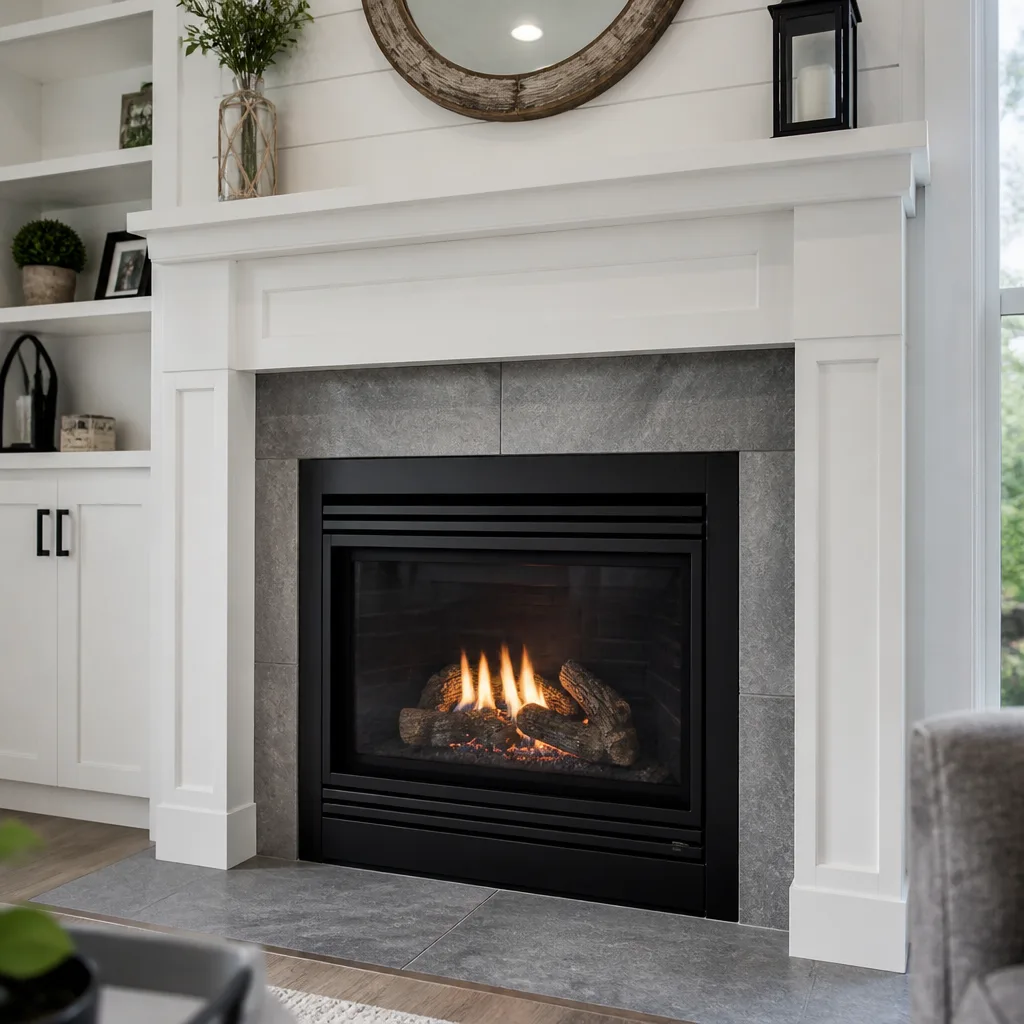 Gas fireplace service
Level 1 sweep and inspection to the NFPA 211 annual standard - flue, crown, cap, and flashing checked and photographed
Chimney sweep logs do not sweep chimneys. They loosen some creosote - which then falls where a brush and vacuum still have to collect it.
Chimney Sweep Troubleshooting in North Charleston: Common Problems and How to Fix Them
If smoke is backing into your living room after a professional cleaning, the sweep didn’t fail. The diagnosis did. A brush removes creosote, and creosote is only one of maybe a dozen things that can make a chimney misbehave, so a chimney that was cleaned but never actually evaluated will keep doing exactly what it was doing before. We see this constantly in North Charleston, where a mix of newer tight-built homes and older masonry chimneys produces problems that look identical to a dirty flue and aren’t. This guide teaches you to read the warning signs the way a technician does: sounds, smells, stains, and where the smoke goes when you light a fire. By the end you’ll know which issues you can monitor, which need the flue shut down, and which ones a sweep can never solve.
Quick Answer
Most chimney problems in North Charleston fall into three buckets: blockages and creosote (fixed by cleaning), draft failure from negative air pressure in tightly built homes (fixed by diagnosing the system, not by sweeping again), and structural failures like cracked liners or water-damaged masonry (fixed by repair). A chimney that smokes after a cleaning is almost always in the second or third bucket. The only reliable way to sort them is a camera inspection of the flue, not another brush.
Styles & brands we work with
- Sweep & inspection
- Caps & crowns
- Flue relining
- Masonry repair
- Gas fireplace service
Table of Contents
- Why is smoke coming into the house after a cleaning?
- Draft problems vs. blockages: how to tell them apart
- What white staining on brick actually means
- Sounds and smells that separate a cracked liner from a dirty one
- Why gas inserts in converted wood chimneys fail differently
- The decision tree: what to monitor and what to shut down
- Common mistakes to avoid
- When to call a professional
Why is smoke coming into the house after a cleaning?
Smoke backing into a room after a cleaning almost always means the chimney is failing to establish draft, and draft has nothing to do with how clean the flue is. A clean flue with the wrong pressure balance in the house will smoke exactly as much as a dirty one. The fire needs to pull air up and out; if the house is pushing air down and in, the smoke follows the path of least resistance, which is your living room. In North Charleston’s newer construction, where homes are sealed tight with modern windows and spray foam, this is one of the most common calls we get.
The sequence that matters is diagnosis first. When we’re called to a smoking chimney, the first thing we establish is whether the flue is open, whether the cap and screen are clear, and whether the house itself is depressurized. That last one is the piece most sweep-only visits skip entirely. Here’s how the two causes compare:
- Blockage or heavy creosote: the flue is physically narrower or obstructed. Symptoms tend to be gradual, worse over months, and often accompanied by a smoky smell even when no fire is lit.
- Negative air pressure: the flue is clear but the house is drawing air downward. Symptoms are sudden and situational: smoke appears when the kitchen exhaust fan runs, when the dryer is on, when the furnace kicks on, or on certain windy days.
- Combination: a partially restricted flue plus a tight house. Both need attention, and fixing one alone won’t stop the smoking.
If your smoke appears only when another appliance runs, you’re dealing with pressure, not soot. If it appears every single time you light a fire regardless of what else is running, start with a camera inspection. A proper chimney sweep should end with an assessment of the whole system, not just a receipt for a brushing.
Draft problems vs. blockages: how to tell them apart
Draft problems are a house issue wearing a chimney costume. Blockages are a chimney issue. Telling them apart takes about ten minutes of observation, and it saves homeowners from paying for repeat cleanings that can’t possibly help.
Run these checks in order before you call anyone:
- Light a small test fire with the house quiet. No fans, no dryer, no HVAC running. If it draws well under those conditions, your chimney isn’t blocked. The house pressure is the suspect.
- Turn on the kitchen exhaust fan and watch. If the smoke reverses or the fire gets lazy, you’ve confirmed negative pressure. The fix lives in your home’s air balance, not in your flue.
- Open a nearby window a crack and re-test. If the fire picks up immediately, pressure is the cause. This is a diagnostic test only, not a solution, and it’s not something to run permanently.
- Check the cap and spark screen from outside with binoculars. A clogged screen or a nest in the cap is the most common genuine blockage, and it’s visible from the ground.
- Note the weather. Chimneys in North Charleston can struggle on still, humid days even when everything is working correctly. Cold, dense air drafts better than warm, heavy air.
If tests one through three point to pressure, you need a technician to evaluate the whole system: flue sizing, cap design, and the house’s air supply. If test four or five is positive, you need a cleaning and a camera inspection. In our experience, more than half the “smoking chimney” calls in North Charleston resolve to pressure or flue sizing rather than soot.
What white staining on brick actually means
White staining on a brick chimney is called efflorescence, and it is not cosmetic. Efflorescence is the visible salt residue left behind when water moves through masonry and evaporates at the surface. If it’s on your chimney’s exterior, water is actively traveling through the brick or mortar, and the white bloom is the residue left behind. Treating it as a cleaning problem is a common and expensive mistake.
In North Charleston, heavy seasonal rains and high humidity give water plenty of opportunity to find a crack in the crown, a failed mortar joint, or a missing cap. The visible stain is the last link in a chain of events that started with a leak. What’s happening behind it:
- The crown at the top of the chimney cracks with age and thermal cycling, letting water in at the highest point.
- Water travels down through the masonry, dissolving salts along the way.
- Mortar joints soften and erode from repeated freeze-thaw and wet-dry cycles.
- The flue liner’s outer masonry shell weakens, and the whole structure loosens.
- Efflorescence appears on the exterior as the water finally evaporates out.
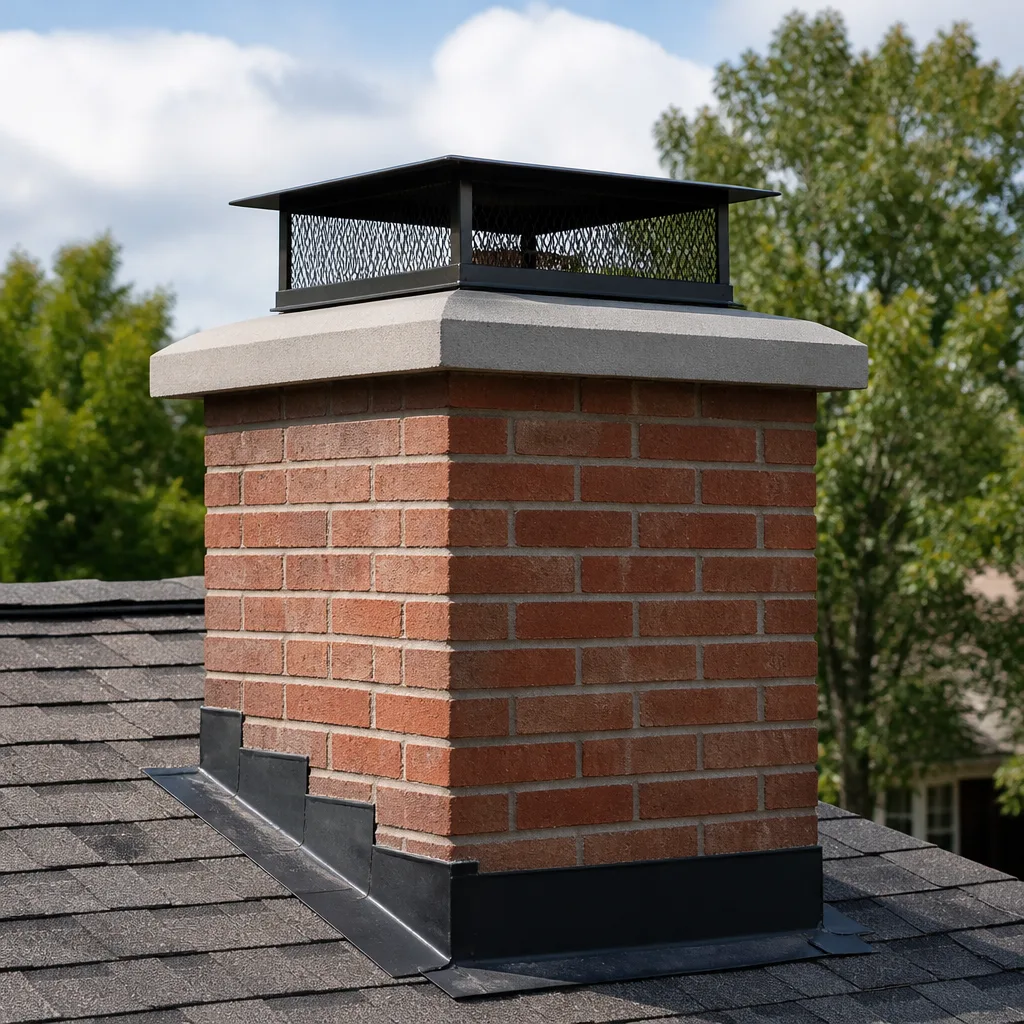
If you’re seeing white bloom after every heavy rain and it keeps coming back after you clean it off, you have active water infiltration. A chimney repair assessment starts with the crown, the flashing, and the cap. We install Gelco caps because a properly fitted cap is the first line of defense against the water that starts this whole cycle, and we resurface flues with HeatShield when the interior damage has already begun.
Sounds and smells that separate a cracked liner from a dirty one
A compromised flue liner sounds different from a dirty one, and the distinction matters because one is a cleaning job and the other is a safety shutdown. Most homeowners don’t know the difference because nobody ever described it to them. Here’s what to listen for.
A dirty flue tends to be quiet. If there’s any sound at all, it’s a dull, muffled quality to the draft. Creosote doesn’t rattle, tick, or hiss. You’ll notice a dirty flue through smell – a sharp, acrid, campfire-in-the-attic odor that lingers in the room long after the fire is out, especially on humid days when the smell seems to come down the chimney on its own. That smell usually means a buildup of creosote near the top of the flue that a sweeping will clear.
A cracked or compromised liner gives you different signals:
- Hollow ticking or a faint rattle during a hot fire can indicate loose mortar or spalling tile inside the flue. Firebox heat makes hairline cracks in a clay liner open and close, which is why the sound is intermittent rather than steady.
- A metallic ping or tick from a stainless liner often points to a loose connection or a flue component that’s shifting with heat, which needs to be inspected before it becomes a failure.
- A sulfur or burning-plastic smell is not a creosote smell. In a gas appliance, it usually points to a venting problem, and in a wood appliance with a liner breach, it can point to combustion gases escaping into the structure.
- A rushing or roaring sound that wasn’t there before can mean the flue is pulling through an unintended opening, which is a draft issue that will keep getting worse.
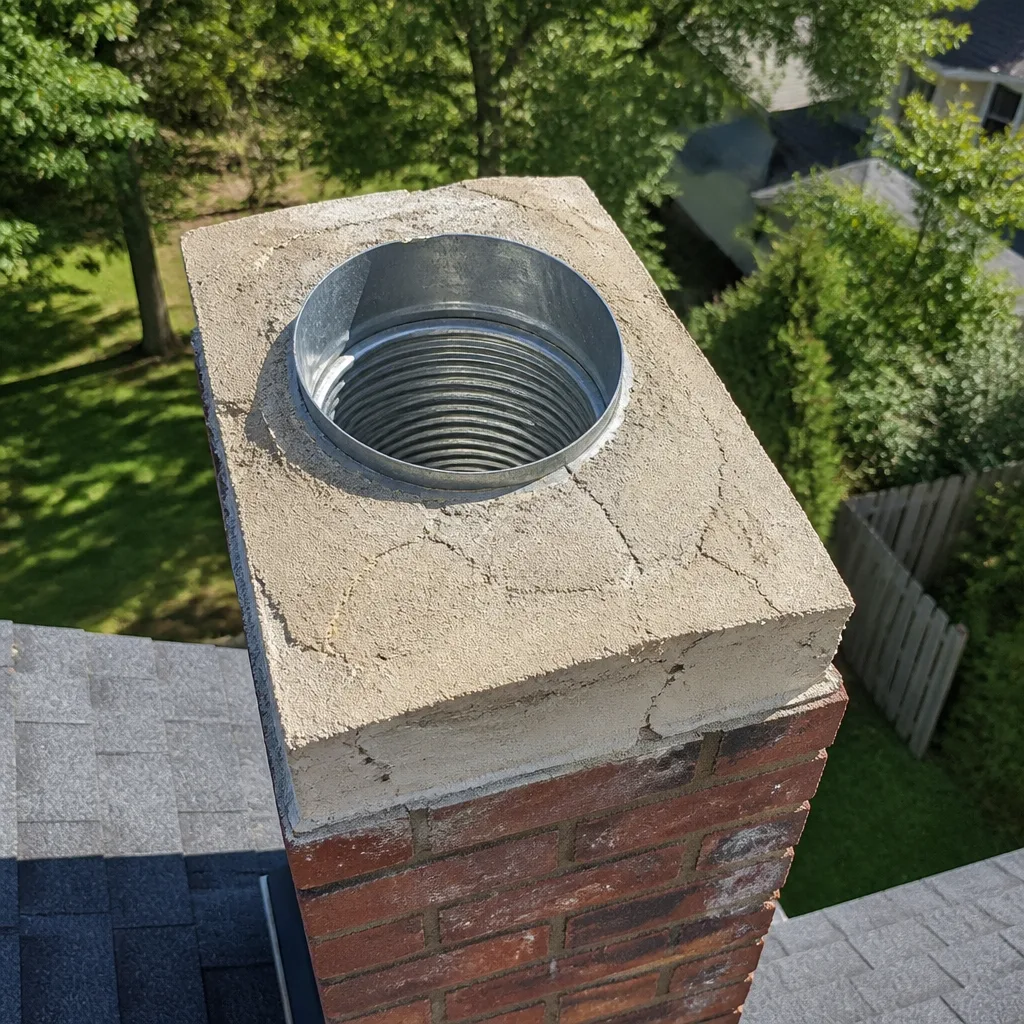
Any crack in a flue liner lets carbon monoxide and combustion gases into the walls of the house rather than up and out. That’s a hard line. If you hear ticking or rattle sounds and you have a compromised liner, the flue should be shut down until a proper camera inspection confirms what’s happening. We reline with DuraFlex flexible liner systems when the inspection shows a breach, and we don’t reline a flue that only needs a sweep.
Why gas inserts in converted wood chimneys fail differently
A gas insert installed in a chimney built for wood is a conversion, and conversions fail in ways that standard troubleshooting guides routinely miss. The failure mode is specific: gas appliances produce moisture and lower flue temperatures than wood fires, and a flue built for hot wood combustion doesn’t handle that well.
The classic sequence looks like this. A homeowner in North Charleston converts a wood-burning fireplace to a gas insert. The old flue was sized and lined for wood. The gas appliance fires at lower temperatures, which means the flue gases stay cooler, and the moisture in those gases condenses on the flue walls rather than rising out the top. That moisture combines with sulfur compounds and produces acids that eat into a clay liner or mortar over time. Standard troubleshooting says “check the flue for soot and clean it.” That check passes because there’s no soot. Meanwhile the liner is quietly degrading from the inside for a completely different reason.
What to watch for with a converted gas insert:
- White or chalky residue inside the firebox or flue. That’s not ash. It’s corrosion product, and it means moisture has been condensing in the flue.
- Faint exhaust smell in the room after the burner runs. A properly vented gas insert shouldn’t leave an odor. If it does, the venting is failing somewhere.
- Flue deterioration visible only from the inside. A traditional sweep looks for creosote; a gas insert needs a camera inspection for liner corrosion. These are different inspections.
- A fireplace that worked fine as wood and suddenly smells off as gas. The appliance changed; the flue didn’t. That mismatch is the whole problem.
We size DuraFlex liner systems to the appliance and the flue in gas conversions because a standard reline for wood won’t necessarily solve a moisture problem. And because we’re a chimney specialist, the whole system gets evaluated in one visit.
The decision tree: what to monitor and what to shut down
Not every symptom is an emergency, and treating them all as one leads homeowners to either panic or ignore real warning signs. Use this decision tree as a guide for when to watch and when to act.
Monitor safely (but schedule an inspection):
- Light efflorescence that returns after cleaning but no structural cracking or leaning.
- A smoky smell on humid days with no visible smoke in the room.
- A faint draft weakness in very still weather.
- Occasional creosote smell that clears with a fire.
Schedule prompt service (don’t put it off beyond the next few weeks):
- Smoke backing into the room reliably during a fire.
- Significant creosote buildup visible at the top of the firebox.
- Efflorescence that comes back within a week of the last heavy rain, with visible mortar erosion.
- A gas insert that leaves any exhaust odor in the room after shutoff.
- Any chimney with a clay liner that’s more than a few decades old and has never been camera-inspected.
Shut the flue down now and call immediately:
- Any suspicion of a cracked or breached flue liner, especially with ticking or rattle sounds.
- Visible cracking, spalling, or leaning in the exterior masonry.
- Carbon monoxide alarms sounding in the home.
- Combustion smell inside the house that doesn’t clear with ventilation.
- Any chimney fire, even a small one that went out on its own.
When in doubt, err on the side of shutting the flue down. Nothing about a chimney is worth risking a carbon monoxide event. Our technicians have up to 14 years of experience, and every one of them will tell you the same thing: a shut-down flue costs nothing to wait on, and an ignored one can cost everything.
Reading the signs before you call anyone
The most useful skill a homeowner can build is a habit of looking and listening. A chimney gives you warnings long before it becomes a problem, and those warnings are visible from a chair next to the fire or from the sidewalk out front. What to check, once per season, before your first fire:
- Look up from outside at the crown and cap. Any crack in the crown, any missing or rusted section of cap, any visible loosening of the mortar joints is a flag.
- Look for white staining on the brick. Fresh, recurring efflorescence points to active water ingress. Faded, old stains that don’t return may be historical.
- Check the firebox for cracks in the firebrick. Cracks wider than a hairline in the firebox brick or the smoke chamber are structural and need repair before the next fire.
- Reach up with a flashlight from the firebox. You should see the damper, the smoke shelf, and an open flue. Cracks, spalling tiles, or visible creosote glazing need follow-up.
- Watch the fire and listen. Steady draft, no smoke in the room, no ticking or rattle, no combustion smell. Anything off, note it and call.
These five checks take ten minutes and they teach you what “normal” looks like for your chimney. Once you know normal, you can spot the change that tells you something has shifted.
What a real diagnosis looks like (and what it isn’t)
A sweep is one tool. A diagnosis is the whole check. If a visit starts and ends with a brush, you haven’t had a diagnosis. What a proper evaluation includes, and what we look at on every job in North Charleston:
- A camera inspection of the full flue. The full interior, top to firebox, with a photo report you can see yourself. This is the single most important piece, and it’s the piece most competitors skip because they don’t own the equipment.
- A draft measurement. Is the flue pulling the fire efficiently, and is the house supplying the makeup air it needs?
- A moisture assessment. Crown condition, flashing, and mortar joints, all checked for active water ingress.
- An appliance compatibility check. Is the flue sized for a wood fire, a gas insert, or a wood stove? Do the liner, cap, and appliance all work as one system?
- A written summary. What’s working, what can safely wait, and what needs repair. We never recommend liner work or masonry work without camera evidence that you’ve seen.
We treat your chimney as a system, not a single sweep. That’s why every technician, every tool, and every material we carry is chimney-specific. We install HeatShield resurfacing where the flue is sound enough to restore, and we reline with DuraFlex when it isn’t. No guesswork, no upsell, and no work you can’t verify on the camera report.
How often should a North Charleston chimney be swept?
Once a year for most wood-burning chimneys, and more often for heavy use. The annual sweep is the baseline, not a luxury. What makes North Charleston slightly different is the burning season: the demand is compact, concentrated, and it tends to be over before most homeowners think to schedule. Booking a sweep before the first fire of the season catches the year’s worth of deterioration while there’s still time to fix it.
What drives a chimney’s maintenance schedule:
- Burn frequency. A fireplace used a few times a month needs the annual sweep. A wood stove that’s the primary heat source through the cold months often needs a mid-season brushing too.
- Wood quality. Unseasoned or green wood produces far more creosote than dry, well-seasoned wood. This is the single biggest variable.
- Draft efficiency. A poorly drafting chimney leaves creosote in the flue instead of sending it up and out, so a draft problem and a creosote problem often compound.
- Age of the liner. Older clay liners degrade faster and need camera inspection more often, not just a brushing.
For a North Charleston home with a gas insert, the annual inspection still matters, but the concern is liner corrosion and venting integrity rather than creosote. The annual visit is what catches both. If we inspect and the flue doesn’t need work, we say so and we schedule the next check. That’s the standard.
See the difference
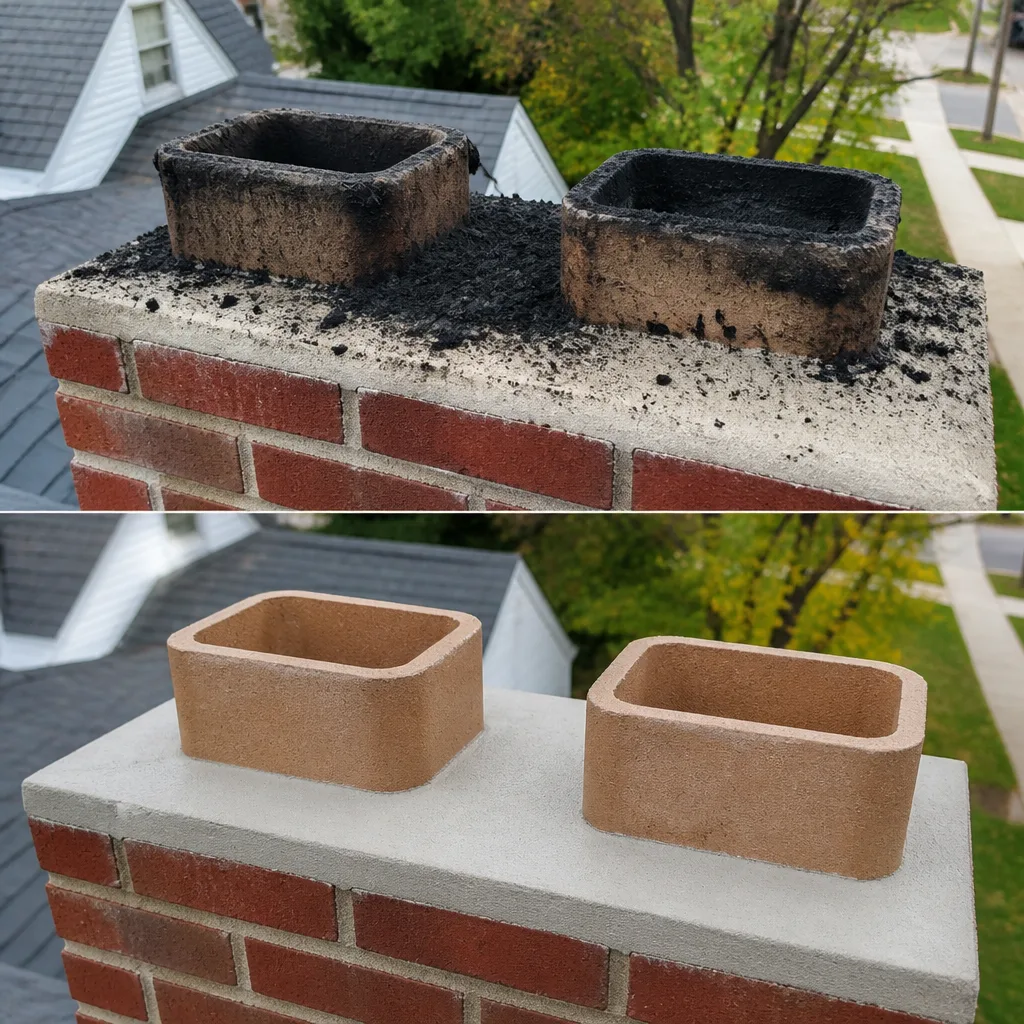
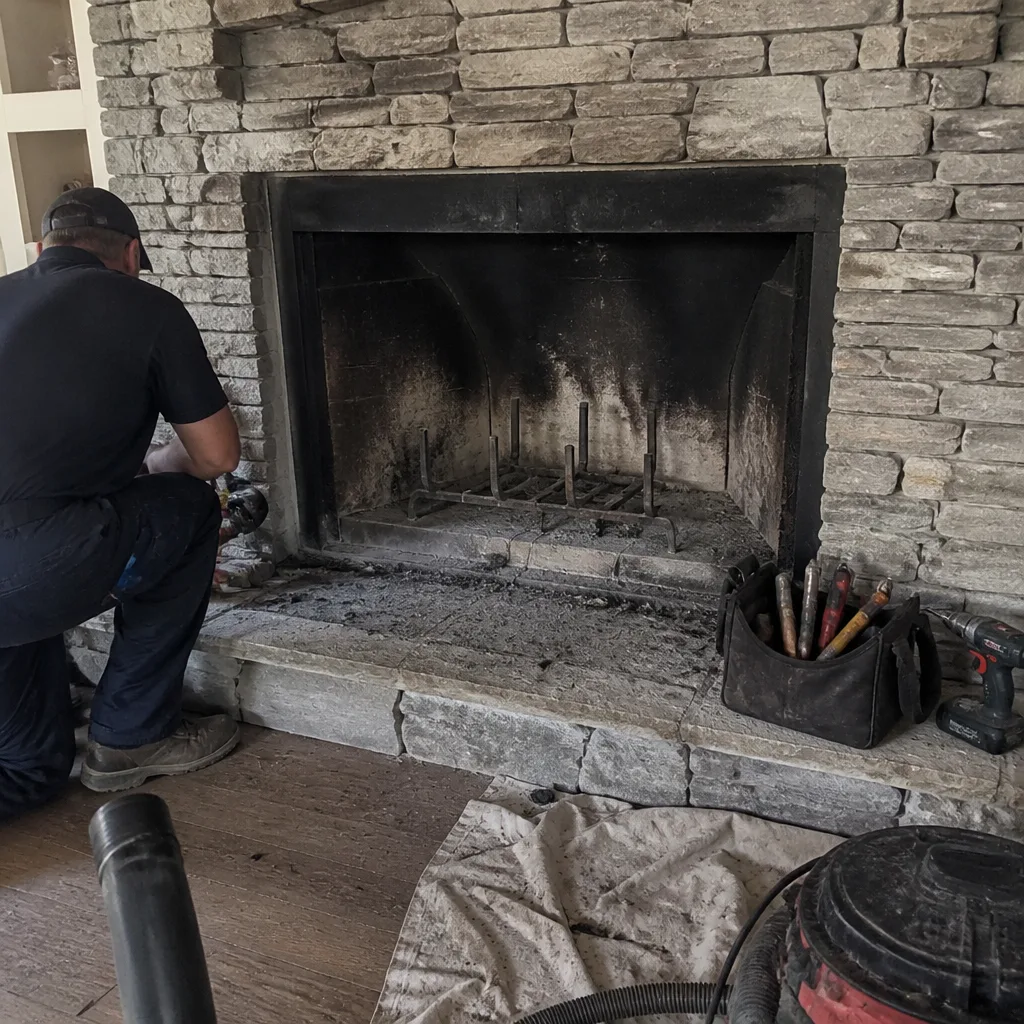 Before
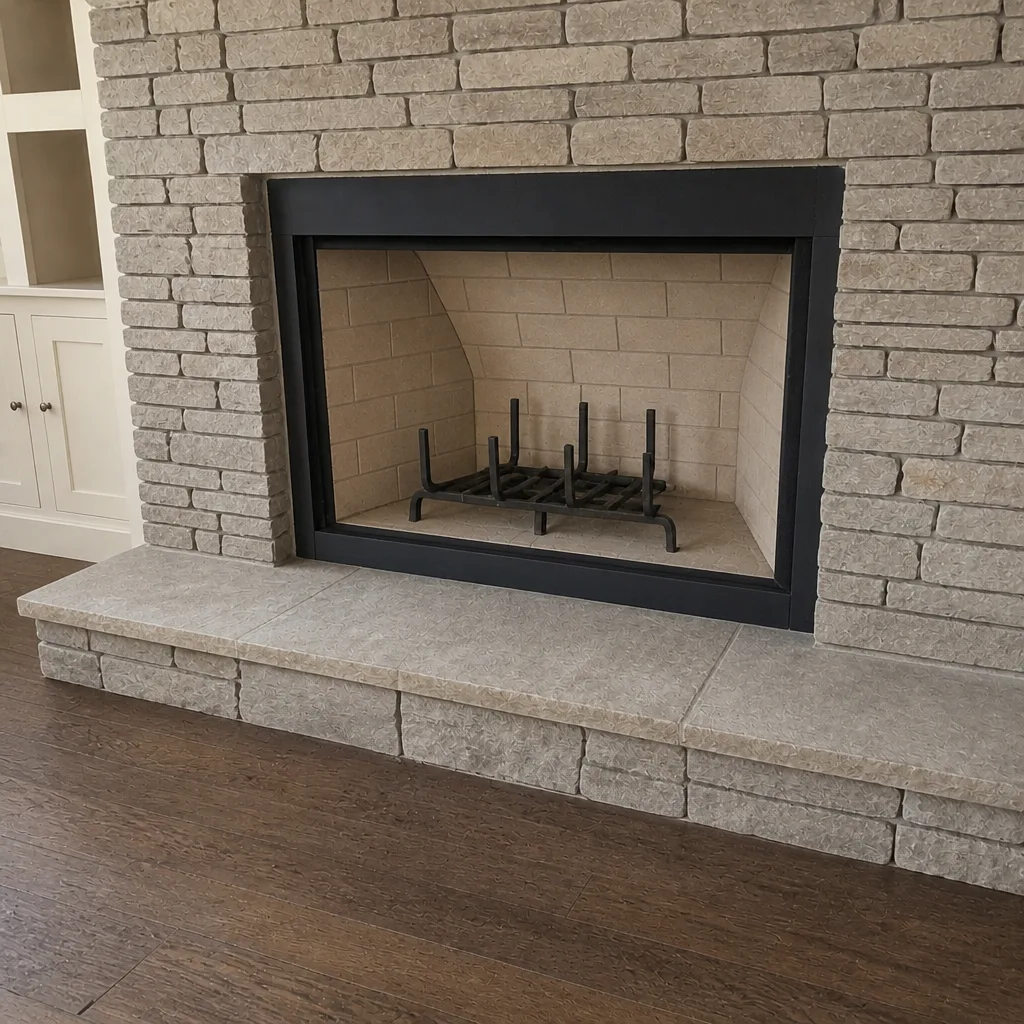 After
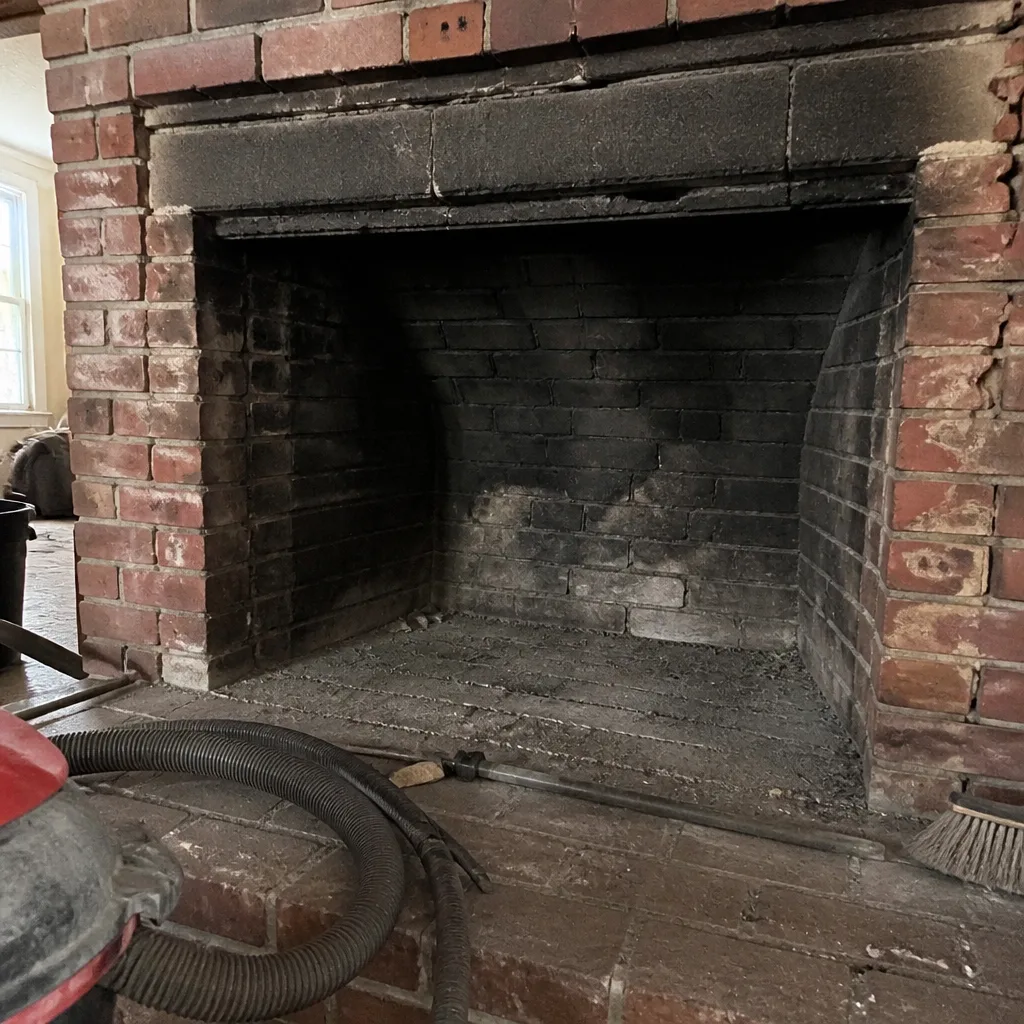 Before
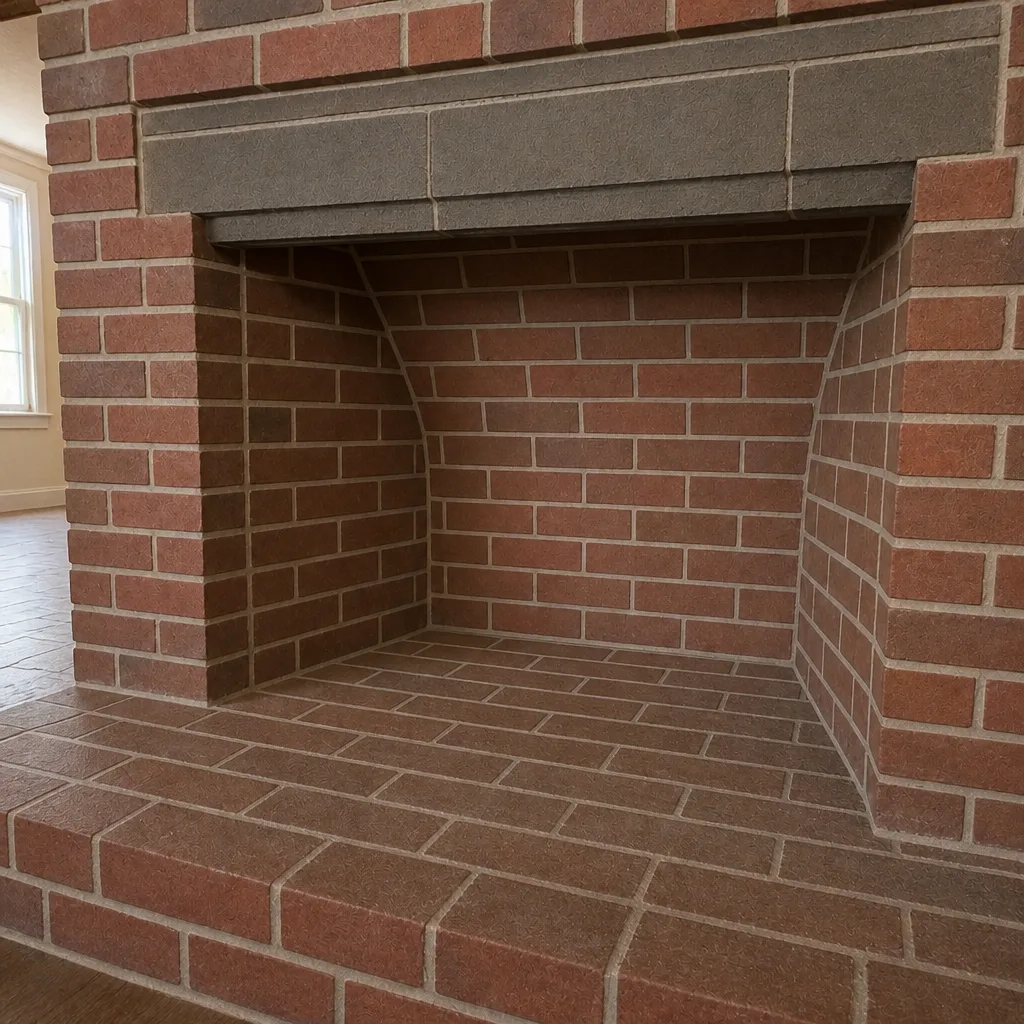 After
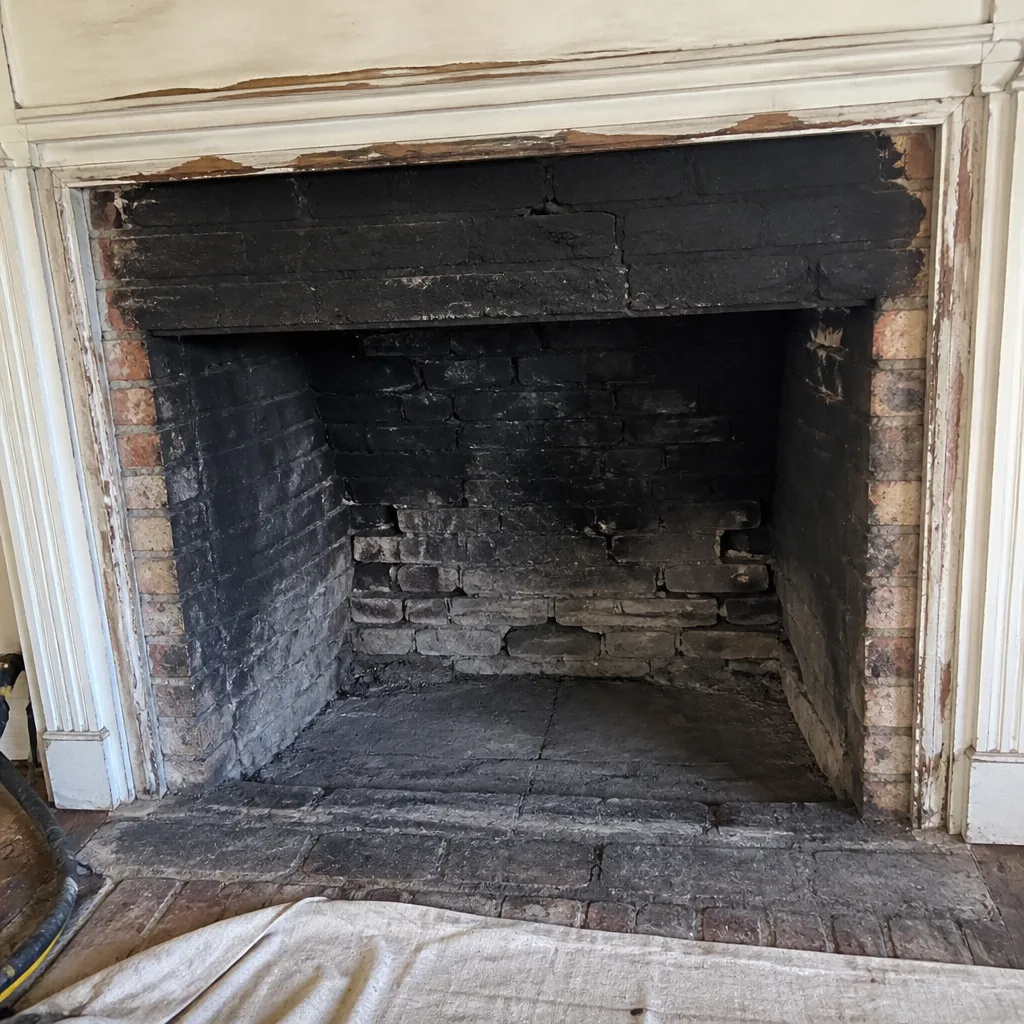 Before
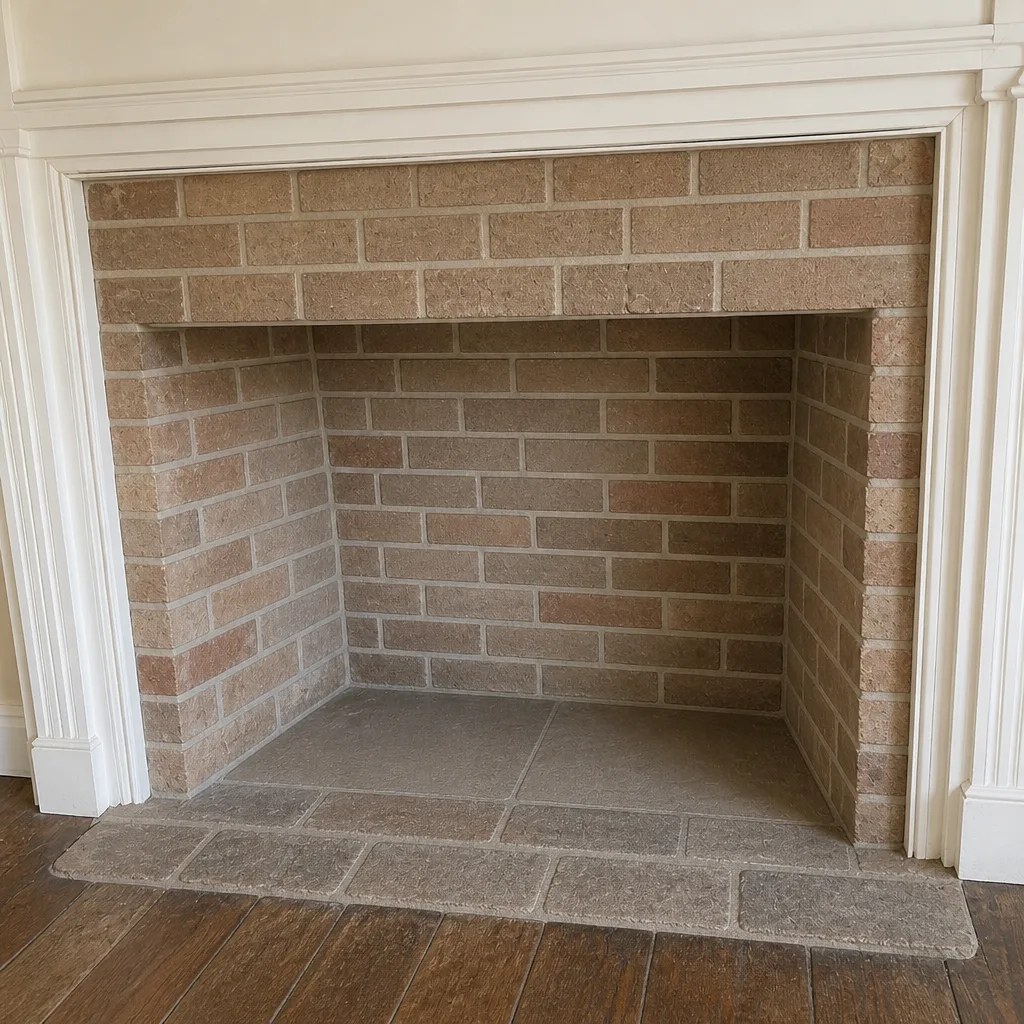 After
What actually happens if you skip the annual sweep
Creosote accumulates, then it fires. That’s the honest sequence. A flue that goes several years without a sweep builds up a flammable layer along the walls, and when a hot fire sends a spark or a hot ember up into the accumulated creosote, it burns. A chimney fire can be quiet and goes out on its own, or it can crack the liner and damage the structure it’s built into. Either way, it’s the point at which a cleaning problem becomes a repair problem.
The other side of skipping the sweep is carbon monoxide. A flue with a cracked liner, blocked by a nest, or compromised by water damage doesn’t vent combustion gases safely. Those gases have to go somewhere, and if the flue won’t take them, they can travel into the walls or back into the room. This is the reason every chimney specialist will tell you the same thing: the annual sweep is cheap, the repair after the fire is not, and the CO event is unthinkable. We’re not trying to scare anyone into a service. The truth is just specific enough to speak for itself.
If you’ve skipped a few years, don’t panic and don’t schedule a reline before you’ve had a camera inspection. Many chimneys that have gone a few seasons without a sweep clean up fine. That’s why we start every job with a diagnosis, and why we tell homeowners plainly when a repair can safely wait and when it can’t. The written estimate sets the final price, and the free estimate costs nothing but the call.
Common Mistakes to Avoid
- Blaming the sweep when the diagnosis was never done. A cleaned flue that still smokes tells you the problem was never creosote. If the last visit started with a brush and ended with a brush, you haven’t had a diagnosis, and another cleaning won’t be it either.
- Treating white staining as a cosmetic problem. Efflorescence that returns after every heavy North Charleston rain is water moving through masonry. Sandblasting it off without fixing the crown and flashing just hides the problem while the structure keeps degrading.
- Fixing negative pressure by opening a window. Cracking a window during a fire is a diagnostic test, not a solution. It works in the moment, and it wastes heat for the seasons afterward. The pressure problem lives in the house’s air balance, and that needs a proper evaluation.
- Assuming a camera inspection is part of every sweep. It isn’t. Many sweep-only competitors don’t own a camera. Ask for the photo report before you book, and if they can’t provide one, you know the flue has never actually been seen.
- Running a gas insert on a flue sized for wood. The old flue is a different system than the new appliance. Lower flue temperatures plus moisture equals corrosion, and standard soot-based troubleshooting passes the check while the liner quietly degrades.
- Letting unseasoned wood sit for a second season. Damp wood makes creosote far faster than dry wood, and it’s the easiest variable to control. Season your wood properly and the annual sweep does its job.
- Waiting until the first cold weekend to book. North Charleston’s burning season is compressed, and the annual demand lands in the same few weeks. Book in the off-season and the sweep happens before the first fire, not after the first smoke complaint.
When to Call a Professional
Call us even if you’re not sure the issue is serious, because the call is free and the cost of ignoring a real problem is not. Call if smoke comes into the room during a fire, if a carbon monoxide alarm sounds, if white staining on your masonry keeps returning after rain, if you hear ticking or rattle sounds during a fire, if your gas insert leaves an exhaust odor, or if a chimney fire has ever happened, even a small one. Call if the chimney hasn’t been camera-inspected in the last year or two, and call if any previous sweep was brush-only with no photo report. Denali Chimney Sweep offers free estimates in North Charleston. Call (855) 723-7039. We answer 24/7. Fast dispatch from 7am to 7pm, Sunday through Friday. A call outside dispatch hours is booked into the next opening.
Frequently Asked Questions
Smoke after a cleaning is almost always a draft or pressure problem, not remaining soot. The flue may be clear, but if the house is drawing air downward through it, the smoke follows that downward path into the room. The other common cause is a liner or cap issue that a brush-only sweep never checked. A camera inspection plus a draft measurement is what separates the two.
Every job is priced per job by the written estimate, and the estimate itself is free. What drives the number is what the diagnosis actually finds: a sweep and a camera inspection is one category of job, a liner reline is a different one, and masonry work is another. Call (855) 723-7039 for an exact quote. Estimates are free.
A sweep alone is not enough to diagnose most chimney problems, because the brush can’t show you a cracked liner, a corroded flue, or a hidden moisture issue. A camera inspection is what shows you what the flue actually looks like and gives you a photo report you can review yourself. We never recommend liner or masonry work without camera evidence.
Once a year for most wood-burning chimneys, and more often for wood stoves used as a primary heat source. Gas inserts still need an annual inspection because the concern is liner corrosion and venting integrity rather than creosote. Even if the flue is fine, the annual visit is what catches the small issues before they become repairs.
Some symptoms can be monitored safely, and some require the flue shut down. Light efflorescence, a smoky smell on humid days, and occasional draft weakness in still weather can be monitored while you schedule an inspection. Any suspicion of a cracked liner, ticking or rattle during a fire, visible structural cracking, a CO alarm, or any past chimney fire means shut the flue down now and call. Call (855) 723-7039 and we’ll help you sort it.
No. White staining is efflorescence, the residue left when water moves through masonry and evaporates at the surface. If it comes back after heavy rains, water is actively infiltrating your chimney through the crown, mortar joints, or flashing. That’s a structural issue, not a cleaning one, and it gets worse the longer it goes unaddressed.
A lingering exhaust odor from a gas insert usually means the venting isn’t working as it should. Gas appliances produce moisture and lower-temperature flue gases than wood, and a flue built for a wood fire handles that differently. Corrosion inside a clay liner is the most common cause, and a standard soot-based sweep won’t catch it. Call (855) 723-7039 to book a camera inspection.
The Bottom Line
Most chimney problems in North Charleston aren’t caused by a bad sweep. They’re caused by a missing diagnosis: a smoking chimney that was never actually assessed, white staining that was never traced to its water source, a gas insert that was converted without a flue to match, or sounds that should have shut the flue down that got talked away. Read the signals, test the pressure, look for the stains, listen for the sounds. Know which of the three categories your problem falls into and act accordingly, and when in doubt, shut the flue down and call. Inspection comes first, repair follows the evidence, and any work you don’t see on the camera report never gets recommended. From annual cleaning to full flue relining, one call covers it. Call (855) 723-7039 for a free estimate. We answer 24/7. Fast dispatch from 7am to 7pm, Sunday through Friday.
Written by the team at Denali Chimney Sweep.