
Last updated November 15, 2026
 Sweep & inspection
 Caps & crowns
 Flue relining
 Masonry repair
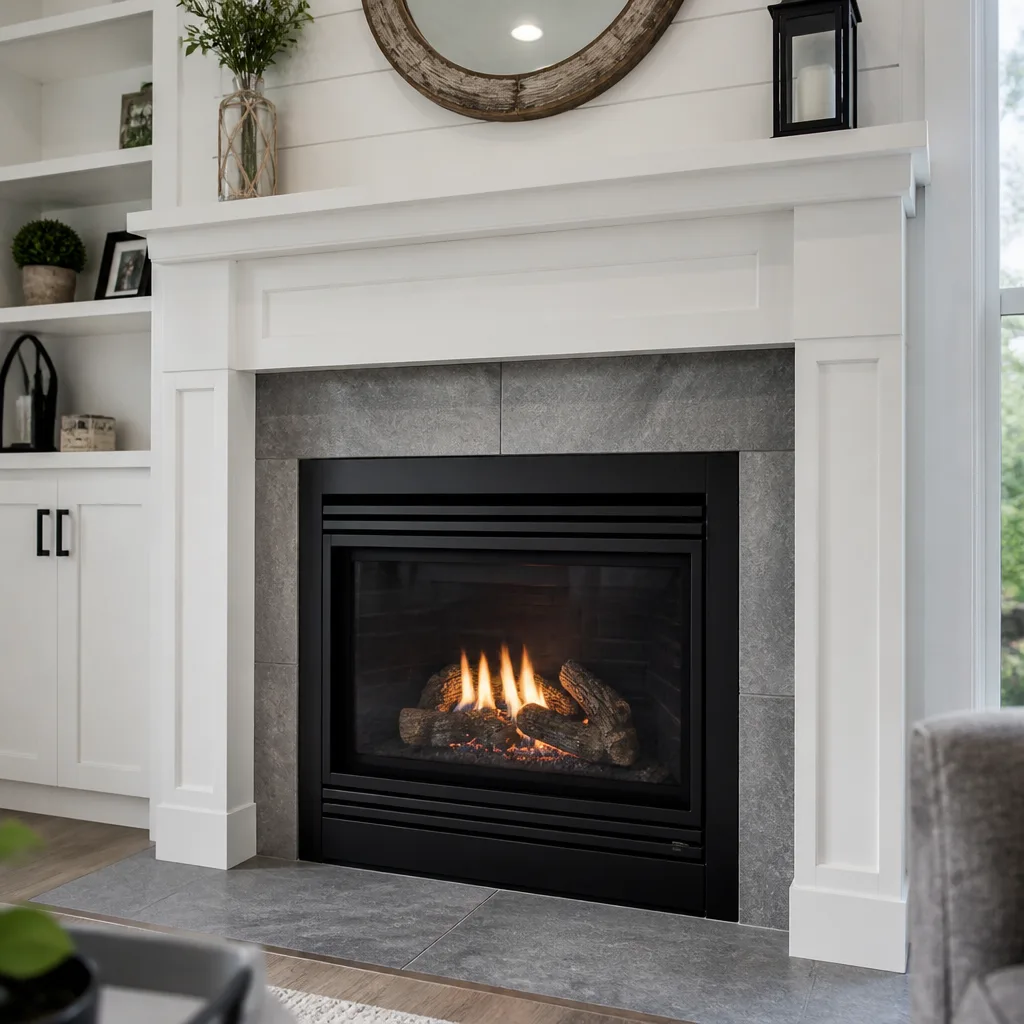 Gas fireplace service
Level 1 sweep and inspection to the NFPA 211 annual standard - flue, crown, cap, and flashing checked and photographed
Chimney sweep logs do not sweep chimneys. They loosen some creosote - which then falls where a brush and vacuum still have to collect it.
The Complete Guide to Chimney Cleaning in North Charleston
Most North Charleston homeowners light their fireplace fewer than 15 nights a year. Here’s the counterintuitive part: that light use can leave denser, harder-to-remove creosote in your flue than a house up north that burns wood every night from October through April. Short, low-heat fires never get the flue hot enough to burn off the deposits they create, so the glazed Stage 2 creosote builds up layer by layer. Add North Charleston’s humid summers and mild, swingy winters and you have a moisture-and-creosote profile that generic cleaning advice simply wasn’t written for. This guide covers what a thorough cleaning in North Charleston actually involves, how to read the technician’s report, and when your chimney needs repair rather than another sweep.
Quick Answer
Chimney cleaning in North Charleston means removing creosote, soot and blockages from the flue, then inspecting the full system – firebox, damper, smoke chamber, cap and liner – and giving you a written report on what was found. You should book a cleaning once a year if you burn wood at all, or when soot buildup reaches about 1/8 inch, and every chimney should have an annual inspection regardless of use. The cleaning is booked ahead; the value is in the inspection that comes with it.
Styles & brands we work with
- Sweep & inspection
- Caps & crowns
- Flue relining
- Masonry repair
- Gas fireplace service
Table of Contents
- Why North Charleston’s Climate Changes Everything About Chimney Cleaning
- Why Light Fireplace Use Produces Denser Creosote
- What a Complete Cleaning Covers Beyond the Flue
- The Three Inspection Levels and When Each Applies
- How to Read a Post-Cleaning Report
- Moisture, Mortar and the Masonry in a Humid Climate
- Cleaning vs. Repair: When You Need More Than a Sweep
- How Often North Charleston Chimneys Really Need This
Why North Charleston’s Climate Changes Everything About Chimney Cleaning
Chimney problems are shaped by local weather more than most people realize. The advice that circulates online is usually written for cold climates – long heating seasons, dry winters, hard freezes. When a North Charleston homeowner follows that advice, they clean at the wrong intervals, check the wrong things, and miss the specific failures this climate produces.
The Lowcountry is warm and humid for most of the year, with mild winters and short stretches of genuinely cold weather. That means chimneys here dry out slowly, sit idle for months, and get used in bursts. Each of those conditions leaves its own fingerprint on the flue, the firebox and the masonry.
- Humidity keeps masonry damp longer. Damp mortar and brick weather faster than dry ones, and small cracks open up that let more water in.
- Mild winters mean the chimney never fully dries between seasons. The flue holds moisture from rain and from combustion, and condensation forms on cool masonry when the fire is out.
- Short heating seasons mean sporadic, low-intensity fires. These produce cooler exhaust and more creosote than a hot, continuous fire.
- Long idle periods let deposits harden. Creosote left in a flue from spring to fall sets up harder and becomes more stubborn by the time you light the first fire of the season.
- Thunderstorms are frequent in summer. Wind-driven rain finds its way past a missing or damaged cap, and water in the flue is one of the fastest routes to a cracked liner and rusted damper.
We treat your chimney as a system, not a single sweep. In North Charleston that means looking at how the climate has interacted with this specific chimney, then working out which parts of the system have taken the most strain. The cleaning schedule that keeps a Vermont chimney healthy isn’t the one that keeps a North Charleston chimney healthy, and the inspection checklist changes too.
Why Light Fireplace Use Produces Denser Creosote
This is the single most misunderstood point in chimney care for warm climates. You would think a fireplace used a dozen times a year would barely need cleaning. In practice, occasional low-heat fires are one of the worst things for creosote buildup.
Creosote forms when wood smoke cools before it leaves the flue. A hot, roaring fire sends exhaust up and out fast, with little time for deposits to settle. A small fire – a couple of logs in a cold firebox, damper opened only partway, fire allowed to smolder – sends cool, slow, incomplete-combustion exhaust up the flue. That exhaust condenses on the flue walls and leaves behind creosote. Hot fires burn it off. Cool fires add to it.
Cold-climate homes often light a big hot fire every night for months. The intensity partly self-clears the flue. A North Charleston home lights a modest fire for a few evenings when a cold front rolls through, then doesn’t touch the fireplace again for weeks. Layer by layer, cool-soot deposits stack up and glaze into harder forms.
The three stages and why they matter
- Stage 1: Soot and light flaky creosote. The easiest to remove. A brush sweep and a thorough inspection handle this.
- Stage 2: Glazed, hardened creosote. Dense, dark, and resistant to brushing alone. This is where the wrong fire habits leave their mark, and where the risk of a chimney fire rises sharply.
- Stage 3: Porous, crumbling creosote. The most severe form, requiring a combination of mechanical and chemical removal. This is usually a sign the flue has been neglected for several seasons.
The practical takeaway: don’t judge by fire count. Judge by burn quality and by an annual inspection. If you’re only lighting a fire a dozen nights a year, make each fire count – burn seasoned wood, keep the damper fully open, don’t let it smolder overnight, and don’t assume the low use means the flue is clean. This is exactly the pattern we see across North Charleston homes where the fireplace is a nice-to-have rather than a heat source.
What a Complete Cleaning Covers Beyond the Flue
A flue brush through the chimney is the visible part of the job. It’s also the part most people assume is the whole job. A complete cleaning treats the entire system.
- The flue itself. Brushed top to bottom with the right brush for the flue type and size, then vacuumed with a sealed system to contain dust.
- The smoke chamber. This is the sloping space above the damper and below the flue. It’s notoriously hard to clean and a common place for soot to hide. Mechanical cleaning of the smoke chamber is where most “basic sweeps” stop short.
- The firebox. Soot, ash and debris removed, with the firebox walls checked for cracks and gaps.
- The damper. Opens, closes and seals correctly, or it needs repair. A damper that doesn’t seal lets heat out when the fireplace is closed and lets cold air and moisture in when it’s not in use.
- The chimney cap. Present, intact and fitted. A missing or damaged cap lets rain in, lets animals in, and lets embers out. On North Charleston homes this is one of the most common findings – a cap that failed years ago and has quietly been letting water into the flue.
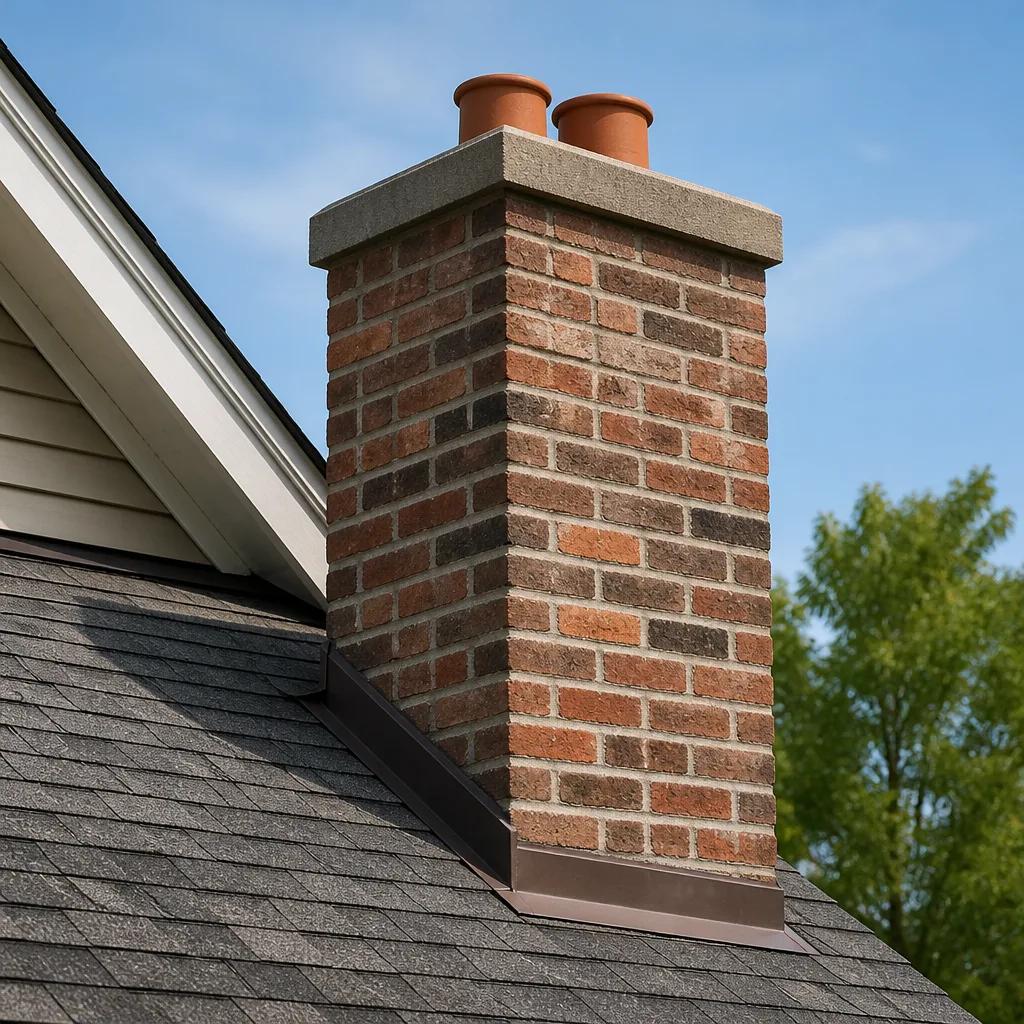
- The crown and flashing. The mortar crown at the top of the chimney and the flashing where it meets the roof. These two areas are the front line against water damage on every chimney.
- The masonry and liner, visually inspected. Cracks, gaps in mortar joints, spalling brick, and any sign the liner isn’t doing its job.
When we sweep, we also look at whether the system needs chimney repair. A sweep that ignores a cracked crown hasn’t solved the problem – it has just cleared the soot from around it. The full picture is the whole point.
The Three Inspection Levels and When Each Applies
Chimney inspection isn’t one thing. It’s broken into three levels, defined by the standard-setting bodies of the chimney trade, and each level applies to a different situation. Knowing which one you need stops you paying for the wrong inspection – or missing something a more thorough one would have caught.
Level 1: The standard annual inspection
This is the routine inspection that should happen every year, and it’s usually paired with a cleaning. It covers all readily accessible parts of the chimney and venting system – firebox, damper, smoke chamber, flue, crown, cap – using ordinary hand tools. It does not involve opening walls or dismantling anything. If your chimney hasn’t changed and nothing concerning has happened, a Level 1 inspection is what you book.
Level 2: The inspection for changes and events
A Level 2 inspection goes further. It typically includes a video camera scan of the flue and inspection of accessible areas of the attic and crawlspace, and it’s the level required when something has changed. Book a Level 2 if:
- You’ve just bought the home, or you’re selling it.
- You’ve had a chimney fire, even a small one.
- You’re changing the type of appliance – adding a wood stove insert, for example, or switching to a gas insert.
- You’ve had an earthquake, a major storm or a significant structural event.
- You’re getting the chimney relined and want a before-and-after record.
For North Charleston, the home-purchase case is the one we see most. Older masonry chimneys in this area often have decades of use behind them and no reliable service record. A Level 2 inspection before you light that first fire is money well spent.
Level 3: The inspection for suspected problems
A Level 3 inspection is targeted and invasive. It’s used when a problem is suspected or known but can’t be identified by Level 1 or 2 methods. That might mean removing parts of the chimney, cutting into walls, or dismantling the crown to get at the trouble. It’s rare, and it should only be recommended when there’s a clear reason to believe a Level 1 or 2 inspection has found something it can’t fully diagnose.
If someone recommends a Level 3 inspection without first doing a Level 1 or 2 that raised a specific concern, ask why. The right answer is never “routine.”
How to Read a Post-Cleaning Report
After a proper cleaning, you should get a written report, not a verbal “you’re all set.” Knowing how to read the report is how you confirm the work was done right. Here’s what to look for.
- The original problem, stated clearly. The report should describe what was found, not just what was done. Creosote stage and location, soot thickness, any blockage.
- A before-and-after check. Photo documentation is standard now, and any length of hesitation about whether it exists is worth noting. Ask for it before the sweep is booked.
- A clear statement of the sweep method. The type of brush, whether the smoke chamber was cleaned, how dust was contained.
- Inspection findings on each part. Firebox, damper, smoke chamber, flue, crown, cap, flashing – each should be explicitly addressed.
- Repair recommendations with a reason attached. “Flue has a crack at the second joint and the liner no longer seals” is a reason. “You need a new liner” with no visible evidence is not.
- A clear line between “now” and “later.” Some repairs are urgent – a cracked liner, a missing cap. Others can safely wait a season. A good report tells you which is which.
We don’t recommend repair work without camera evidence you can see yourself. If the report doesn’t make the reason obvious, ask to be shown. The most valuable thing you can take from a cleaning isn’t a clean flue – it’s the confidence that you know what condition your chimney is in. This is the report style that we hold ourselves to on every chimney sweep in North Charleston, and it’s the standard to hold any technician to.
Moisture, Mortar and the Masonry in a Humid Climate
Humidity is the silent enemy of masonry chimneys in the Lowcountry. Brick and mortar are porous. They absorb moisture from the air, from rain, and from combustion byproducts. In a dry climate, they dry out fairly quickly. In North Charleston, where humidity can sit high for months, they stay damp far longer.
Wet masonry doesn’t fail instantly. It fails slowly, in a pattern:
- Mortar joints soften and start to erode.
- Small cracks open up in the brick or the crown, letting in more water.
- Freeze-thaw cycles in the occasional cold snap widen those cracks, because water expands as it freezes.
- Spalling develops – brick faces flake off as the material breaks apart from the inside.
A chimney with failing mortar and a cracked crown is a chimney that lets water in all year. That water then damages the flue liner, rusts the damper, and degrades the firebox. In other words, exterior water damage becomes interior chimney failure.
Two defenses matter most here:
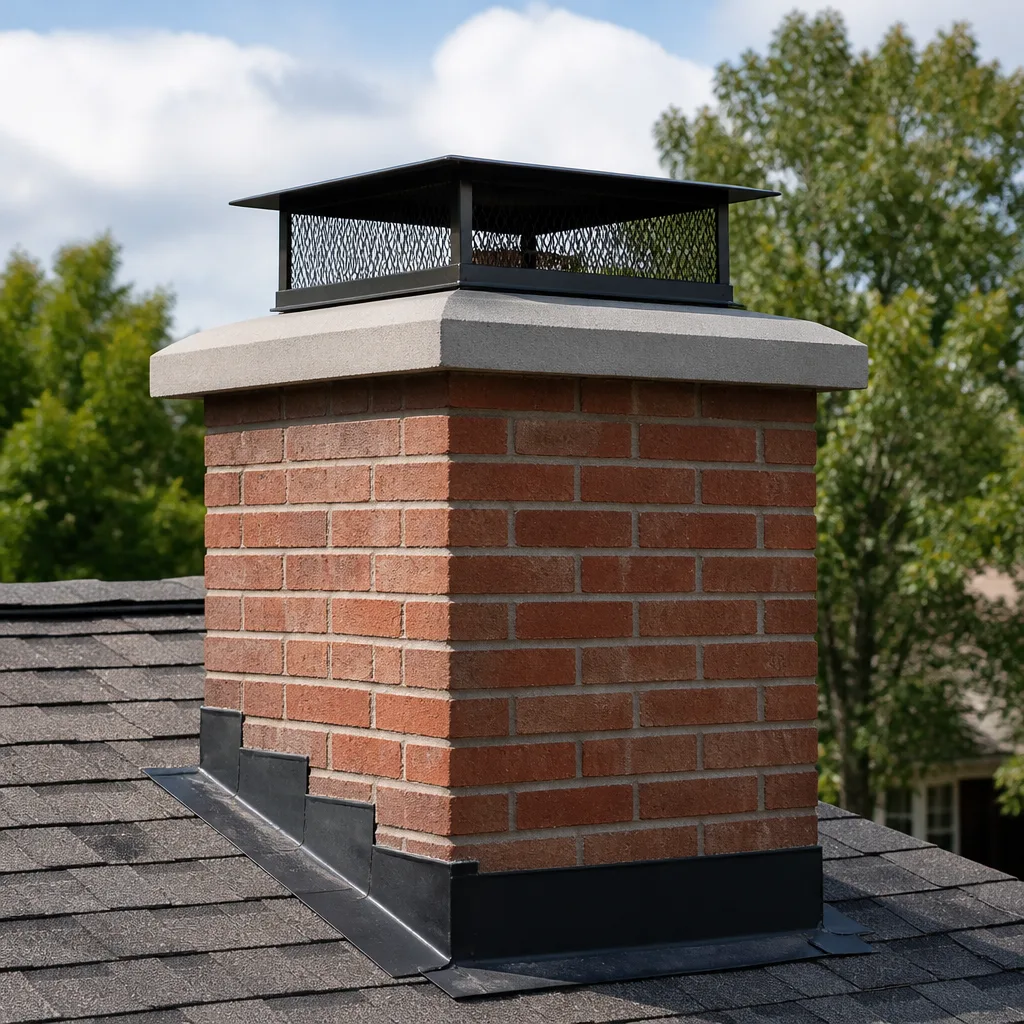
- A properly fitted chimney cap. This is the first line of defense against rain down the flue. We fit Gelco caps because they’re known in the trade for precision fit and durability, and a well-fitted cap is what keeps rain out of the flue between cleanings.
- Repairing the crown and flashing before the crack becomes a hole. Small masonry repairs are far cheaper and simpler than rebuilding a chimney that water has gotten into over several seasons.
During a cleaning, we look at the masonry and crown with the specific climate of North Charleston in mind. That’s the difference between a chimney that stays serviceable and one that quietly deteriorates between sweeps.
Cleaning vs. Repair: When You Need More Than a Sweep
A cleaning removes what has built up inside the chimney. A repair fixes what has broken. In North Charleston, where chimney problems often come from humidity, moisture and age rather than heavy use, homeowners are frequently surprised by which one they actually need.
Repair territory usually involves one of these:
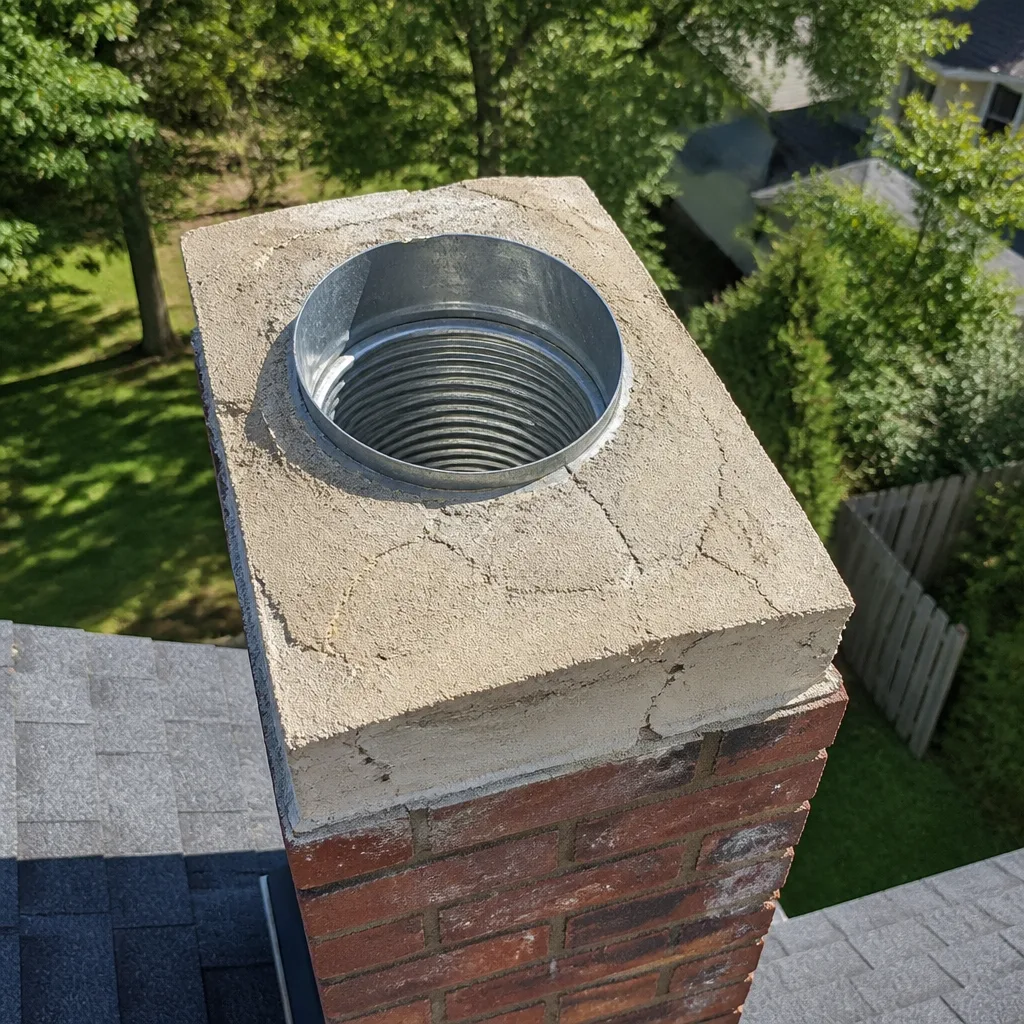
- A cracked or damaged flue liner. The liner is what keeps combustion gases contained and away from the surrounding structure. If it’s cracked or deteriorated, a cleaning alone doesn’t fix it – the liner needs relining. That’s a structural repair, and it’s one of the things we do. We install DuraFlex flexible liner systems for full chimney relining.
- Eroded mortar inside the flue. Older flues with failing mortar joints can be resurfaced rather than rebuilt. HeatShield is a flue-resurfacing process that restores the interior surface, and it’s a specialized application most sweep-only companies don’t offer.
- A failing crown or cracked masonry above the roofline. Repaired with the right materials before water gets in further.
- A missing or damaged cap. Replaced with a fitted cap – Gelco is our choice – which stops the water intrusion cycle.
- A damper that no longer seals. Repaired or replaced so the fireplace closes down properly between uses.
The full service arc – sweep, inspect, repair – is the reason we work only with recognized professional-grade brands. Materials come through Olympia Chimney, Famco and Copperfield, which are established supply lines in the chimney trade, and the liner and resurfacing brands we install are the same ones manufacturers specify. That matters because a chimney repair is a long-term job. The wrong material becomes the next problem a decade later.
When we recommend repair, it’s because the inspection found something that cleaning alone won’t resolve. Not every chimney needs one. The evidence comes first, the recommendation second.
How Often North Charleston Chimneys Really Need This
The short answer: once a year if you burn wood, and every year for inspection regardless. The longer answer is more useful.
If you burn wood regularly
Book a cleaning annually. North Charleston’s short heating season might tempt you to skip a year, but the cool, sporadic burn pattern we covered earlier is precisely why annual cleaning matters here. The creosote doesn’t go away when the fireplace sits idle – and glazed Stage 2 creosote hardens over the summer months.
If you burn wood occasionally
Once a year is still the right rhythm. An annual sweep plus a Level 1 inspection catches the small problems before they grow into liner or masonry repairs. For a homeowner who lights the fireplace a dozen times a year, the annual visit is mostly about knowledge – knowing the cap is still in place, the mortar is holding, and the flue has no surprises waiting.
If the fireplace is unused
A wood fireplace you never light still deserves an annual inspection. A chimney that isn’t used still gets wet. It still develops drafts that pull in debris. Caps fail. Animals get in. Dampers stick. The annual inspection is the eye on the system.
Additional triggers to book a sweep outside the yearly rhythm
- You’ve seen soot or creosote flaking down the firebox when you open the damper.
- Smoke back-drafts into the room when a fire is lit.
- You notice a smoky smell in the house even with no fire burning – this can mean soot and moisture sitting in the flue.
- You’ve had a chimney fire, even a brief one. A chimney fire always means inspection and often repair.
- You’ve changed appliance type or had a major storm.
- You’re buying or selling the home.
For a broader look at what routine service involves, see our Denali Chimney Sweep overview. The schedule is why we say: inspect first, repair right, no guesswork.
Common Mistakes to Avoid
- Assuming low fire count means the flue is clean. In North Charleston’s warm climate, light fireplace use is one of the most creosote-producing patterns there is. An annual inspection tells you what’s actually in the flue, regardless of how often you light a fire.
- Skipping the sweep because the fireplace “looks fine.” Most creosote and most liner degradation is invisible from the firebox. You need the cleaning and the camera inspection to see what’s really there.
- Letting a missing or damaged cap go unfixed. A cap is the single cheapest defense against water down the flue. Replacing one small part now is far cheaper than repairing the liner it damages later.
- Burning unseasoned wood. Wet wood burns cool and produces more creosote, which is exactly the wrong thing for a sporadic-use fireplace. Seasoned wood pays for itself in less creosote and less soot.
- Letting fires smolder overnight. Smoldering is a cool, incomplete burn – the perfect recipe for Stage 2 creosote. Burn hot, let it die down, don’t stretch a fire across the night.
- Hiring a general handyman rather than a chimney specialist. A brush and a ladder aren’t the same as a specialist who can recognize liner damage, resurface a flue, or reline a chimney. The sweep is what catches the problem – the specialist is what fixes it.
- Ignoring the report after the cleaning. The report tells you what condition the chimney is in. Read it, ask questions, and don’t let a recommendation go without visible evidence behind it.
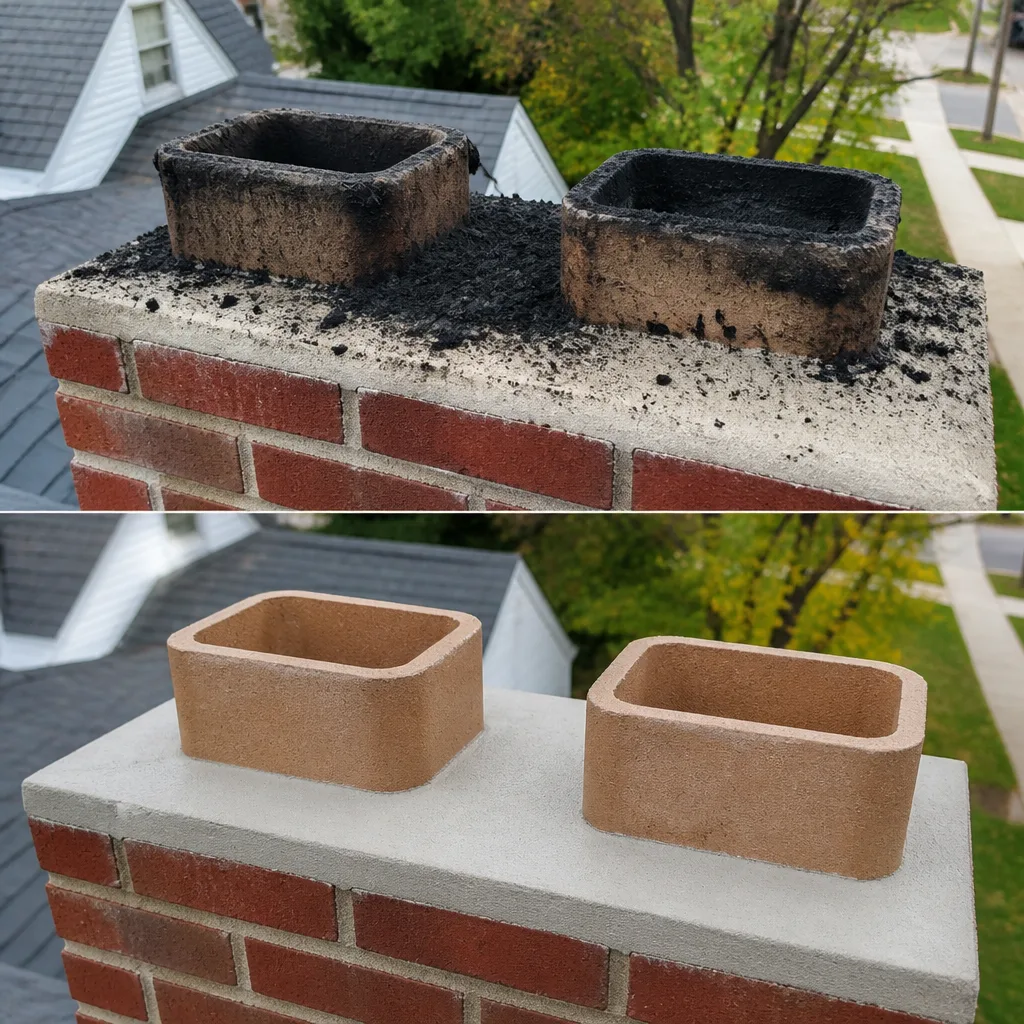
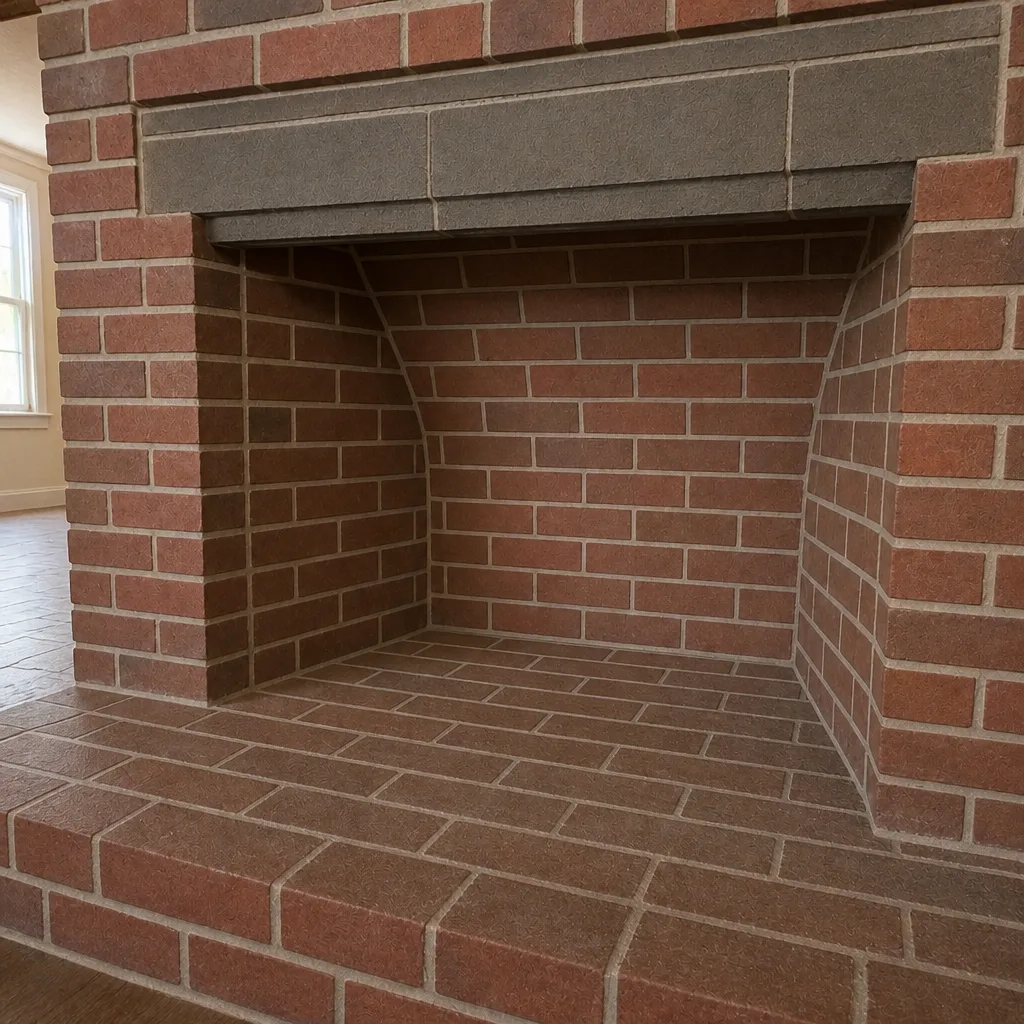
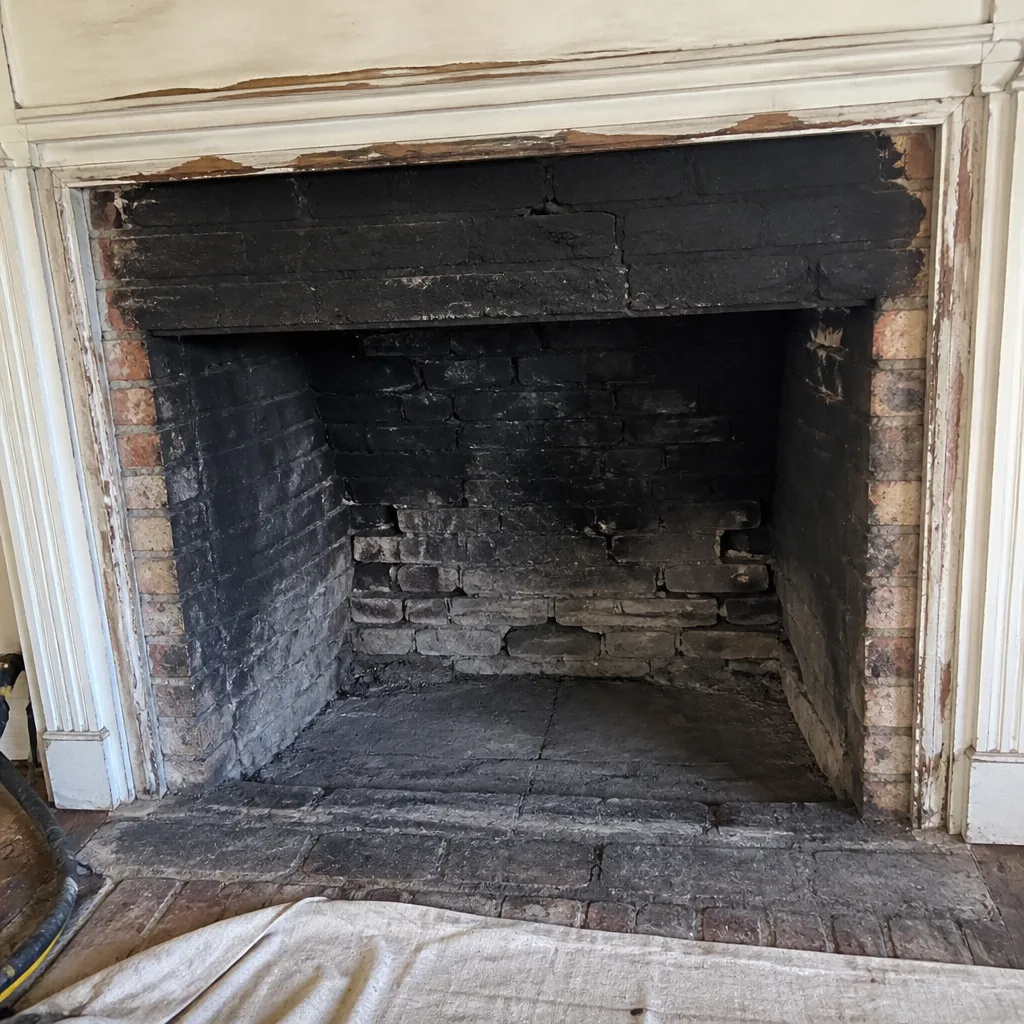
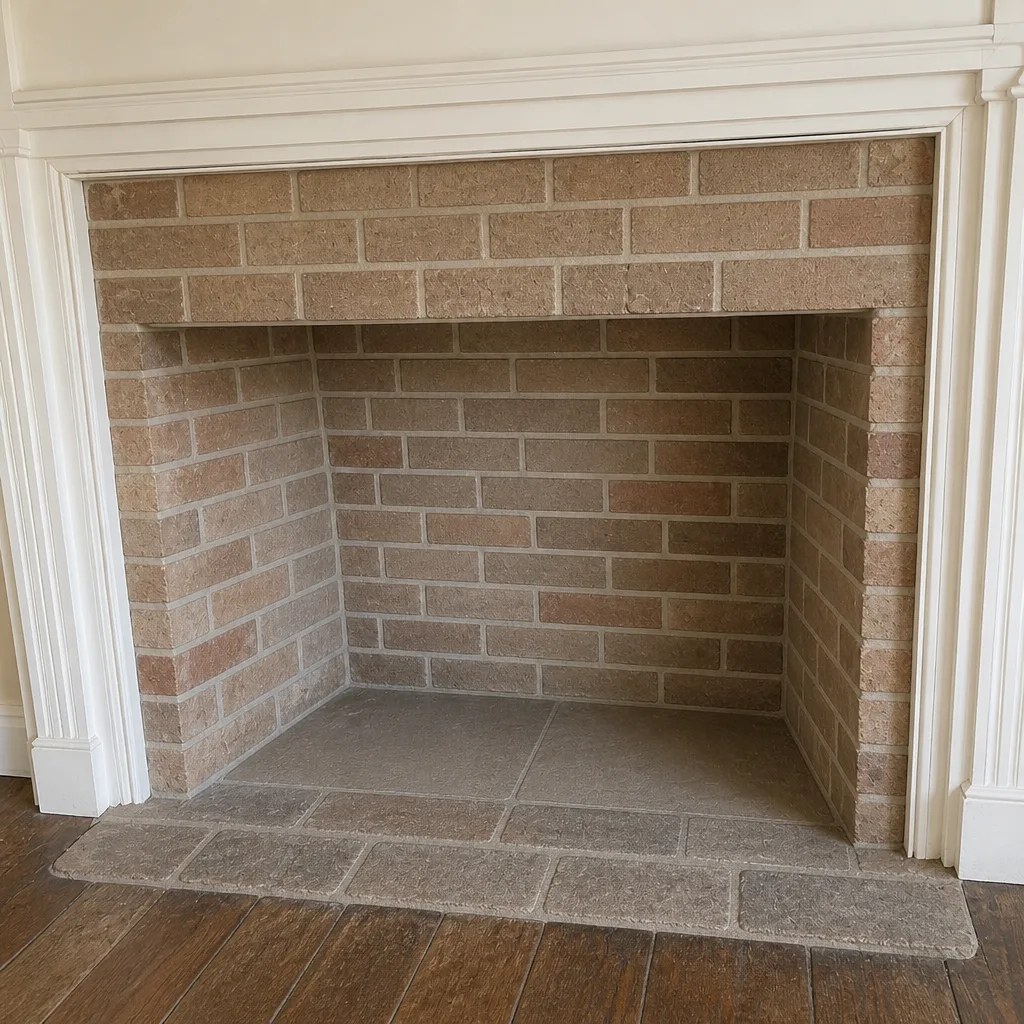
See the difference
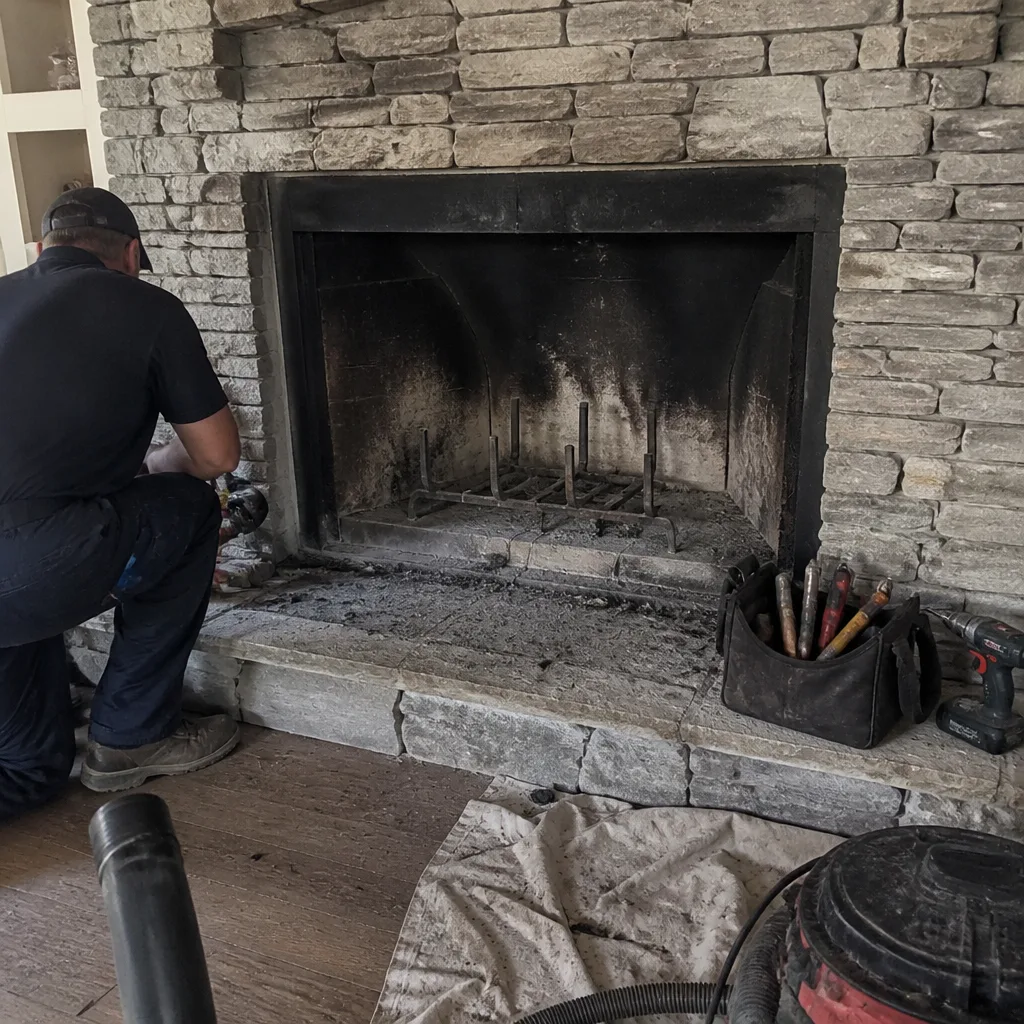 Before
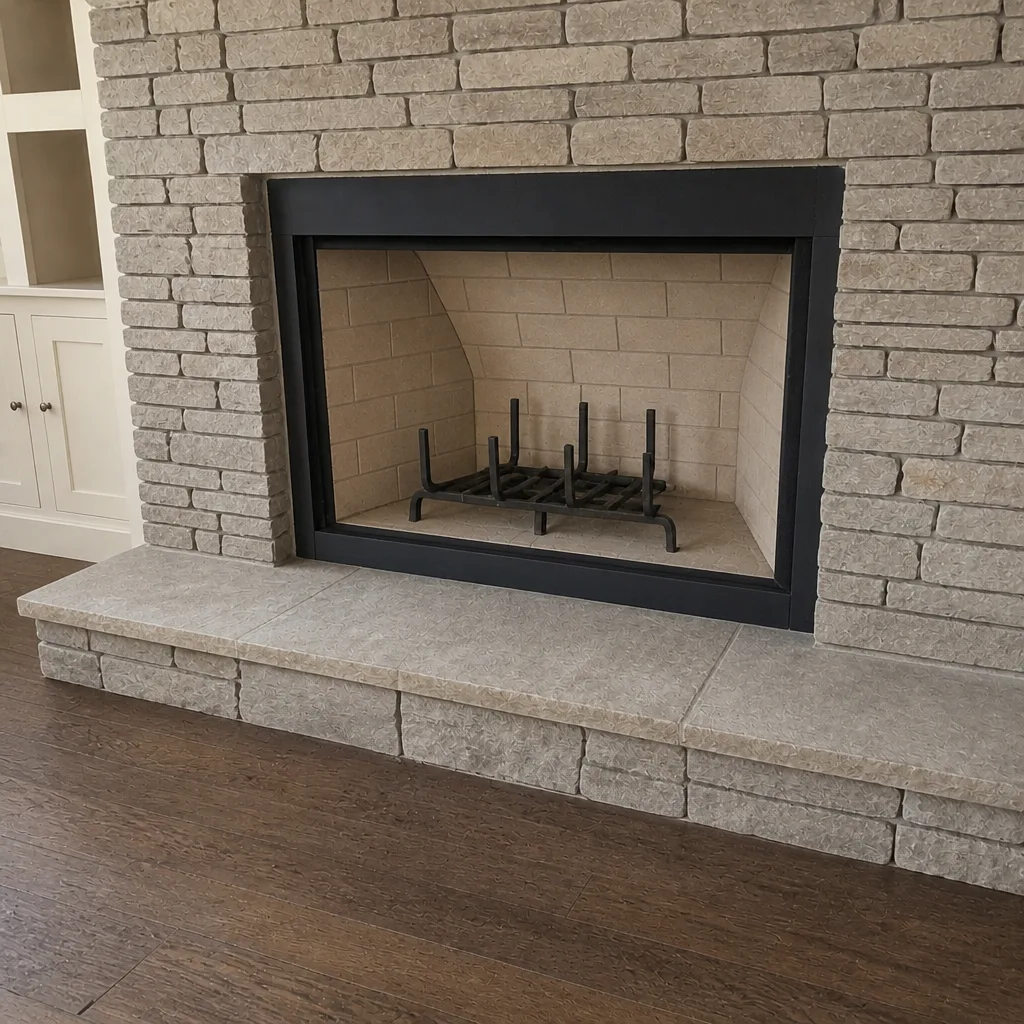 After
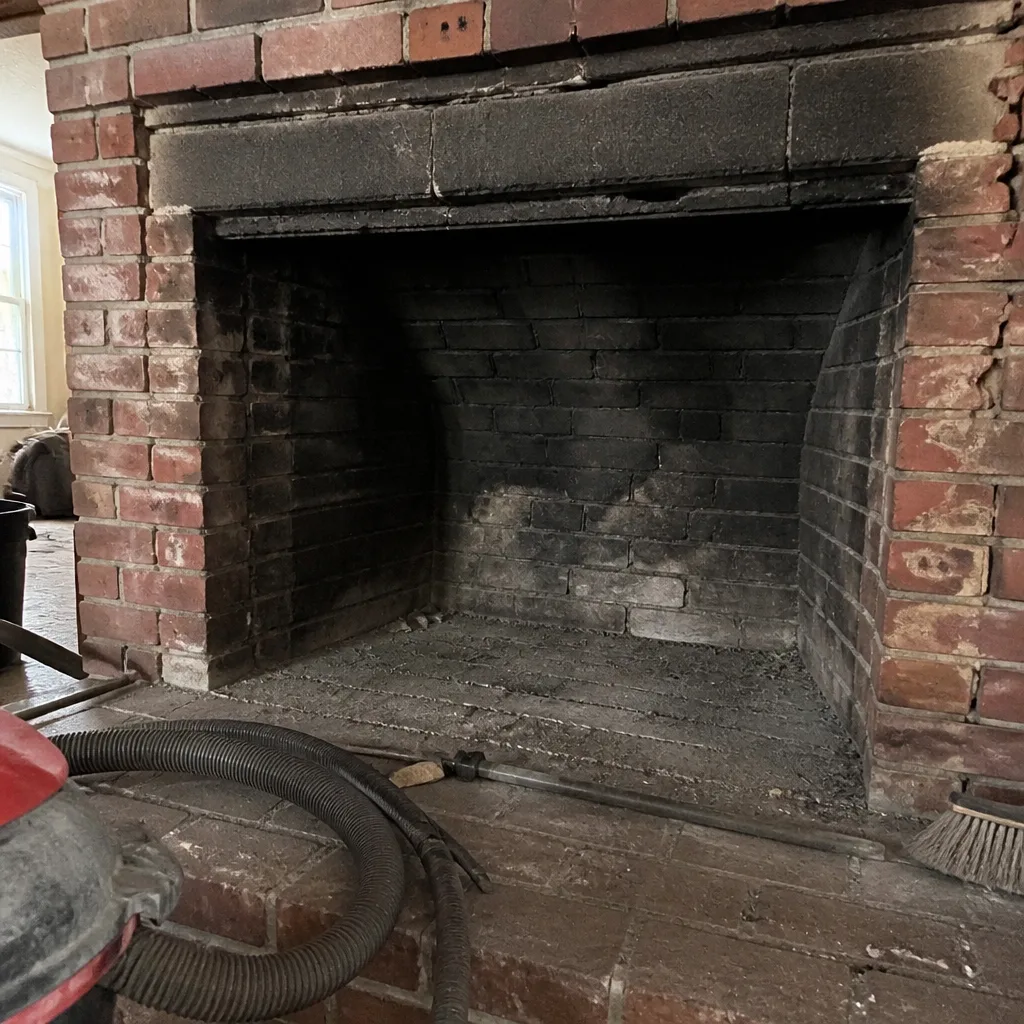 Before
 After
 Before
 After
When to Call a Professional
Some chimney work is routine and some is urgent. Routine means an annual sweep and inspection – book it before the first cold snap rather than after. Urgent means a problem you shouldn’t wait on: a suspected chimney fire, smoke backing into the room, soot falling down the flue, a smoky smell in the house with no fire lit, or visible damage to the crown, cap or masonry above the roofline. If you’ve been told by an inspector that the flue needs attention, that’s also a call. A liner or flue issue isn’t a “wait and see” – it’s a safety item, and the earlier it’s addressed, the more repair options you’ll have. Denali Chimney Sweep offers free estimates in North Charleston – call (855) 723-7039.
Frequently Asked Questions
Pricing is set per job by a written estimate, and every estimate is free, so the exact number depends on your chimney, the level of service and any repair work the inspection turns up. A cleaning plus a Level 1 inspection is quoted separately from repair work such as relining or resurfacing, and the written estimate fixes the price before we book. Call (855) 723-7039 for an exact quote – estimates are free.
Once a year if you burn wood, and every year for inspection even if you don’t. The warm, humid climate and sporadic fireplace use here make the annual visit more important, not less – cool fires leave creosote that hardens over the summer. Book the sweep ahead of the season rather than after a problem shows up. Call (855) 723-7039 to book an estimate.
Only if the inspection finds the existing liner is cracked, deteriorated or otherwise no longer sealing the flue. We don’t recommend a liner on appearance alone – the recommendation comes from camera evidence of the flue, and you see the evidence before anything is booked. When relining is needed, we install DuraFlex flexible liner systems, and the written estimate sets the final price. Call (855) 723-7039 with questions about a liner recommendation – estimates are free.
Creosote keeps building, soot and moisture sit in the flue, and the small problems that a sweep would have caught – a cracked crown, a missing cap, a failing damper – quietly become larger ones. Chimney fires and carbon monoxide problems both start as things a routine inspection would flag. Skipping a year isn’t a catastrophe, but skipping several in a row is where real repair bills come from. Call (855) 723-7039 to get the chimney back on schedule.
Yes. The cleaning method and inspection checklist differ by appliance type, but gas inserts, wood stoves and traditional wood-burning fireplaces all belong to the same service. A gas insert still needs its venting checked, and a wood stove needs its flue swept on the same annual rhythm as a fireplace. Call (855) 723-7039 and tell us what appliance you have – we’ll book the right service.
A Level 1 inspection checks every readily accessible part of the chimney and venting system – firebox, damper, smoke chamber, flue, crown, cap and flashing – using ordinary hand tools. A Level 2 adds a video camera scan of the flue and inspection of accessible attic and crawlspace areas, and a Level 3 is targeted and invasive when a specific problem needs it. Which level you need depends on your situation; we’ll explain the reason before anything is booked. Call (855) 723-7039 to talk it through – estimates are free.
The Bottom Line
Chimney cleaning in North Charleston isn’t a copy of cold-climate advice with the city name changed. The climate here – warm, humid, mild winters, short heating seasons – produces a different creosote pattern, a different moisture problem, and a different repair profile. The full system deserves attention: flue, smoke chamber, firebox, damper, cap, crown and masonry. Annual cleaning and inspection catch the small problems, and the right repairs – HeatShield flue resurfacing or a DuraFlex liner where needed – resolve the larger ones. Inspect first. Repair right. No guesswork. And call us before the season starts, not after.
Ready to book? Call (855) 723-7039 for a free estimate. We answer 24/7. Fast dispatch from 7am to 7pm, Sunday through Friday.
Written by the team at Denali Chimney Sweep.