
Last updated November 15, 2026
 Sweep & inspection
 Caps & crowns
 Flue relining
 Masonry repair
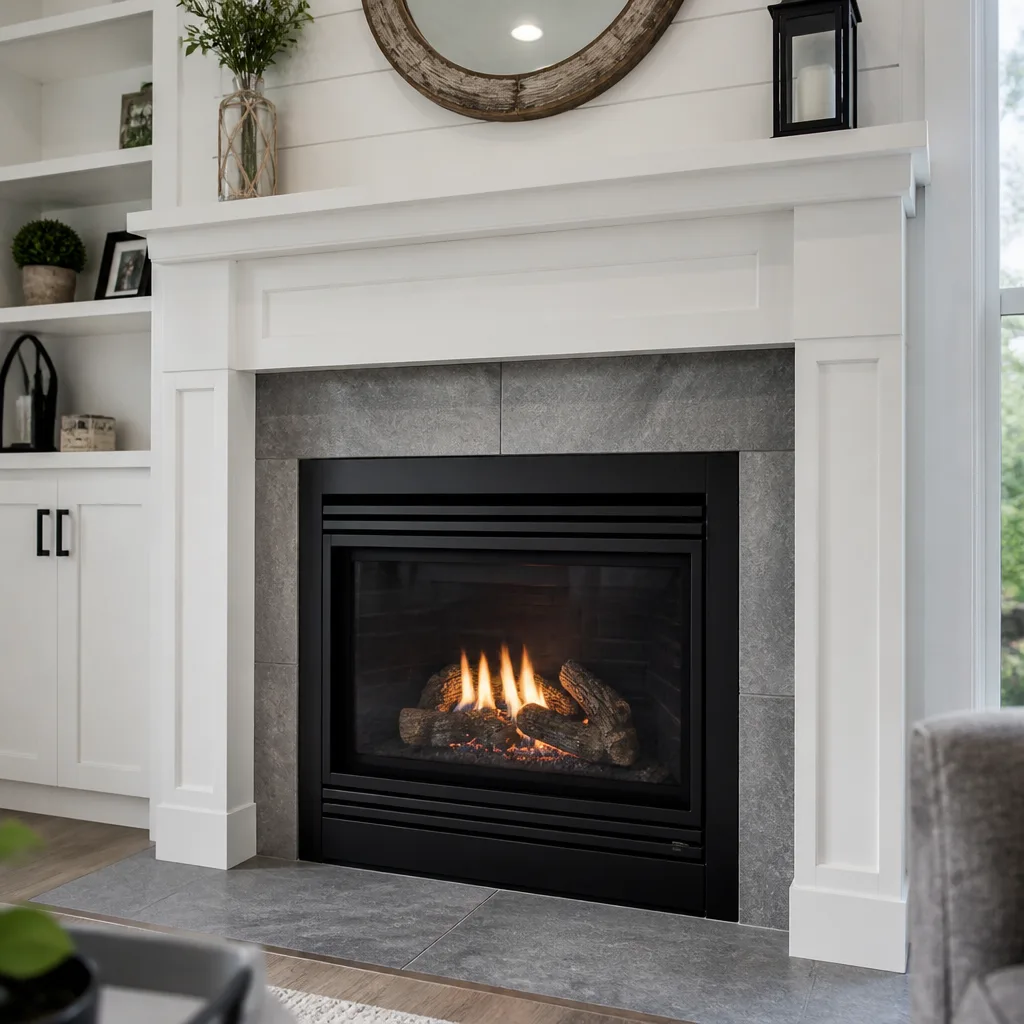 Gas fireplace service
Level 1 sweep and inspection to the NFPA 211 annual standard - flue, crown, cap, and flashing checked and photographed
Chimney sweep logs do not sweep chimneys. They loosen some creosote - which then falls where a brush and vacuum still have to collect it.
Seasonal Chimney Cleaning Care for North Charleston: Year-Round Homeowner’s Guide
The worst time to discover your chimney cap was damaged is the first cold night in November. In North Charleston, hurricane season ends just six weeks before fireplace season begins. That leaves a narrow, easily missed window to find storm damage, clear debris, and confirm the flue is actually ready for fire. Most national chimney advice tells you to sweep in fall and forget it until next year. That calendar doesn’t fit here. This guide rebuilds the seasonal timeline around Lowcountry conditions: pollen that loads the cap in spring, summer humidity that holds moisture inside the flue, storm-driven debris through the fall, and a short but intense burn period in winter. What follows is a month-by-month action plan for North Charleston homeowners.
Quick Answer
Chimney care in North Charleston doesn’t follow the standard fall-sweep rhythm. The right schedule is driven by three local forces: spring pollen and organic debris, the June-to-November hurricane season, and a short, heavy winter burn period. Inspect after any significant storm, clean before the first fire of the season, and check the cap and crown in late spring once pollen has settled. That sequence prevents the problems most homeowners in North Charleston only discover on a cold night in November.
Styles & brands we work with
- Sweep & inspection
- Caps & crowns
- Flue relining
- Masonry repair
- Gas fireplace service
Table of Contents
- Why the National Chimney Calendar Doesn’t Fit North Charleston
- Spring: Pollen, Organic Debris, and Moisture Retention
- Summer: The Tasks That Prevent Fall-Discovered Problems
- Post-Hurricane Inspection Protocol
- Pre-Season Cleaning: Why Light Users Still Need It
- Winter: The Burn Season and What to Watch
- Month-by-Month Action Calendar
- Common Mistakes to Avoid
Why the National Chimney Calendar Doesn’t Fit North Charleston
Chimney guidance written for northern climates assumes one thing: a long heating season bracketed by cold weather from October through April. That assumption breaks down in North Charleston. Our burn period is shorter and sharper. Most fireplaces and wood stoves here see concentrated use for a few months, then sit idle through a long, humid, pollen-heavy stretch. The idle season creates its own problems, and they compound quietly.
There’s a second local factor. North Charleston sits between the coast and the inland pine belt, which means spring pollen loads are heavy enough to coat screens, gutters, and chimney caps. That organic material doesn’t just sit on the surface. It traps moisture, and moisture inside a flue is the single most common driver of the deterioration we see on inspections across the city. The national advice never accounts for it.
Add hurricane season, which runs June through November. North Charleston sees strong wind-driven rain and debris during those months. A chimney exposed to that weather takes damage that won’t announce itself. You find it during the first inspection after the storm, or you find it on the first cold night when smoke backs into the room.
The takeaway is simple. A North Charleston chimney needs attention at three distinct points in the year, not one:
- Late spring, after pollen has settled, to clear the cap and check for winter damage
- After any significant storm, to inspect for wind, water, and debris intrusion
- Before the first fire, to confirm the flue is clean and clear
Everything else in this guide is built around those three anchors. Once you understand why the calendar shifts, the monthly tasks make sense.
Spring: Pollen, Organic Debris, and Moisture Retention
Spring in North Charleston brings a heavy pollen load, and a chimney cap is a pollen collector. The mesh screen catches it, along with seed pods, leaf fragments, and the fine yellow film that coats every outdoor surface. It looks harmless. It isn’t.
Here’s what happens inside a flue when organic debris accumulates:
- The cap screen clogs. Airflow drops. The flue can’t vent properly.
- Debris falls into the flue. Small pieces work their way down and settle on the smoke shelf or damper.
- Summer humidity arrives. The trapped organic material absorbs moisture from the air instead of shedding it.
- The flue stays damp longer. Creosote residue at the walls softens and re-adheres in a stickier layer.
- Deterioration accelerates. Masonry and clay tile don’t handle sustained moisture well.
By the time fall arrives, the flue that looked fine in March needs more than a sweep. In our experience, the worst spring-ignored flues are the ones that produce the biggest surprises in October. A chimney inspection in late spring catches this before summer humidity turns it into a repair.
What to check in late spring
- The cap screen: clear pollen and debris from the mesh so airflow is open
- The cap itself: confirm it’s still secured and hasn’t loosened from winter wind
- The crown: look for cracks that let water into the masonry
- The firebox and damper: clear fallen debris that will otherwise sit all summer
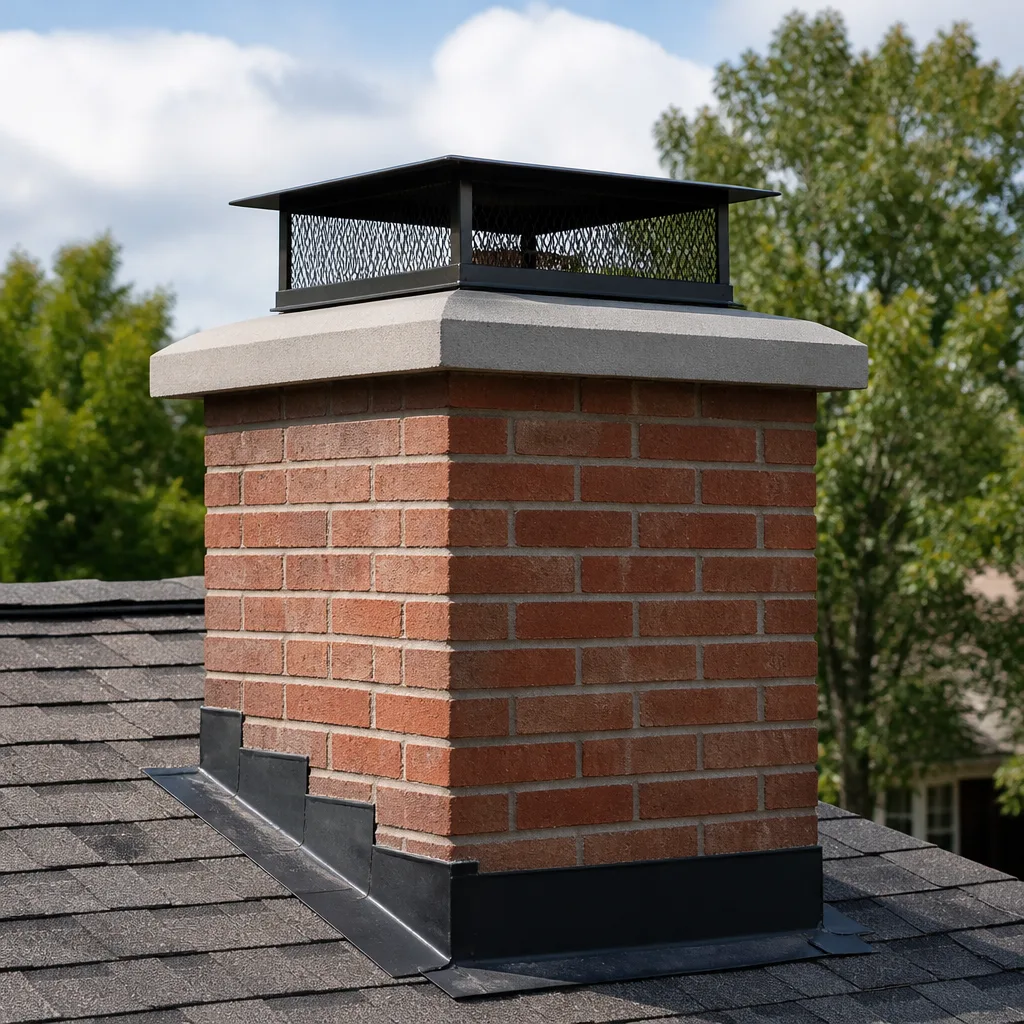
If the cap is old, loose, or undersized, this is the season to replace it. A precision-fit cap from a professional chimney brand like Gelco seals the flue top against both rain and animal entry, which is half the battle for the summer ahead.
Summer: The Tasks That Prevent Fall-Discovered Problems
Summer is when most chimney problems quietly start, and it’s also the season most homeowners skip entirely. The fire isn’t in use. Nothing feels urgent. That’s exactly why it matters.
A chimney in North Charleston goes through summer with high humidity, occasional heavy rain, and temperatures that swing. The three tasks below handle the issues that would otherwise surface in the fall:
1. Moisture check on the masonry
Look at the exterior of the chimney chase. Discoloration, efflorescence (the white powdery residue on brick), or soft mortar joints all point to moisture intrusion. These are visible from the ground with a careful eye. Catching them in July means the repair is smaller than it would be in November.
2. Flue and firebox airflow
Open the damper and confirm it moves freely. A damper that’s stiff in summer is often seized by fall. Run your hand inside the firebox to check for debris that fell through the warm months. In North Charleston’s humidity, anything organic sitting in the firebox will absorb moisture and start to break down.
3. Cap and crown seal
The cap and crown are your first defense against rain. A cracked crown lets water run into the masonry, where it freezes and expands when temperatures drop, causing spider cracks to become actual breaks. Have the crown checked in summer while repairs are simple. A HeatShield flue resurfacing job on a deteriorating flue is far less involved than a full reline that could have been avoided.
Summer chimney tasks tend to be quick. They’re also the ones we hear about most often in the fall, because skipping them is what turns a routine chimney sweep into a repair call. Book the routine work before the season turns.
Post-Hurricane Inspection Protocol
North Charleston sits in a hurricane zone, and the season runs June through November. A significant storm can land anywhere in that window, including the six-week gap between the end of hurricane season and the first fire of the year. That gap is where careless homeowners get caught.
After any significant storm, walk through the following before you light a fire:
- Look at the cap from the ground. Is it still attached? Has it been bent, shifted, or torn loose? A damaged cap lets rain and debris straight into the flue.
- Check the crown for new cracks. Wind-driven rain can find cracks you didn’t have before the storm.
- Look for debris on the roof. Pine straw, branches, and leaf load can end up on the chase or against the cap.
- Check the firebox for water stains. Any water that found its way in during the storm will show up here.
- Look for masonry shifts or new gaps at the roof line. Storm movement rarely announces itself, but flashing failure is common.
- Smell the firebox. A strong, sour, or smoky smell that wasn’t there before the storm points to water sitting inside the flue.
If any of those checks turn up a problem, don’t light a fire until a professional has looked at it. A compromised flue is not a safe flue. If everything looks solid, schedule a professional inspection anyway if a storm did significant damage to the area. The visible exterior isn’t the whole story; the flue interior needs a camera to truly confirm condition. That’s part of what a proper chimney repair assessment includes.
One more note for North Charleston: hurricane season and burn season overlap slightly. A late-season storm can hit right when you’re ready to burn. That’s why the post-storm inspection and the pre-season cleaning are separate tasks, not one combined pass.
Pre-Season Cleaning: Why Light Users Still Need It
If you only light a handful of fires a year, you might assume pre-season cleaning is unnecessary. In North Charleston, it isn’t. Here’s why.
A chimney that gets light use with long idle periods between fires accumulates something called glaze. It’s a hard, shiny layer of creosote that forms from slow, cool-burning fires and extended idle time. Glaze is harder to remove than powdery creosote, and it’s the most dangerous form because it’s highly flammable. Ironically, light users often produce more glaze than heavy users, because their fires tend to run cool and their flues have long stretches of idleness that let the deposits cure on the walls.
The seasonal gap adds a second reason. Between the end of the previous burn season and the start of the next, debris, pollen, and storm intrusion have had months to accumulate. Even a flue that was clean in February can have a fine coating by October. That’s not because you burned a lot. It’s because the flue was open to the air.
Pre-season cleaning is the single highest-value task on this list for three reasons:
- It removes glaze before it cures harder. A sweep in September is easier and less expensive than a sweep in December on a glazed flue.
- It confirms airflow before the first fire. A blocked flue is a smoke-in-the-room problem, at minimum, and a safety problem at worst.
- It’s the only realistic time to catch a liner problem. The liner can only be assessed properly while the flue is accessible.
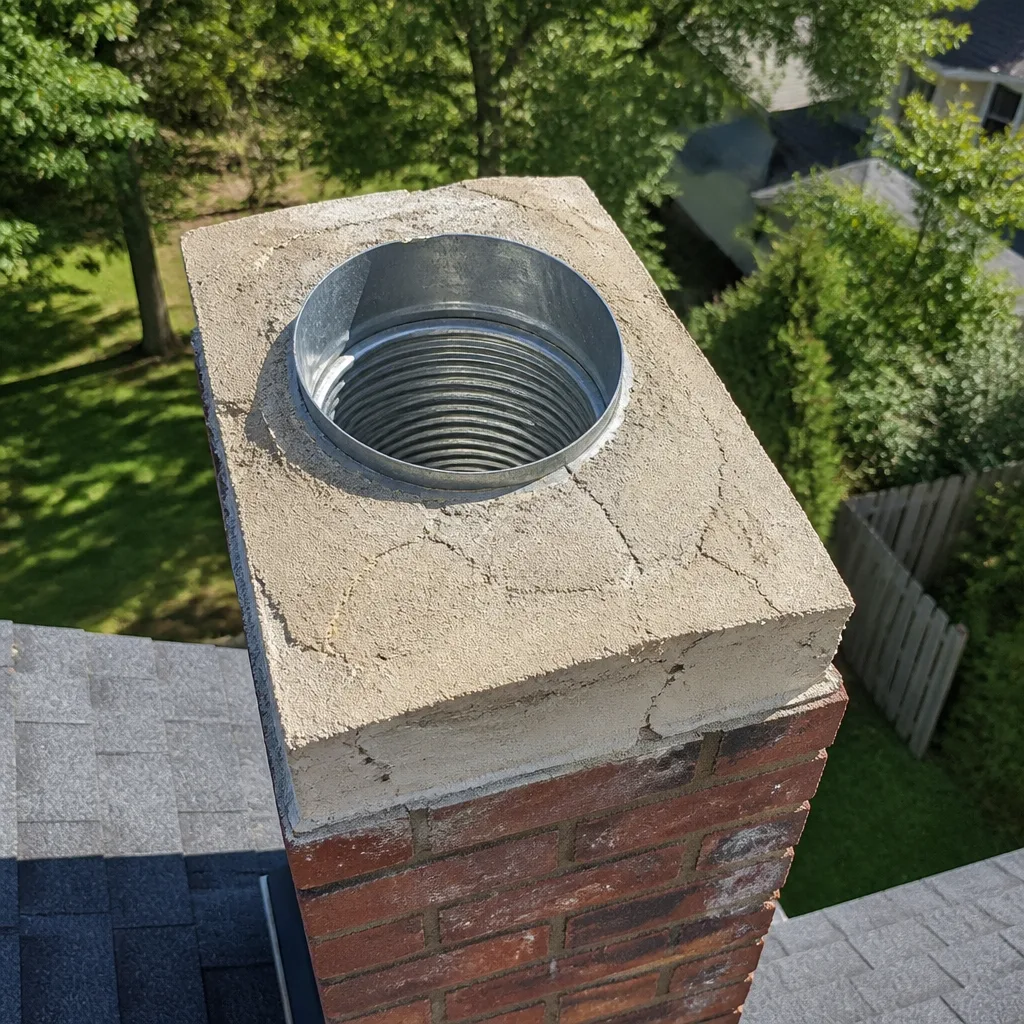
That last point matters. A flue liner that was fine last winter can crack over summer from moisture and thermal cycling. On a masonry chimney, a damaged liner means heat and combustion gases are moving into the wrong space. We install DuraFlex flexible liner systems for full relining when a liner needs replacing, and we see the issue most often in flues that went into the burn season unchecked.
Winter: The Burn Season and What to Watch
North Charleston’s burn period is short but intense. Fires happen in concentrated bursts, often on the coldest nights of December through February. That pattern creates a specific risk: the flue heats quickly, runs hot, then cools fast. Repeated cycling is hard on masonry and clay tile.
What to watch during the burn season
- Smoke backing into the room at first light. This points to a flue blockage or a damper issue, not a weather problem.
- Weak draft that improves as the fire grows. Can signal a partially blocked flue or a liner that’s shifted.
- A rumbling, popping sound at fire start. Small creosote ignition events can sound like that. If you hear it, stop burning and have the flue inspected.
- Unusual smell inside the house when the chimney is cold. A sour or smoky smell that isn’t coming from the firebox usually points to a flue or liner issue.
- Visible smoke outside around the cap area. Draft that isn’t lifting smoke high enough to disperse points to airflow issues.
One rule matters more than any other: don’t burn again after an unexplained sound, smell, or draft change until the flue is checked. The safety risk is real, and the cost of ignoring it is much higher than the cost of an inspection. That’s the event we most often see turned into a mid-winter emergency repair, and a North Charleston winter is cold enough that you want the chimney ready, not diagnosed under pressure.
Month-by-Month Action Calendar
Here’s the calendar rebuilt for North Charleston conditions. The exact timing isn’t rigid, but the sequence is.
January and February
- Burn season is active. Watch for the warning signs listed above.
- If you haven’t had a pre-season inspection, this is the time to schedule the sweeps and inspections you missed in the fall.
- Keep an eye on the firebox for unusual smells or weak draft.
March and April
- Burn season is winding down, but storms are still possible.
- Schedule a post-season inspection if the chimney worked hard through winter.
- Clear the firebox and remove ash before spring pollen starts.
May and June
- Pollen season is here. Clear the cap screen and check the mesh.
- Look at the cap and crown for any winter damage.
- Confirm the damper moves freely.
- Book a chimney inspection in late spring to check the flue interior.
July and August
- Check the masonry exterior for efflorescence, cracks, or soft mortar.
- Clear anything that fell into the firebox over the summer.
- Hurricane season is active. Re-check the cap after any significant storm.
September and October
- This is the pre-season cleaning window. Book it before the first fire.
- Have the flue camera-inspected to confirm the liner is intact.
- If a repair or a liner replacement is needed, this is the time to schedule it.
November and December
- Hurricane season ends November 30. If a storm has moved through, run the full post-hurricane inspection protocol before lighting the first fire.
- Confirm the cleaning and inspection are done before the burn season ramps up.
- Replace or repair the cap if any storm shifted it.
That calendar captures the year in one view. There’s one more seasonal factor to add: the change in temperature itself. Cold snaps in North Charleston can arrive quickly. A chimney that hasn’t been checked since spring doesn’t get a warning before you want a fire.
Common Mistakes to Avoid
- Treating hurricane season as over on November 1. It ends officially on November 30. A late storm in that window can hit while you’re already thinking about Thanksgiving fires, and the damage won’t show until you light one.
- Skipping the summer check because the chimney isn’t in use. Summer humidity is when the most damaging moisture-driven deterioration takes hold. Waiting until fall means the damage has had four months to progress.
- Assuming light use means no cleaning. Cool, occasional fires produce glazed creosote faster than regular hot fires. A single glowing ember of glaze is enough to ignite deposits in a flue.
- Ignoring the cap because the chimney still drafts. A partly clogged cap still lets enough air through to run a fire, but it’s already trapping moisture. The clogs don’t announce themselves until the draft drops enough to make a fire smokey.
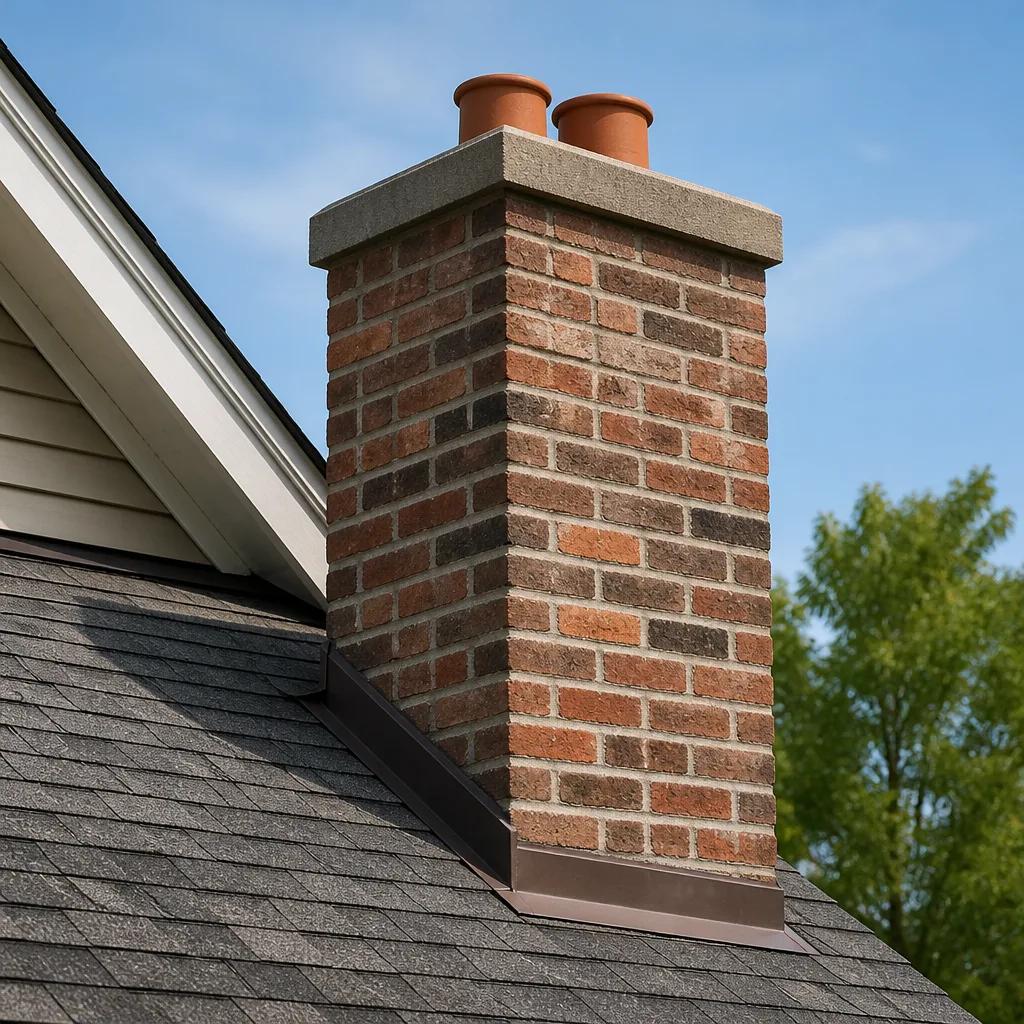
- Cleaning the flue but not checking the crown. A cracked crown is the most common water intrusion path in North Charleston’s climate. A sweep alone misses it. That’s why we inspect the whole chimney system, not just the flue interior.
- Burning again after a sound or smell change. If the chimney does something new, don’t test it with a fire. Have it checked. The cost of an inspection is small next to a mid-winter emergency repair.
- Using a generalist handyman for a specialist job. Sweeping is only part of the work. Liner assessment, crown repair, and resurfacing require specialist tools and materials. A generalist might sweep, but won’t have the equipment or the branded systems a chimney specialist carries.
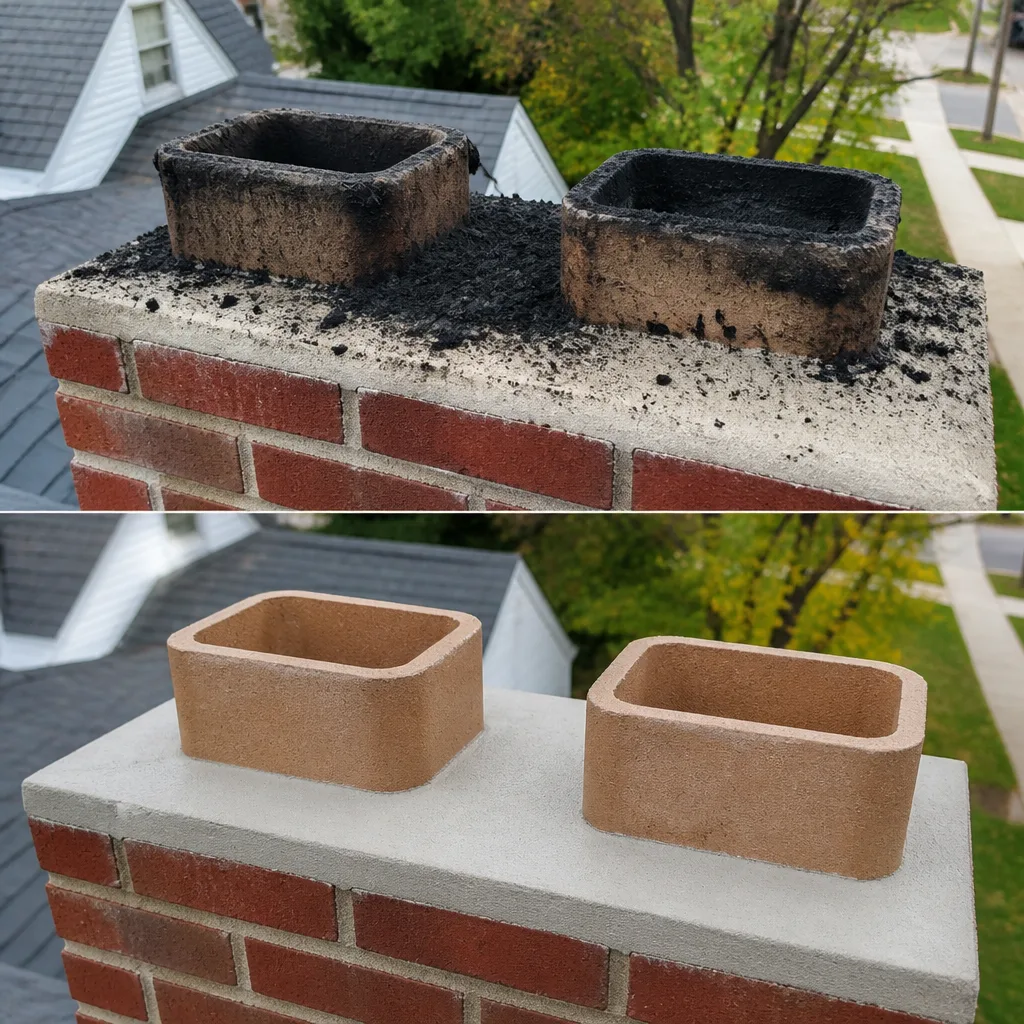
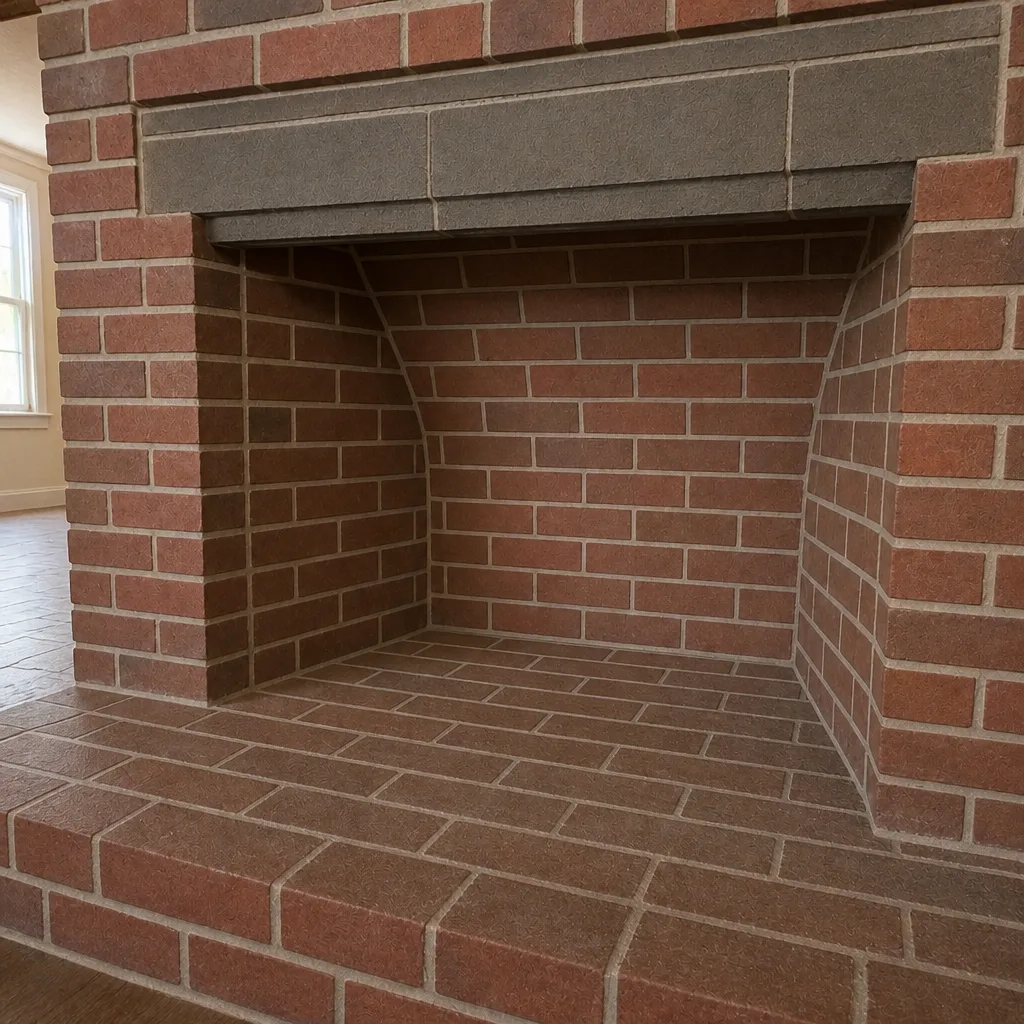
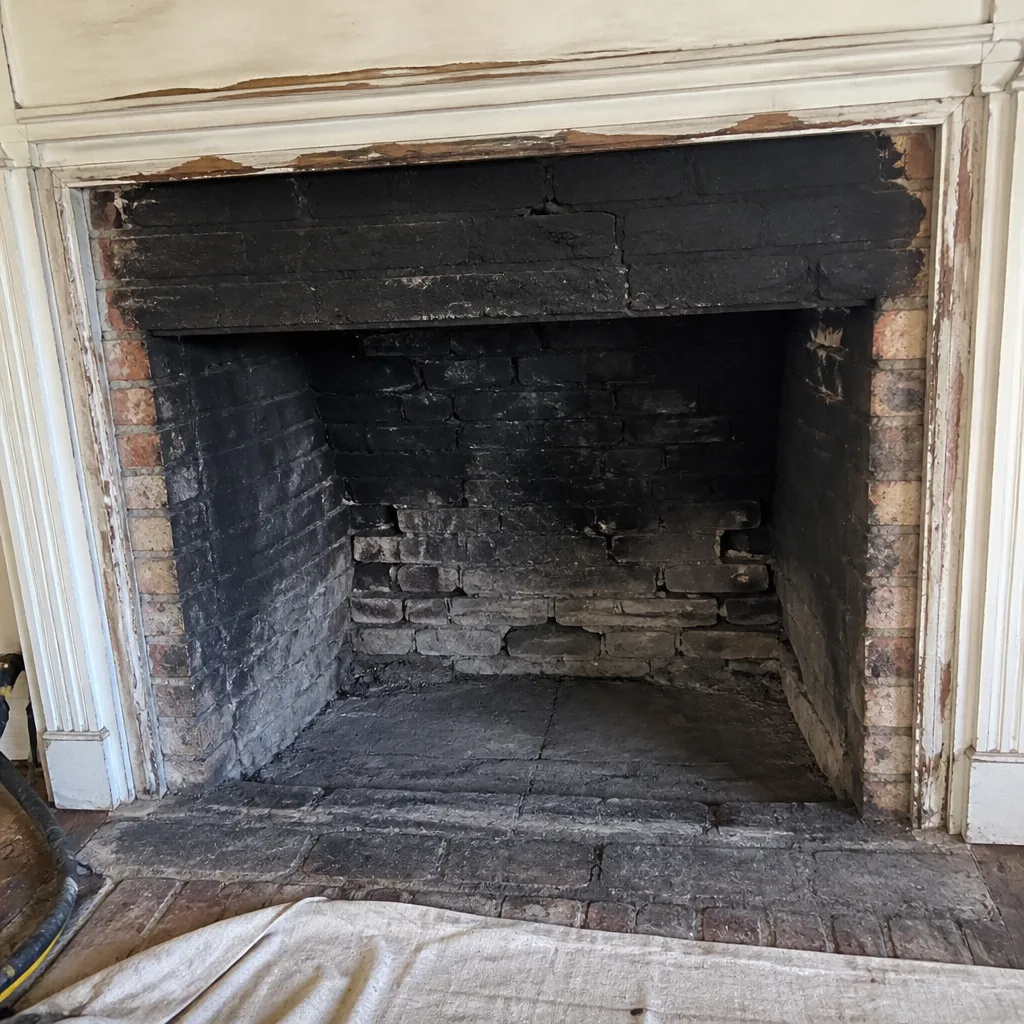
See the difference
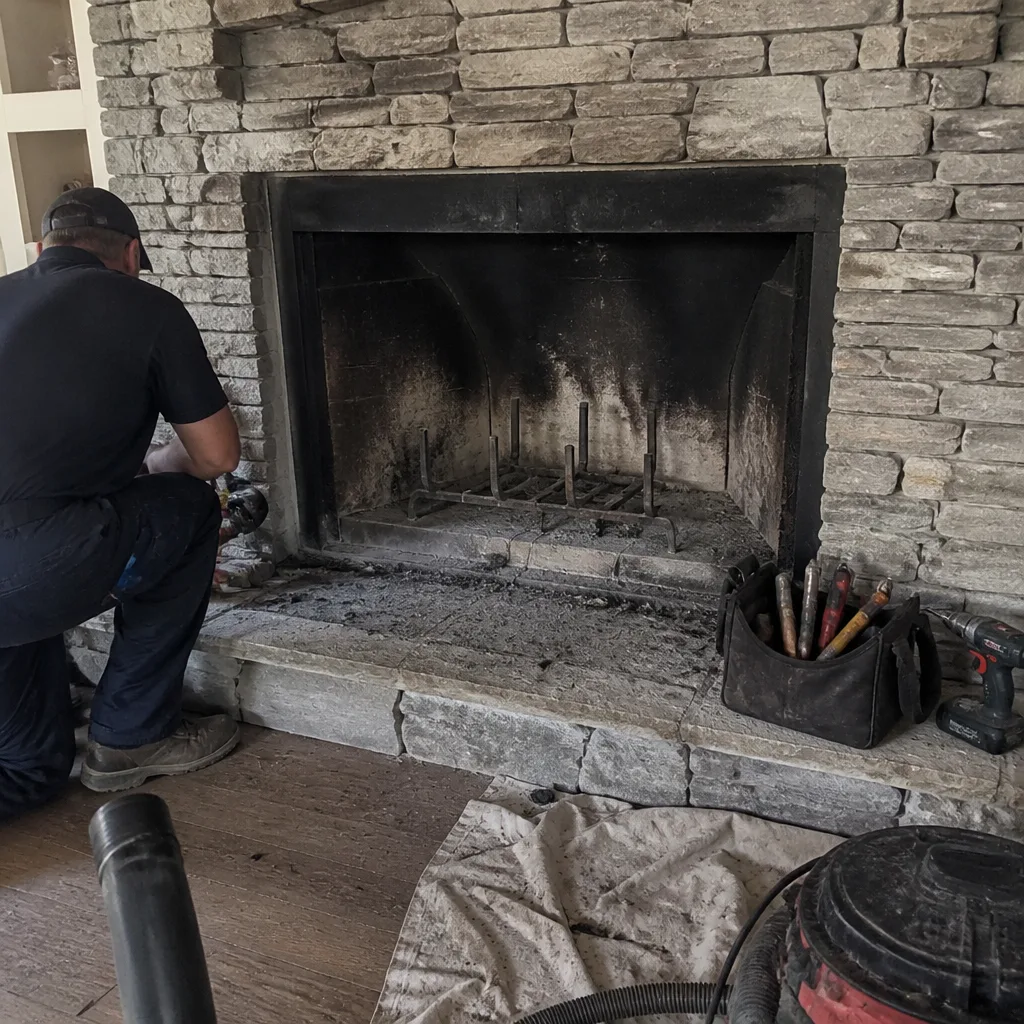 Before
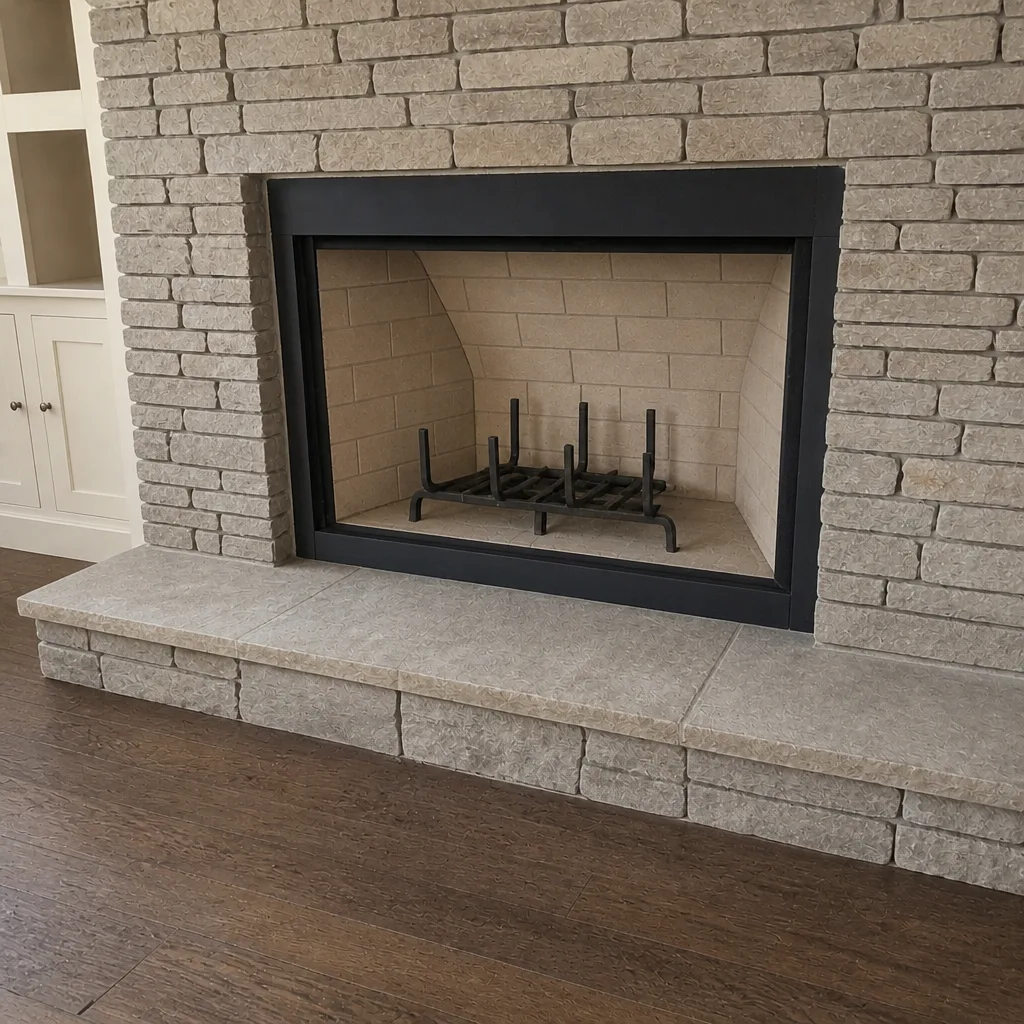 After
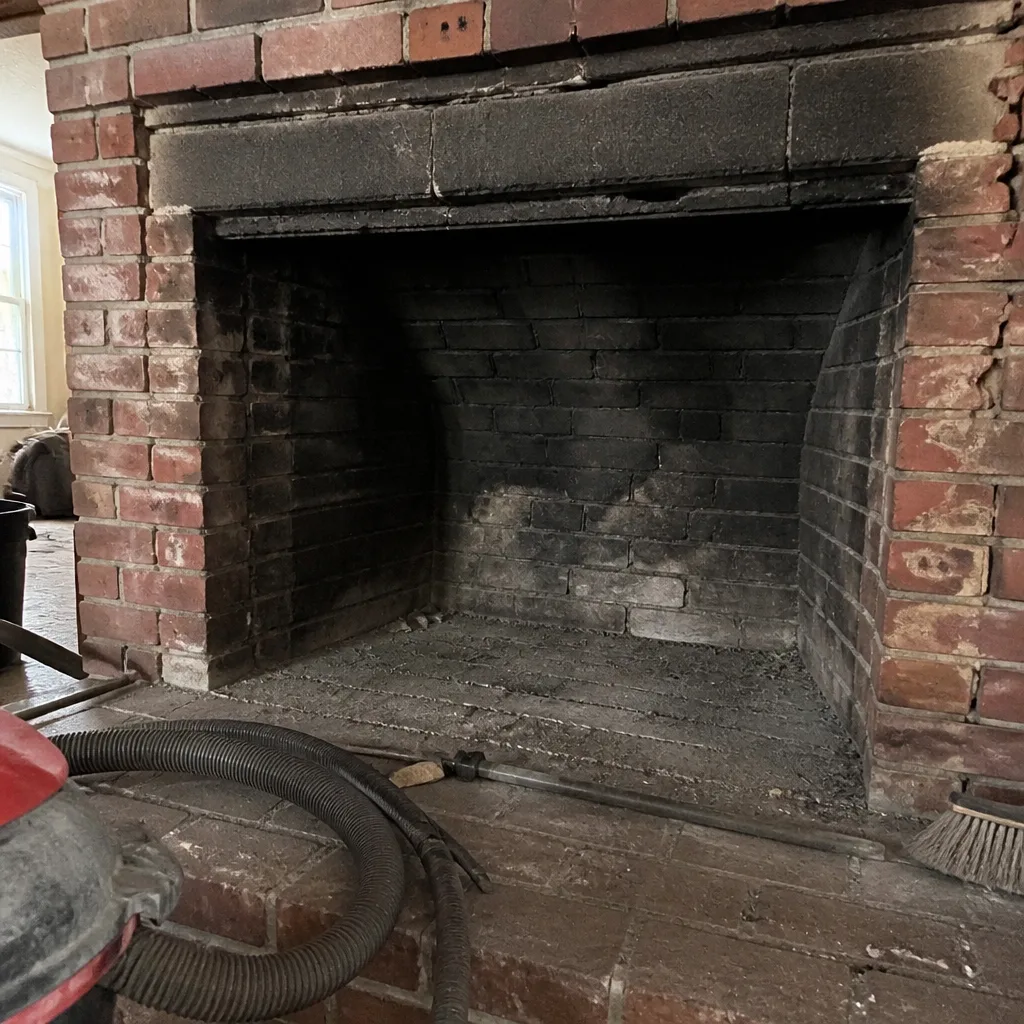 Before
 After
 Before
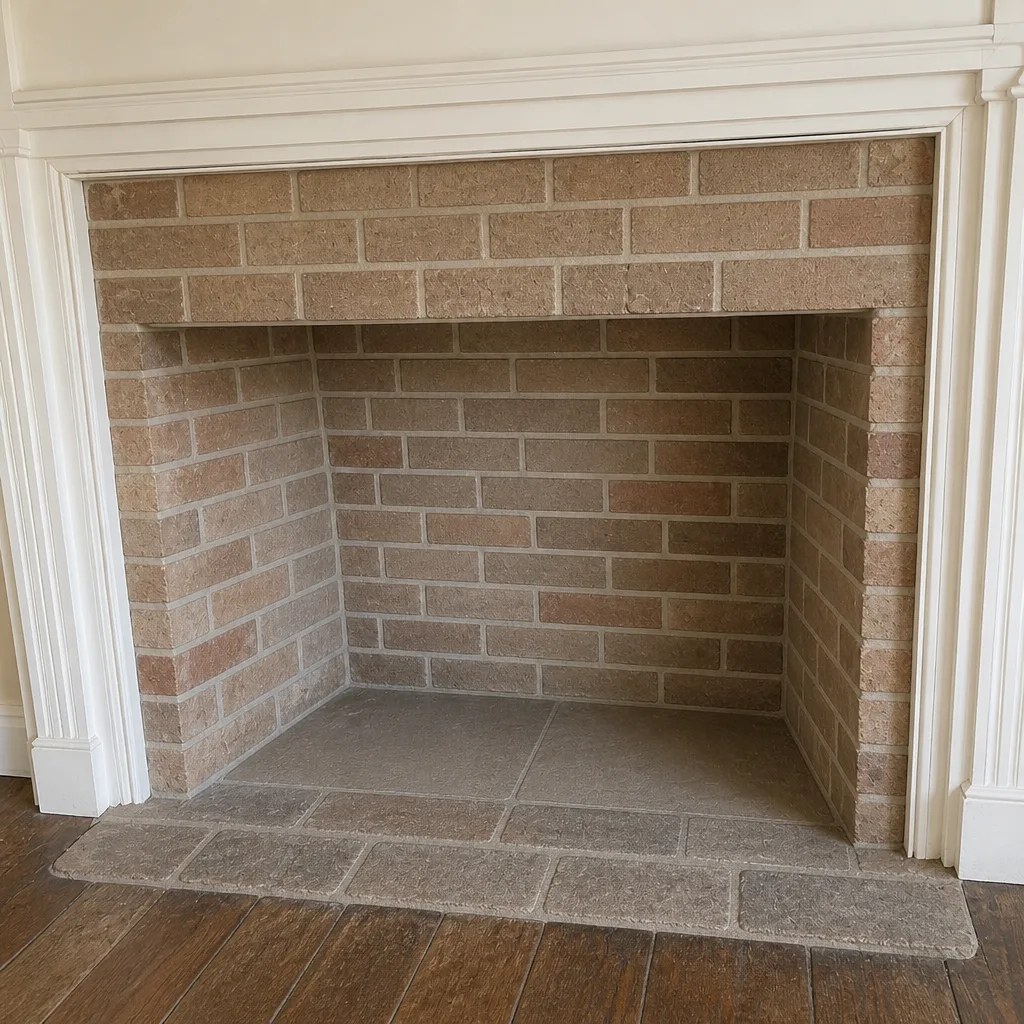 After
When to Call a Professional
Some jobs are doable on your own. Others aren’t. Here’s a clear cut:
Call us immediately if: you see smoke backing into the room at fire start, you hear popping or rumbling at fire start, you smell something unusual coming from the firebox, or a storm has done visible damage to the cap, crown, or chase. Those are all cases where the chimney should not be lit until it’s been assessed.
Call for scheduled work: any time the calendar above flags a season, and before the first fire of the season if the chimney hasn’t been inspected in the last year. A Denali Chimney Sweep technician can sweep, inspect, and repair within the same visit. That’s the reason we exist as a chimney-only company: the same team handles the whole arc.
Denali Chimney Sweep offers free estimates in North Charleston, and we use our phones 24/7 with fast dispatch from 7am to 7pm, Sunday through Friday. Call (855) 723-7039.
Frequently Asked Questions
Once a year if the fireplace or wood stove sees regular use, and once a year even for seasonal or occasional burners. Because North Charleston’s burn season is short and concentrated, we recommend putting that annual sweep in the late summer or early fall, right before the first fire. The annual pre-season sweep confirms airflow and catches liner issues while the fix is simple. Call (855) 723-7039 to book a sweep, or to talk through whether your usage calls for a different schedule.
Only when the existing liner is genuinely compromised, and no honest chimney professional should say otherwise without camera evidence. A cracked or deteriorated flue liner is a real safety issue on a masonry chimney, but a liner that’s intact and properly sized doesn’t need replacing. When a replacement is warranted, we install DuraFlex flexible liner systems so the flue interior is restored rather than patched. Ask for the camera findings before you commit to relining. Call (855) 723-7039 for a scheduled inspection and we’ll walk you through what the camera shows.
Creosote builds up on the flue walls, which raises the risk of a chimney fire, and the flue stops venting properly, which raises the risk of smoke and carbon monoxide entering the living space. In North Charleston’s climate the risk is compounded by the spring-to-fall idle period, when pollen and organic debris are trapped in the flue and hold summer humidity against the masonry. The result is a flue that needs more than a routine sweep by the time fall arrives. A cleaning before the burn season keeps you ahead of that. Call (855) 723-7039 for a free estimate.
A chimney sweep is a per-job service priced by written estimate, and the exact cost depends on the flue condition, the fuel type, and whether any debris needs removing before the sweep. Because we’re a chimney specialist rather than a generalist, the quote covers the entire chimney system, not just a brushing. Book with us and the estimate is free, so the number is written down before any work begins. Call (855) 723-7039 for a free estimate specific to your flue.
Right after any significant storm, and crucially before the first fire of the season. Hurricane season runs June through November, and North Charleston’s first cold snap can follow within weeks. That leaves a short window to inspect the cap, crown, and flue for wind-driven debris, water intrusion, and masonry damage. The sooner the inspection happens after the storm, the more likely any issue is caught before it becomes a repair. We answer 24/7 and dispatch from 7am to 7pm, Sunday through Friday, so call (855) 723-7039 to schedule an inspection anywhere in North Charleston.
No. A damaged cap lets rain, debris, and animals into the flue, and in North Charleston’s climate the moisture that enters over a wet fall and winter can trigger the very liner problems you’d otherwise avoid. A cap replacement is a straightforward job with a precision-fit brand like Gelco, and it’s much less involved than repairing a moisture-damaged flue. If the cap was damaged by a storm, schedule a replacement before the burn season. Call (855) 723-7039 for a free estimate on a cap replacement.
The Bottom Line
North Charleston’s chimney maintenance calendar is driven by local conditions, not by generic seasonal advice. Spring pollen and heavy organic debris load the flue cap and trap summer moisture. Hurricane season delivers storm damage that has to be checked before the first fire. The short winter burn period makes pre-season cleaning essential even for light users. The annual sequence is: inspect in late spring after pollen settles, check after every significant storm, clean and inspect in early fall before the first burn, and stay alert through winter for the warning signs that mean stop burning. If you take one thing from this guide, make it the pre-season cleaning. It’s the task that prevents the most expensive problems, and it’s the easiest to book before you need it. We’re a chimney specialist, not a generalist, and we treat your chimney as a system rather than a single sweep.
Ready to get your chimney on the North Charleston calendar? Call Denali Chimney Sweep at (855) 723-7039 for a free estimate. We answer 24/7. Fast dispatch from 7am to 7pm, Sunday through Friday.
Written by the team at Denali Chimney Sweep.