
Last updated November 15, 2026
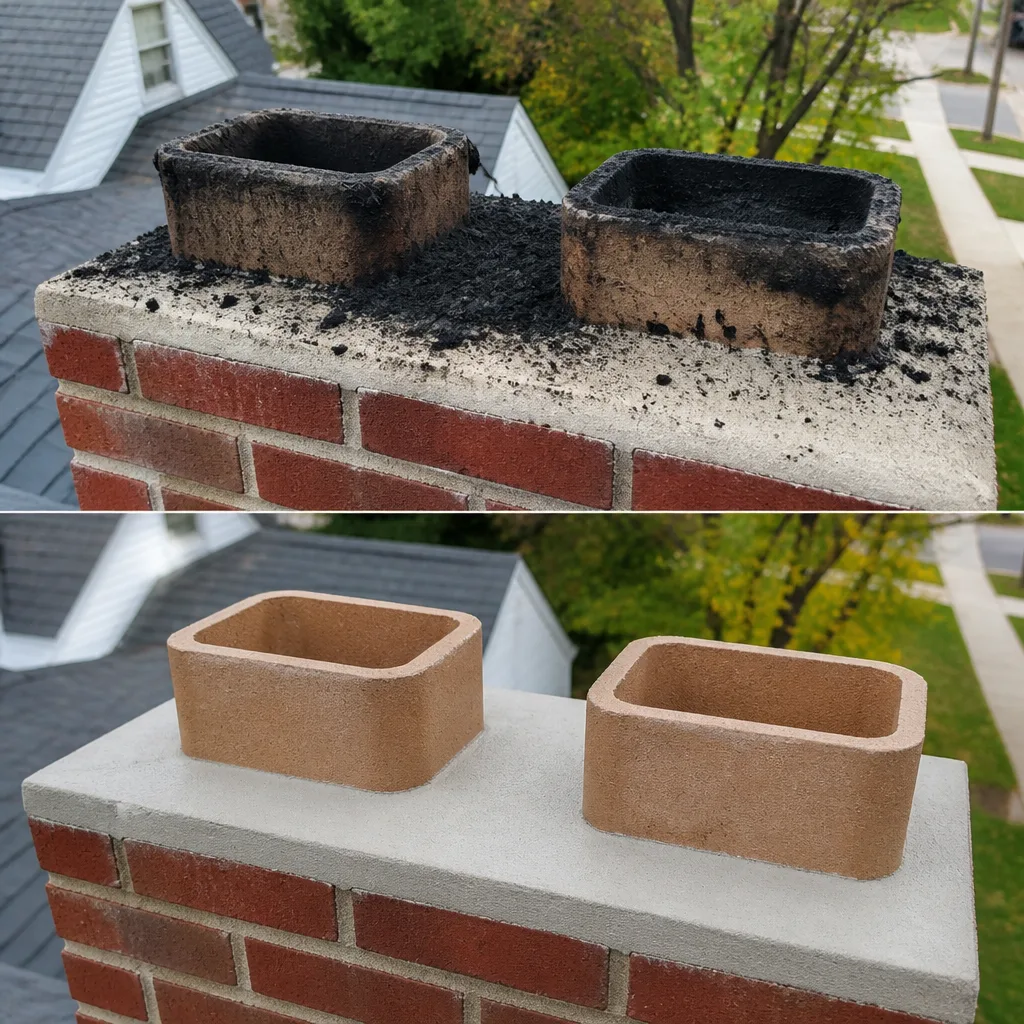 Sweep & inspection
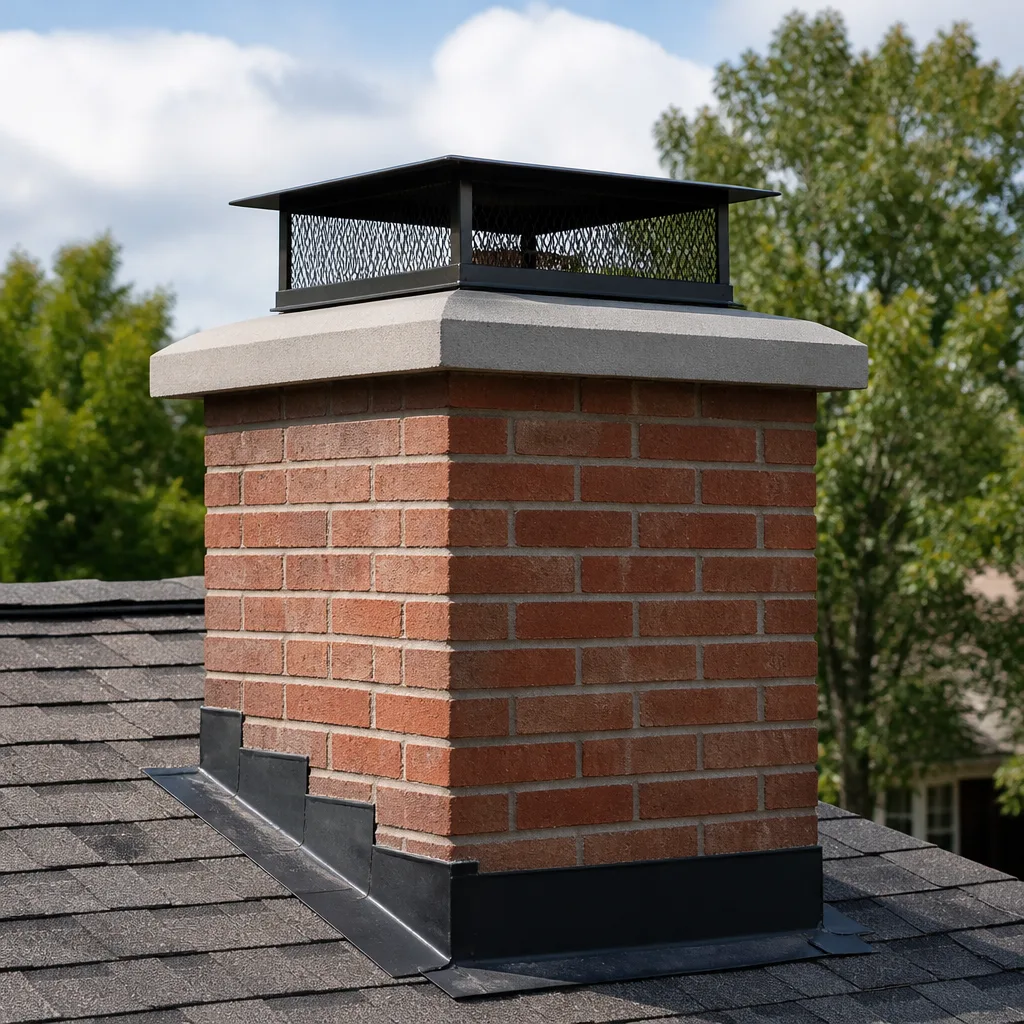 Caps & crowns
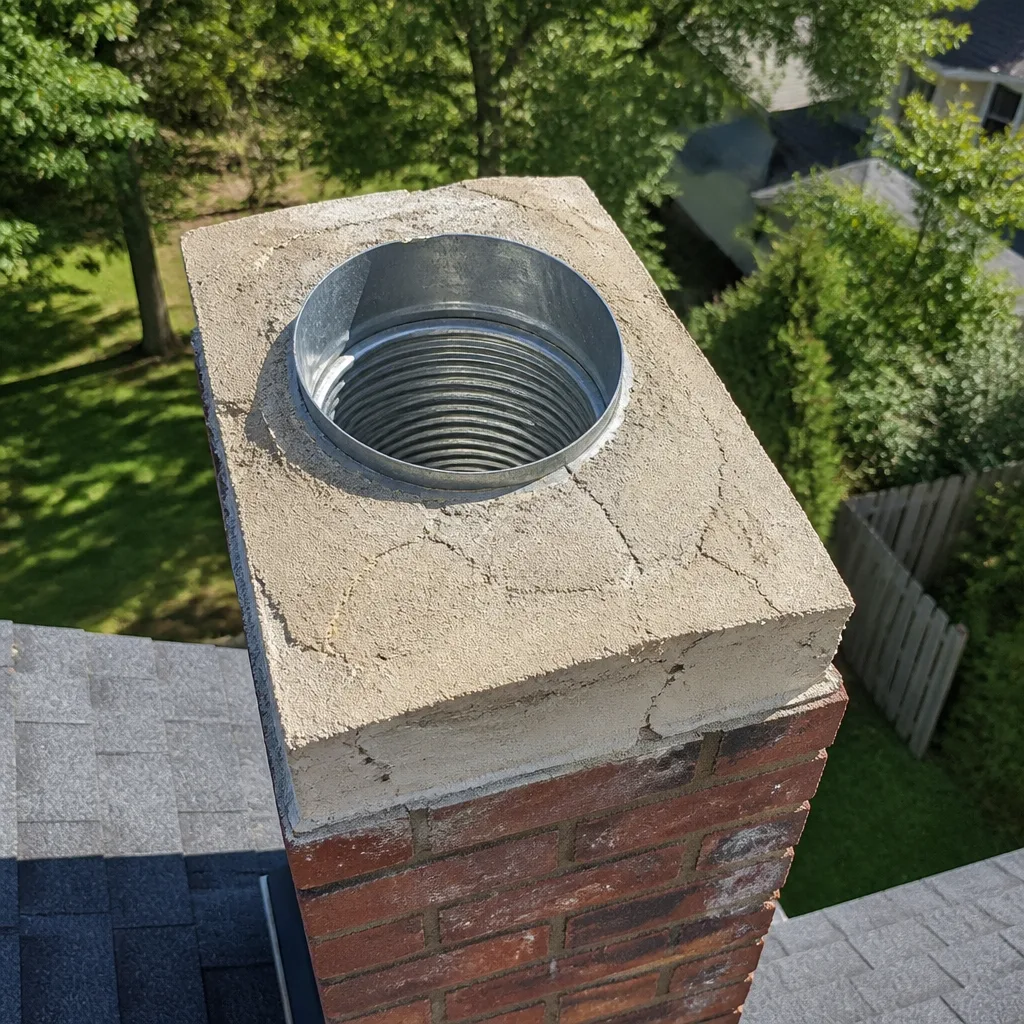 Flue relining
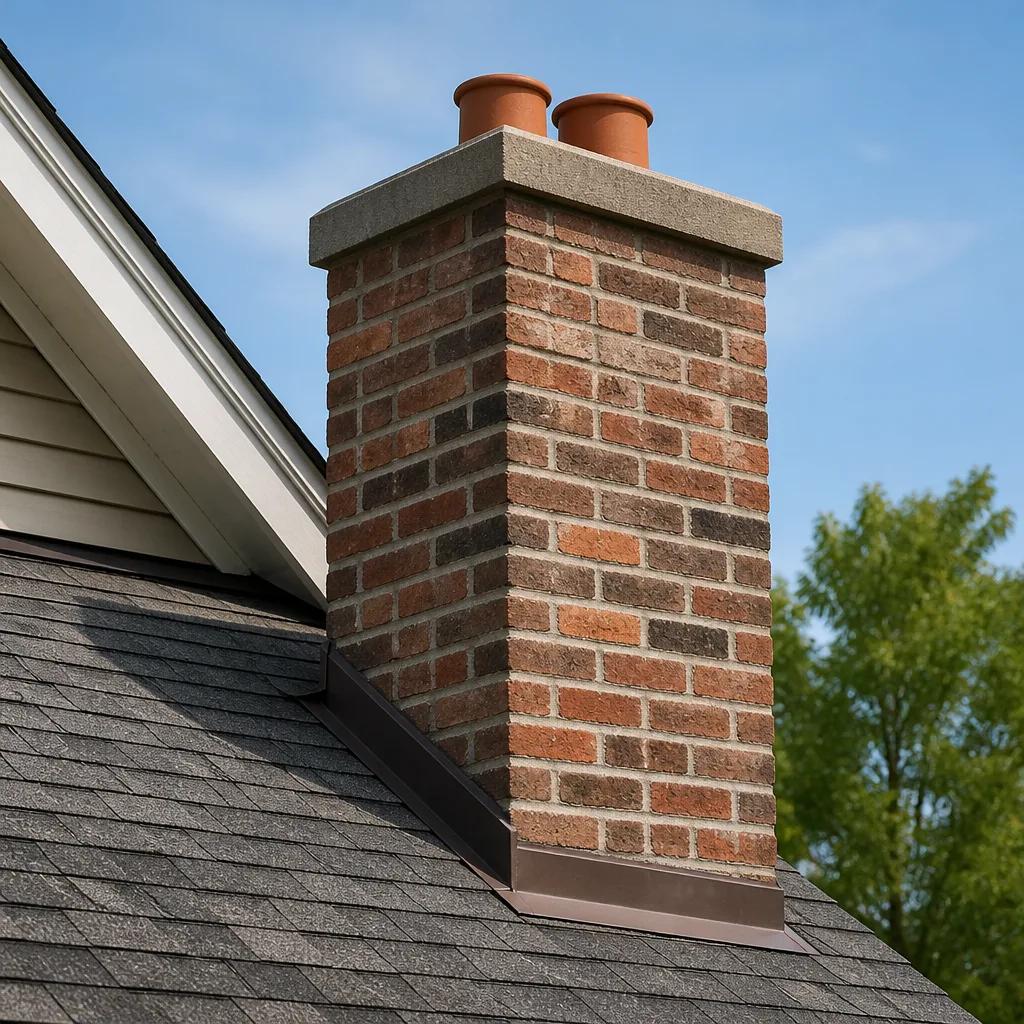 Masonry repair
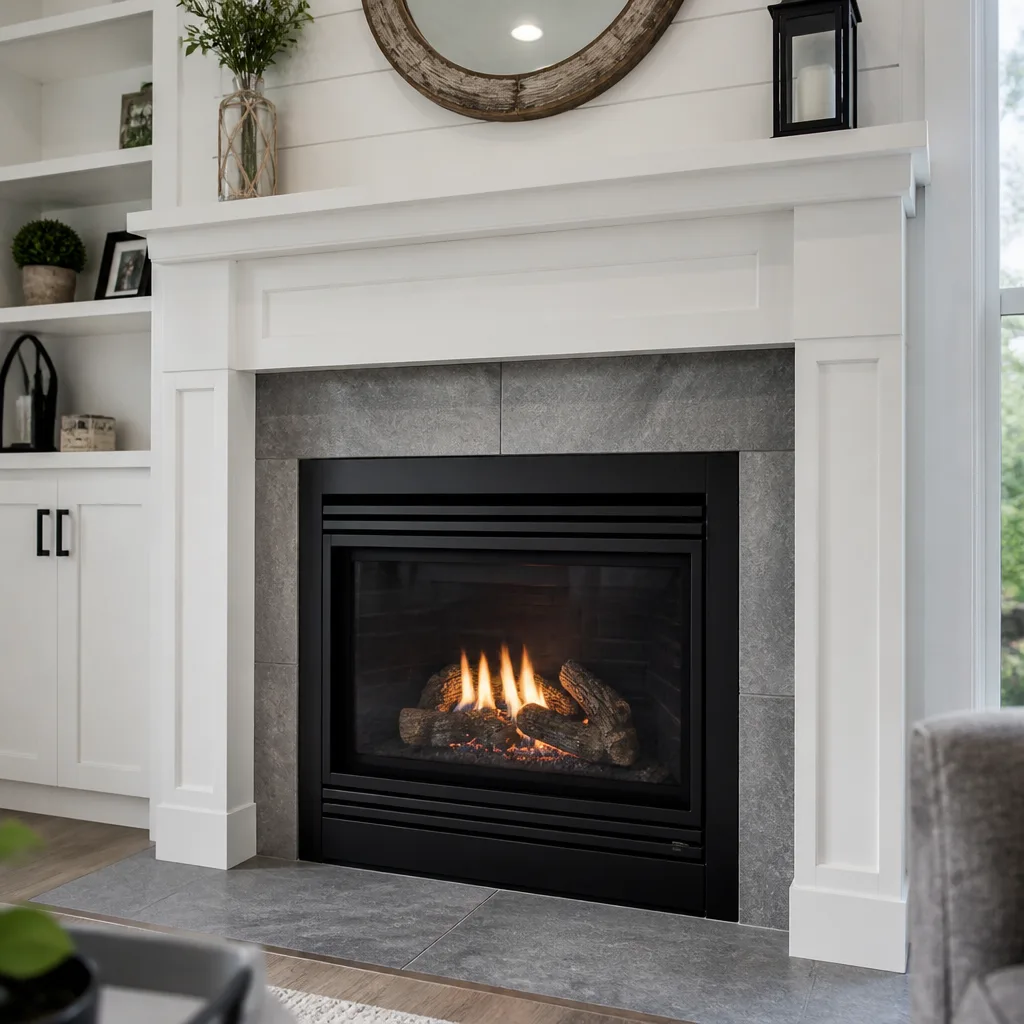 Gas fireplace service
Level 1 sweep and inspection to the NFPA 211 annual standard - flue, crown, cap, and flashing checked and photographed
Chimney sweep logs do not sweep chimneys. They loosen some creosote - which then falls where a brush and vacuum still have to collect it.
Chimney Cleaning Emergency Preparedness Guide for North Charleston Homes
Most homeowners picture a chimney fire as a roar with flames licking out of the top of the stack. In our experience, the quiet version is far more common: a low crackling that sounds a lot like the fire you already have going, a flue pipe that feels too hot to touch, a thin hiss, or a puff of dark smoke coming from somewhere it shouldn’t. People wait for the dramatic version before they act, and that delay is what turns a contained flue fire into cracked masonry and a chimney that can’t be used at all. A chimney emergency in North Charleston also doesn’t always come with fire. Carbon monoxide from a blocked or failing flue is invisible, and the response is different in almost every way. This guide separates those two scenarios and gives you a specific protocol for each.
Quick Answer
A chimney emergency in North Charleston falls into one of two categories: an active chimney fire or carbon monoxide intrusion, and each requires a different response. For a chimney fire, call 911, get everyone out, and don’t run water into the firebox. For suspected carbon monoxide, leave the house immediately, get fresh air, and call for help before you call anyone about the chimney.
Styles & brands we work with
- Sweep & inspection
- Caps & crowns
- Flue relining
- Masonry repair
- Gas fireplace service
Table of Contents
- Quick Answer
- How to Tell a Chimney Fire From Normal Combustion
- What to Do in the First 60 Seconds of a Chimney Fire
- Carbon Monoxide Scenarios Specific to North Charleston Homes
- What to Tell the Fire Department and What Not to Do
- Post-Event Protocol: Why a Chimney That Survived Can’t Be Used
- Pre-Season Emergency Preparation for Every Fireplace Home
- When to Call a Professional
- Common Mistakes to Avoid
- Frequently Asked Questions
- The Bottom Line
How to Tell a Chimney Fire From Normal Combustion
The single hardest call in chimney safety is deciding whether what you’re hearing is the fire you meant to build or something happening inside the flue that you didn’t. A healthy firebox is noisy: wood pops, the draft pulls, and the whole thing has a rhythm that rises and falls as you add wood. A chimney fire has a different signature – it tends to keep going and sometimes seems to get louder when you stop feeding it.
The signs that should stop you cold
- A low, persistent crackling or popping coming from inside the chimney, not the firebox. Put your hand near the flue or throat of the fireplace: if it’s much hotter than the fire alone would explain, treat it as a fire.
- A rumbling, humming or low roaring sound that a closing damper doesn’t quiet.
- Sparks or flames visible at the top of the chimney when you step outside.
- Dense or dark smoke, or a puff of smoke escaping into the room around the damper, stove door, or flue joints.
- A powerful hot smell inside the house that’s sharper than normal wood smoke.
- Creosote flakes or pieces of black material on the roof or in the yard near the chimney top, which indicate the flue lining has shed debris.
Two of these signs together is enough to act. You don’t need to confirm a chimney fire before you get people out of the house. In North Charleston homes where the masonry chimney sits behind an older wall, the sound of the fire may be muffled enough that a homeowner only notices the heat coming off the face of the chimney. When in doubt, treat the situation as a fire.
If your chimney has never been swept and the flue has built up a layer of creosote, the fire risk is higher because that fuel is already sitting in the flue. A chimney sweep removes that buildup before it becomes the ignition source. If you’re not sure when the chimney was last cleaned, a Level 2 inspection before you start burning for the season is the right starting point.
What to Do in the First 60 Seconds of a Chimney Fire
The first minute of a chimney fire is where the outcome is decided. Most of the damage from a chimney fire is not from the flame itself – it’s from the heat cracking the liner, breaking flue tiles, or warping a metal flue. Every second the fire burns inside the flue adds to that. The following steps are the order we recommend:
- Call 911. Don’t wait to see if the fire puts itself out. A chimney fire is a fire inside your house’s structure and the fire department is the only party that can confirm it’s extinguished.
- Get everyone out of the house and to the street or yard, away from the chimney side of the house.
- Close the glass doors or the firebox door if you can do it safely on the way out. Cutting off air to the firebox slows the fire.
- If the fire is in the firebox only and you have a fire extinguisher rated for the fuel present, you may use it. Do not open a wood stove or insert door and throw water inside – the steam and sudden pressure can damage a hot flue or send ash out into the room.
- Don’t spray water on the face of a hot masonry chimney or the flue pipe. Thermal shock cracks clay tile liners and masonry, which turns a fire event into a structural repair.
- If you can, close the damper once the fire in the firebox is slowing, but don’t reach into a hot firebox.
- Get the garden hose to the roof only if it can be done safely, and don’t climb a wet or icy roof. That’s a job for the fire department.
In our experience, the biggest mistakes made in the first minute are running outside to look at the chimney top before calling 911, and pulling the burning wood out of the firebox into the room. Neither helps. Call first, then exit.
Carbon Monoxide Scenarios Specific to North Charleston Homes
A carbon monoxide (CO) problem from a chimney is a different emergency with a different response. A chimney fire is loud, hot, and hard to miss. CO is invisible, has no smell, and can build up in a closed house while the homeowner feels nothing but a vague headache. In North Charleston we see two CO scenarios repeatedly: a blocked chimney cap, and deteriorated liner joints in an older masonry flue.
Blocked caps after storms
The chimney cap and the spark arrestor screen at the top of the flue are vulnerable to the weather that comes through North Charleston, from summer thunderstorms to the drenching rain and wind of late summer. A cap that is knocked askew, or a screen packed with debris, nests, or leaves, can block the flue. With the flue blocked, exhaust has nowhere to go but back into the house. The result is CO seeping into the living space whenever the fireplace, stove, or gas appliance is running. A blocked cap should be treated as a CO risk, not just a chimney performance problem, and a cap that takes on water and rusts can fail to do its job at all. That’s why we install caps from Gelco, which holds up to the weather and seals the top of the flue properly.
Deteriorated liner joints in older masonry
A clay tile liner is made of short sections stacked on top of each other. Over time, and especially after a chimney fire or a long stretch with no cleaning, the joints between tiles can crack, shift, or open up. When that happens, exhaust can escape through the liner wall into the masonry and then into the house. At the same time the house is losing its draft, the CO has a path into the living space. This is one of the reasons a Level 2 inspection with a camera is the standard for any older masonry chimney in North Charleston before you call it ready for another season. If the joints are deteriorated, a full reline with a DuraFlex flexible liner system restores a continuous, sealed flue and closes the path.
If you have any fuel-burning appliance vented through a chimney in North Charleston – wood fireplace, gas insert, wood stove, furnace – you need a working CO alarm on every level of the home and in the sleeping area. That’s the front line.
What to Tell the Fire Department and What Not to Do Before They Arrive
When you call 911, the dispatcher needs to know it’s a chimney fire and which part of the house is involved. Here’s the information to have ready:
- That it’s a chimney fire, not a general house fire, and where you think it started (firebox, flue, top of the chimney).
- Whether you see flames or smoke at the top of the chimney from outside.
- What was burning – wood, gas, pellets – and how long the fire has been going.
- Whether anyone is still inside, and whether anyone has symptoms of smoke inhalation or CO exposure.
- The house entrance the fire department can use, and whether there’s a gate or a dog.
- Whether the chimney cap is blocked or you can see visible damage to the chimney.
- Whether anyone in the household is on oxygen or has a mobility issue.
What not to do before they arrive
- Don’t go back inside to retrieve belongings.
- Don’t open windows near the firebox to “air it out.” A house full of smoke needs the fire department’s ventilation, not yours.
- Don’t flood a hot flue with water or spray a masonry chimney down.
- Don’t assume the fire is out because the sound stopped. A flue fire can burn in pockets inside cracked tile or behind masonry, and the only way to confirm it’s out is for trained people to inspect it.
- Don’t run another appliance or a fireplace until the chimney is inspected after the event.
One protocol worth knowing: after the fire department has finished, ask them whether they noticed damage to the flue or chimney at the roofline, and write down what they saw. Their report is useful when you call us for the inspection.
Post-Event Protocol: Why a Chimney That Survived Can’t Be Used
Here’s the counterintuitive rule that matters more than almost any other in this guide: a chimney that has survived a fire cannot be used again until a Level 2 inspection is completed. From the outside, a chimney that just went through a fire looks fine. Inside the flue, the heat has been far higher than the flue was designed for. Clay tiles crack, mortar joints open, metal flue pipes warp or separate, and the chimney’s internal dimensions change enough that the draft is unreliable. A chimney in that condition may still draw, which fools homeowners into thinking it’s fine – and then sends CO into the house or feeds the next fire.
A Level 2 inspection means a camera is run through the flue. It’s the only way to see the inside. The inspector can show you the condition of the liner joints, the state of the firebox, and whether the chimney structure above the roofline has been affected. In our experience, the inspection tells you which of three paths you’re on:
- Minor damage that’s limited to a sweepable level of debris and soot, with intact joints. The chimney can be cleaned and returned to service with no repair.
- Cracked or open joints in the clay tile liner. A reline with a new liner is needed before use.
- Structural damage to masonry, firebox, or cap. Repair work is needed, and the chimney stays out of service until it’s complete.
You should also expect to see the camera footage for yourself before any work is proposed. We photograph what the camera sees and give you a written report. That’s the standard we hold, and it’s the answer to the most common worry we hear: that someone will tell you the chimney needs thousands of dollars of work and you’ll have no way to verify it. You do have a way – the camera evidence and a written estimate.
We handle chimney repair in North Charleston as one of our three core services. That includes relining with DuraFlex flexible liner systems and flue resurfacing with HeatShield, so the repair path after a fire is handled by the same specialist who did the inspection. We also work with materials from Olympia Chimney, Famco, and Copperfield, all established supply lines in the chimney trade, which matters when a repair needs to last another generation of fires.
Pre-Season Emergency Preparation for Every Fireplace Home
Emergency preparedness for a chimney is mostly about things you do before the season starts, not during the emergency. North Charleston homes have a long burning season from the first cool nights of fall to the early spring, and by the time you’re burning regularly it’s harder to fix a problem than to prepare for one. Here’s the equipment we recommend every fireplace and wood stove household has on hand:
- Carbon monoxide alarms on every level and in the sleeping area. Test them before the season and replace the batteries on the manufacturer’s schedule. This is the only thing that will alert you to a flue problem that has no smell.
- A fire extinguisher rated for the fuel present. For a wood fire you want a Class A extinguisher, and for a home with gas appliances or wood stoves, an ABC-rated extinguisher covers more. Store it within reach of the fireplace, not on the other side of the room, and know how to use it before you need it.
- Damper key access. A fireplace with a damper key or a chain damper lever needs to be reachable without moving furniture or feeling around on the ceiling of the firebox. If yours is stuck or missing, have it addressed at your next sweep.
- A chimney brush and rod on hand for nothing. We don’t recommend homeowner brushing – the reason is in the next section – but you should know exactly where your flashlight, extinguisher, and CO alarm test button are.
- A phone charger or backup battery if your only phone is a cordless one that dies when the power is out. During a fire, the power may be shut off by the fire department.
- A visible house number so the fire department can find you quickly.
Schedule the pre-season sweep and inspection
The single most effective emergency preparation is a professional sweep and inspection before the season starts. A sweep clears the creosote that feeds a fire. A Level 2 inspection with a camera finds the failed cap, the opened joint, or the cracked tile that hasn’t yet caused a problem. Getting both done before the first cold night is how you avoid an emergency in January. If you’ve been burning for years without a sweep, the pre-season inspection is even more important because the flue has had longer to accumulate creosote and develop wear.
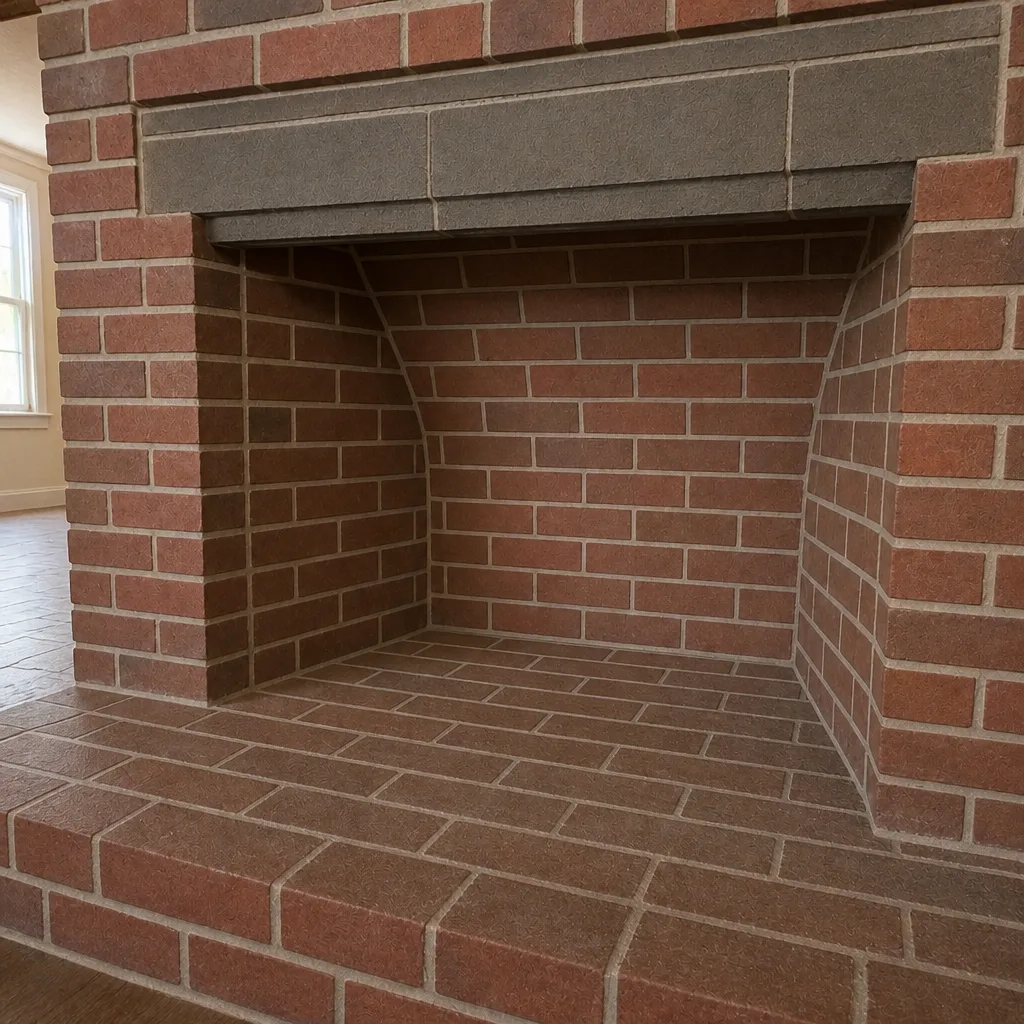
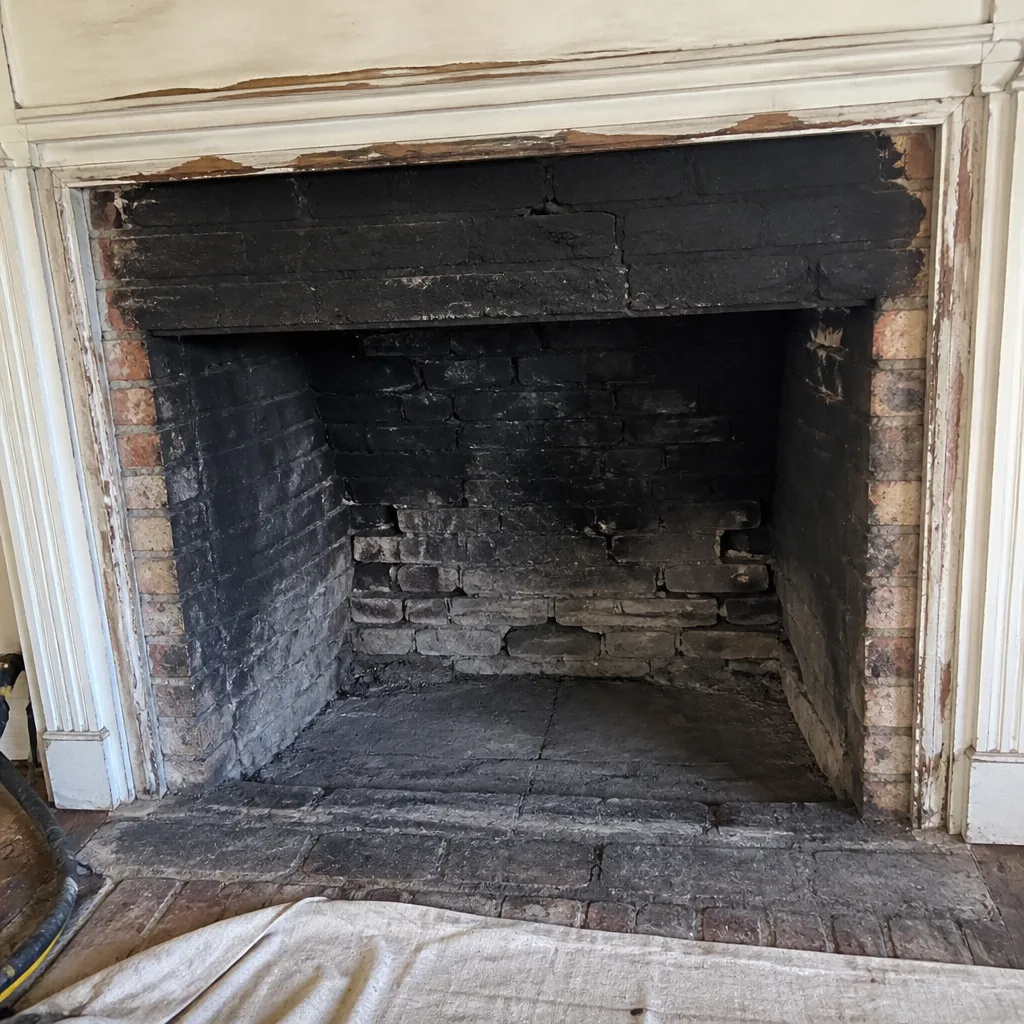
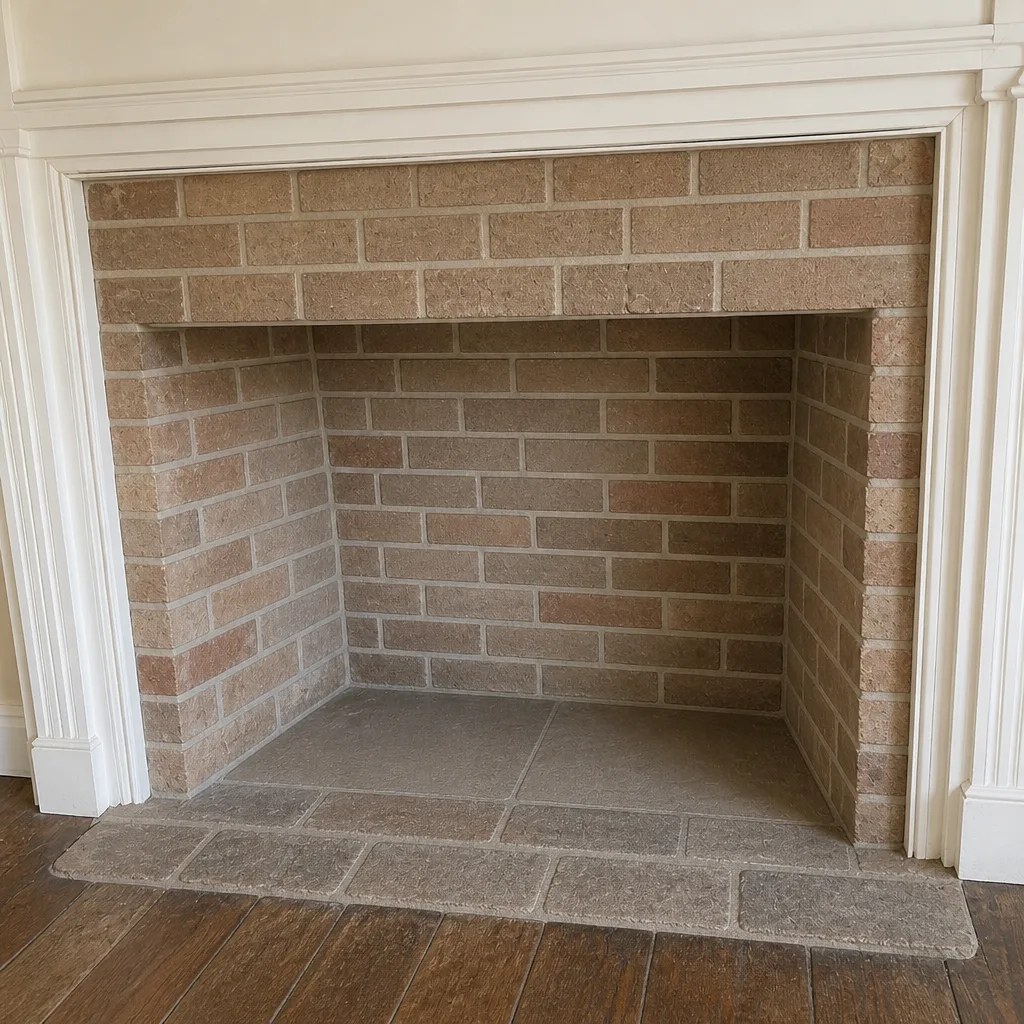
See the difference
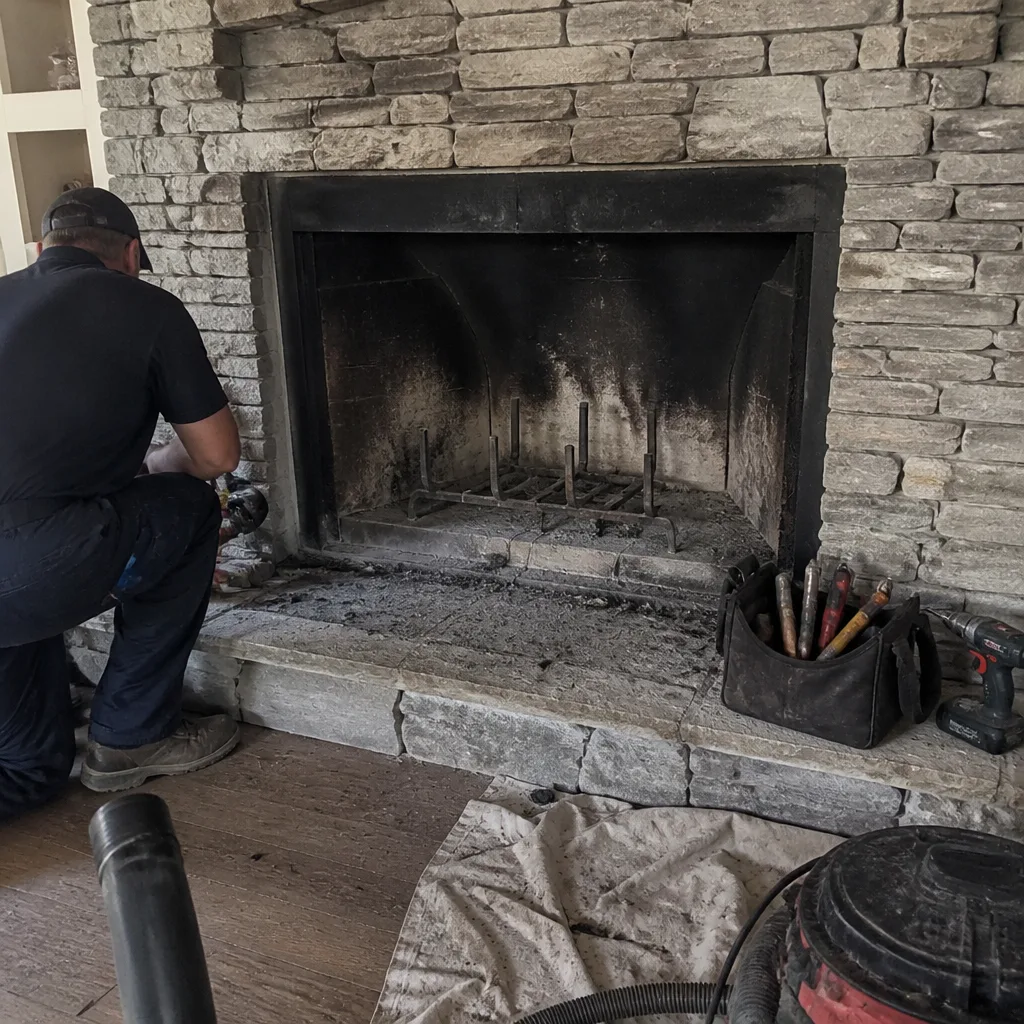 Before
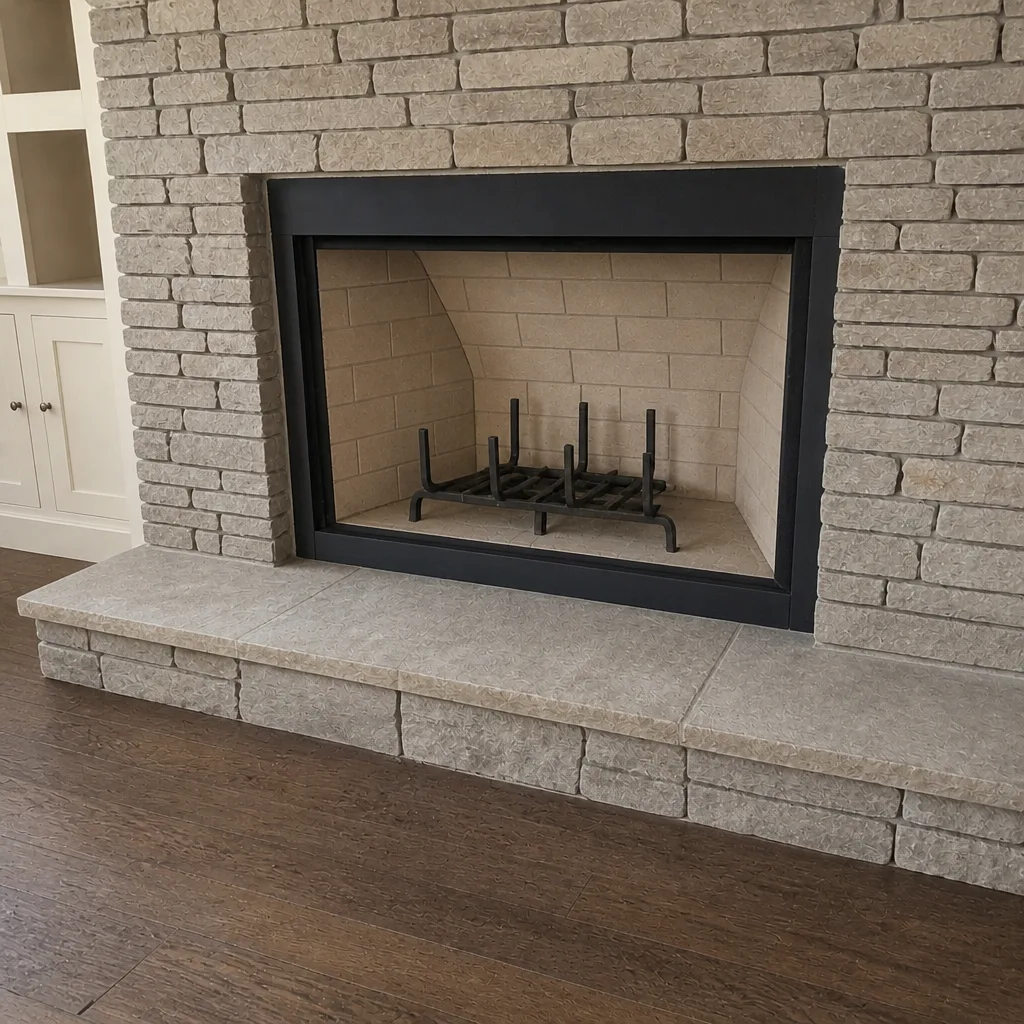 After
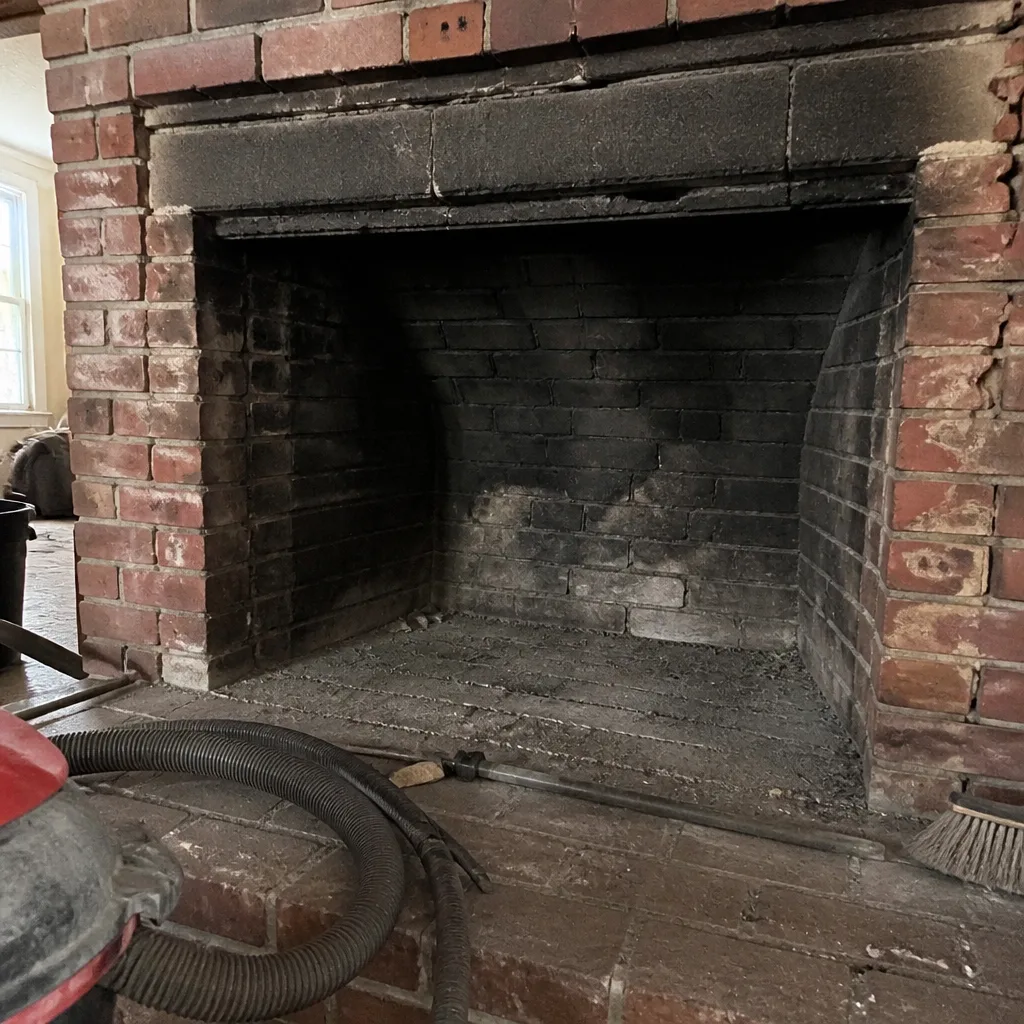 Before
 After
 Before
 After
What’s Different About North Charleston Chimneys
Chimneys in North Charleston weather differently than chimneys in colder, drier parts of the country. The area gets heavy summer rain and heat, and a masonry chimney that was built decades ago has been through a lot of thermal cycling: hot in summer, hot in winter, wet in spring and fall. That cycling is what opens mortar joints and hairline cracks in the masonry and in the flue tiles. A chimney that looks solid from the driveway can have a crown that has cracked, a cap that has rusted, or a firebox that has eroded. The other North Charleston reality is age. Many of the homes in the older parts of the city have masonry chimneys that were never relined with modern materials. That doesn’t mean they’re unsafe – it means they need an inspection before the season rather than an assumption that they’re fine.
We treat your chimney as a system, not a single sweep. The cap, the crown, the flue, the firebox, and the damper are all part of one assembly, and a failure in any part can cause an emergency in another. Our three services – chimney sweep, chimney repair, and inspection – all work on the same system, and the same specialist team handles all three. Our technicians have up to 14 years of experience in chimney work. When you call Denali Chimney Sweep, you’re calling a chimney-only specialist, not a generalist contractor who happens to own a brush.
Common Mistakes to Avoid
- Waiting for the dramatic version of a chimney fire before calling 911. A low crackle and a hot flue are enough. The firefighters would rather see a chimney fire contained early than arrive to find one that has been going for 20 minutes.
- Running water into a hot firebox or onto masonry. The thermal shock can crack the flue lining and the firebox, turning a fire event into a rebuild.
- Assuming a chimney that survived a fire is fine. It isn’t until a Level 2 inspection with a camera says it is. A chimney that still draws can still be unsafe.
- Skipping the CO alarm because you only burn a wood fireplace. A blocked cap or a failed liner joint sends CO into the house from a wood fire just as surely as from a gas appliance.
- Letting a cap stay damaged after a storm. A knocked-off or blocked cap on a North Charleston home is a CO risk and a draft problem. Have it checked before the season if summer storms have hit the roofline.
- Sweeping your own chimney with a brush from the hardware store. It’s not the brushing that’s the risk – it’s what a homeowner can’t see: the cracked tile, the failed cap, the opened joint. That’s what an inspection finds.
- Letting a generalist contractor sell you a full reline without camera evidence. A reline is sometimes the right answer, but you should see the footage before you agree to it. Ask for the camera report.
When to Call a Professional
Call a chimney professional when you have had a chimney fire, when your CO alarm sounds, when you have visible damage to the cap, crown, or the top of the chimney, or when your chimney hasn’t been swept or inspected in a long time. Also call when you smell smoke in the house while burning, when the draft has changed noticeably, or when a fire seems harder to start or harder to keep going than it used to. Post-event inspections are the one category we’d ask you not to delay: a chimney fire that’s out is not an emergency anymore, but the chimney can’t be used until a Level 2 inspection confirms the flue is sound.
Denali Chimney Sweep offers free estimates in North Charleston – call (855) 723-7039. We answer 24/7. Fast dispatch from 7am to 7pm, Sunday through Friday.
Frequently Asked Questions
A chimney fire can be loud or quiet, and the quiet version shows up as a low crackling from inside the flue, a flue that’s too hot to touch, dark smoke escaping near the damper, or sparks at the top of the chimney. If two or more of those signs are present, treat it as a chimney fire and call 911. Don’t wait for the roaring version to confirm it.
A chimney fire damages the flue lining, the mortar joints, the firebox, and any metal parts, and it can crack masonry above the roofline. The heat inside the flue is the main cause. After any chimney fire, the chimney needs a Level 2 inspection with a camera to determine what’s damaged before it can be used again. Call (855) 723-7039 for an exact quote on the inspection – estimates are free.
No. A chimney that has survived a fire cannot be used until a Level 2 inspection is completed, because the damage happens inside the flue and won’t show from the outside. A chimney that still draws may still have opened liner joints that send carbon monoxide into the room. Call (855) 723-7039 to book the inspection – estimates are free.
Carbon monoxide comes from a chimney when exhaust has no path out of the flue, either because a cap is blocked or because the liner joints have opened and exhaust is escaping into the masonry and into the house. The two common North Charleston triggers are storm-blocked caps and deteriorated joints in older masonry flues. If your CO alarm sounds, get everyone out of the house first, then call for help.
A Class A extinguisher is the minimum for a wood fire, an ABC-rated extinguisher covers more fuel types, and you should store it within reach of the fireplace and know how to use it before you need it. Also install a working CO alarm on every level and in the sleeping area. Call (855) 723-7039 for a free estimate on a pre-season sweep and inspection – we’d rather you never need the extinguisher.
A chimney should be swept at least once a year, and more often if you burn heavily or notice creosote buildup at the top of the firebox. The best time in North Charleston is before the burning season starts, so any repair found during the inspection can be done before the first cold night. Call (855) 723-7039 for a free estimate – estimates are free.
The Bottom Line
A chimney emergency in North Charleston is one of two things: a fire or carbon monoxide, and they need different responses. For a fire, call 911, get out, and don’t flood a hot flue. For CO, get out and get fresh air before anything else. After any fire, the chimney stays out of service until a Level 2 inspection with a camera confirms it’s sound, and you should see that footage yourself. The best emergency preparation is a pre-season sweep and inspection, working CO alarms, and a fire extinguisher you know how to use. Inspect first. Repair right. No guesswork.
Contact
If you’ve had a chimney fire, a CO scare, or storm damage to your chimney in North Charleston, call Denali Chimney Sweep for a free estimate. We treat your chimney as a system, from the annual cleaning through full flue relining, and we show you the camera evidence before we recommend any repair. Call (855) 723-7039. We answer 24/7. Fast dispatch from 7am to 7pm, Sunday through Friday.
Written by the team at Denali Chimney Sweep.