
Last updated November 15, 2026
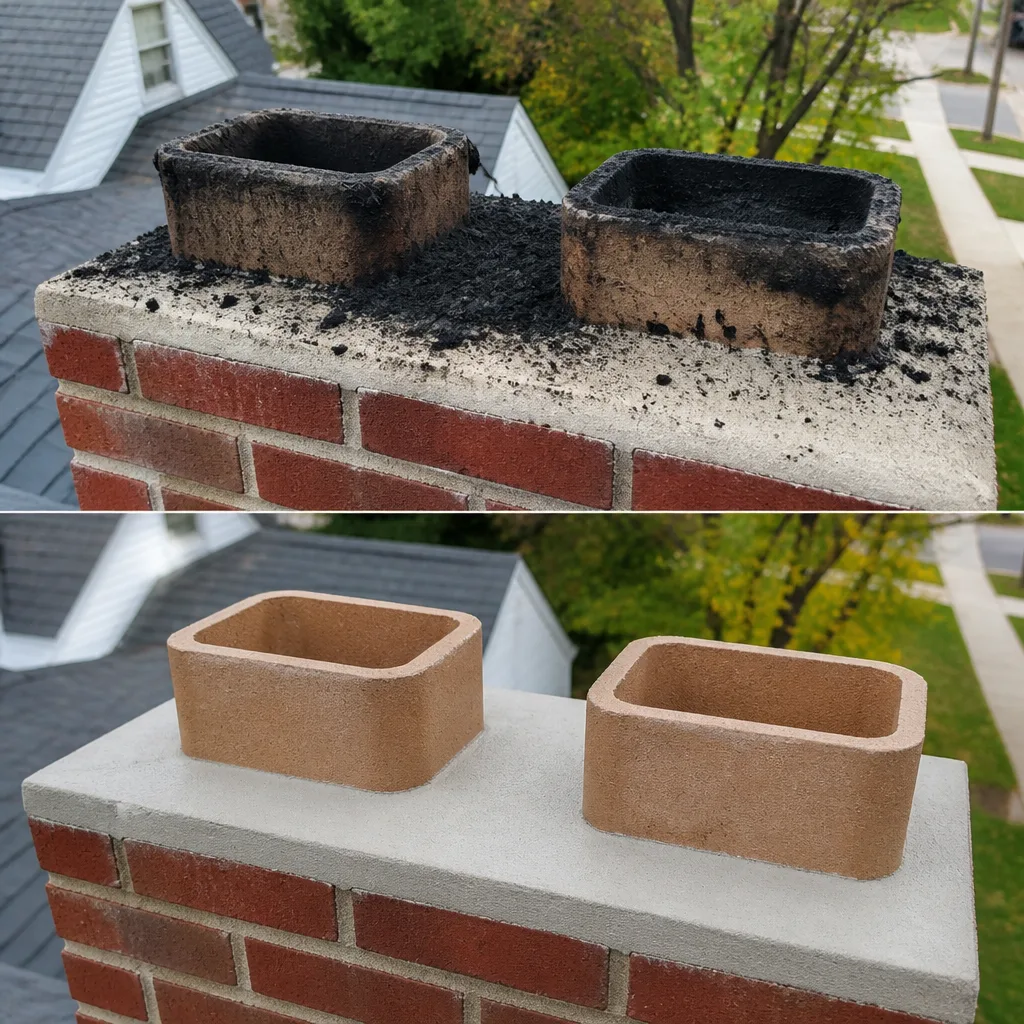 Sweep & inspection
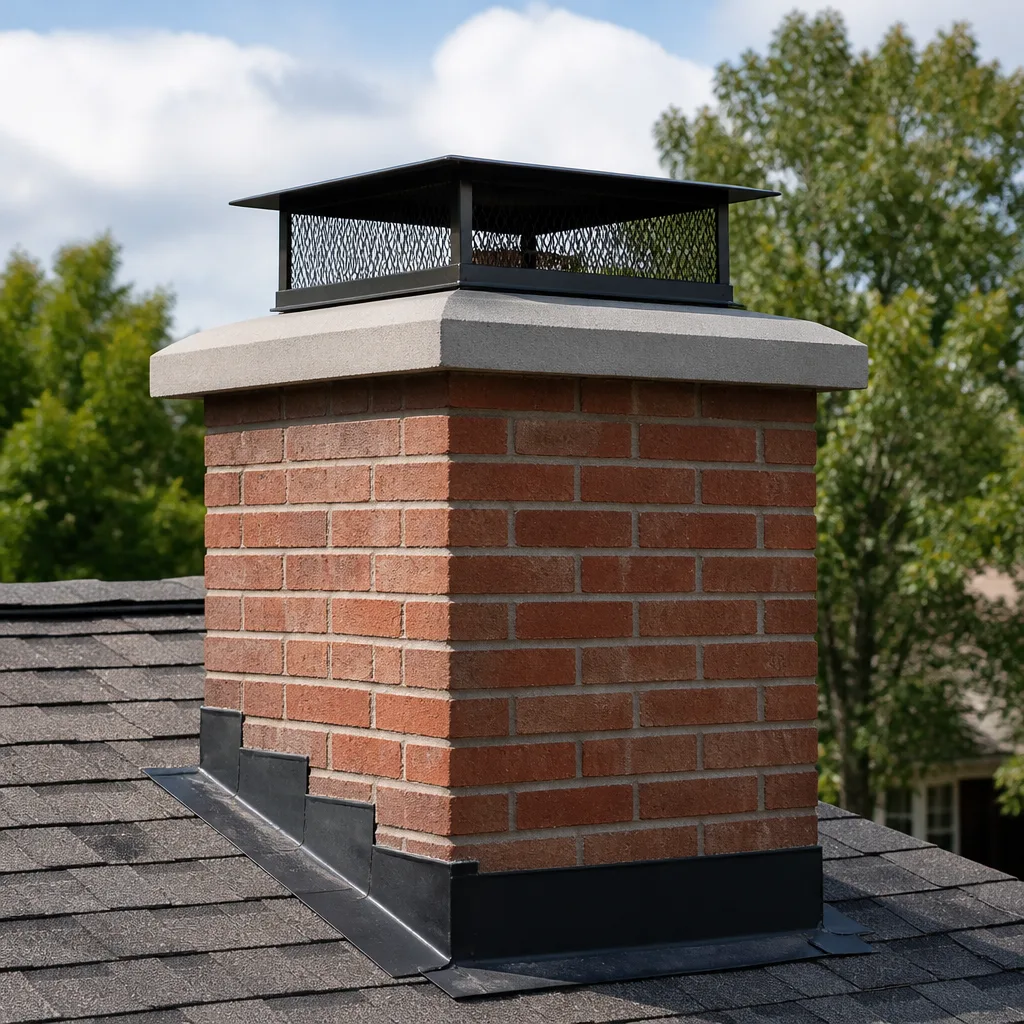 Caps & crowns
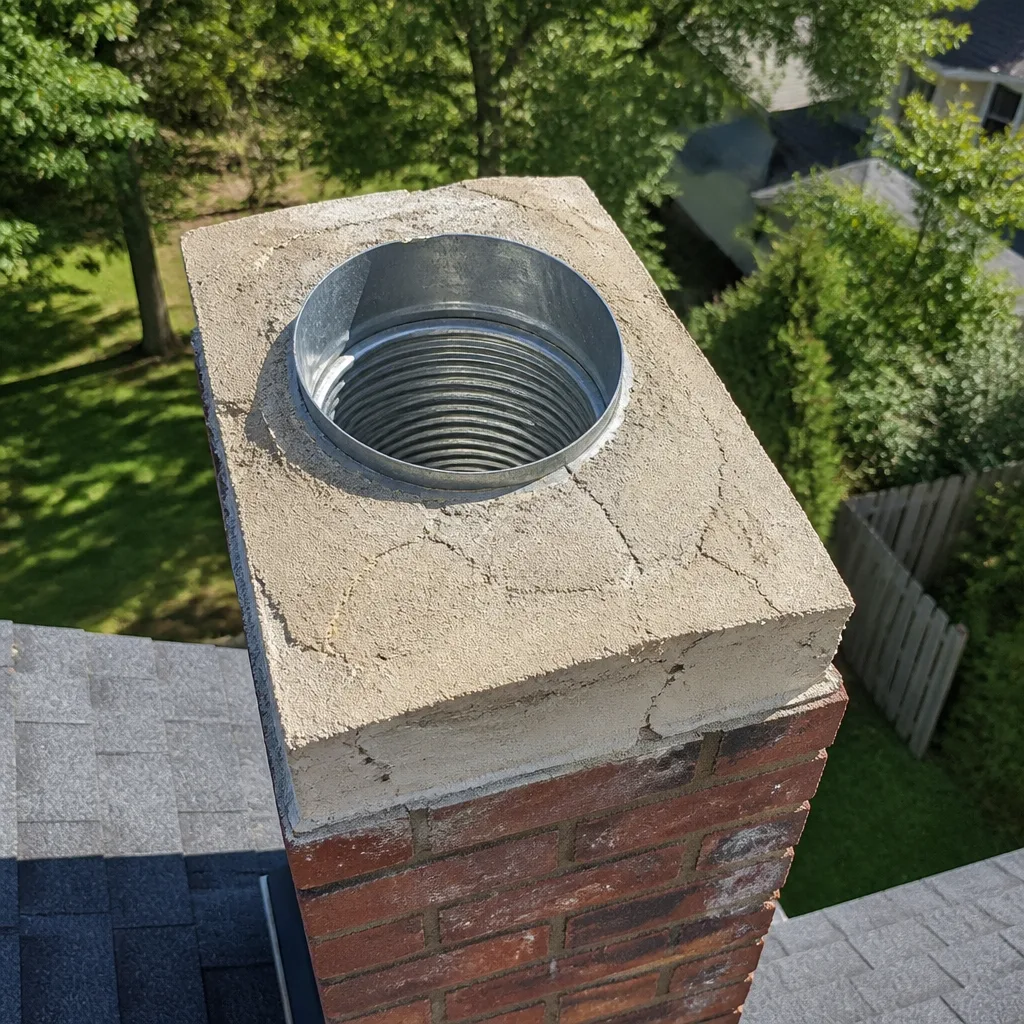 Flue relining
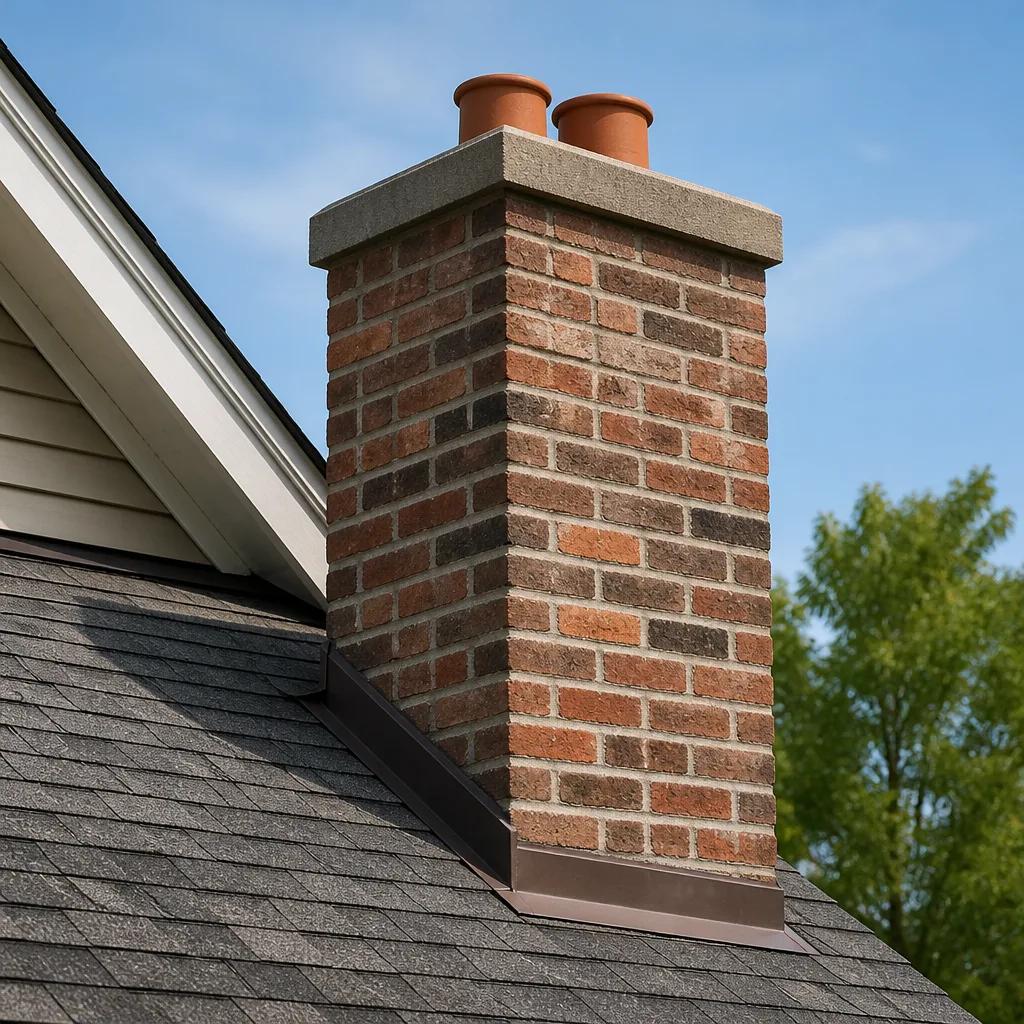 Masonry repair
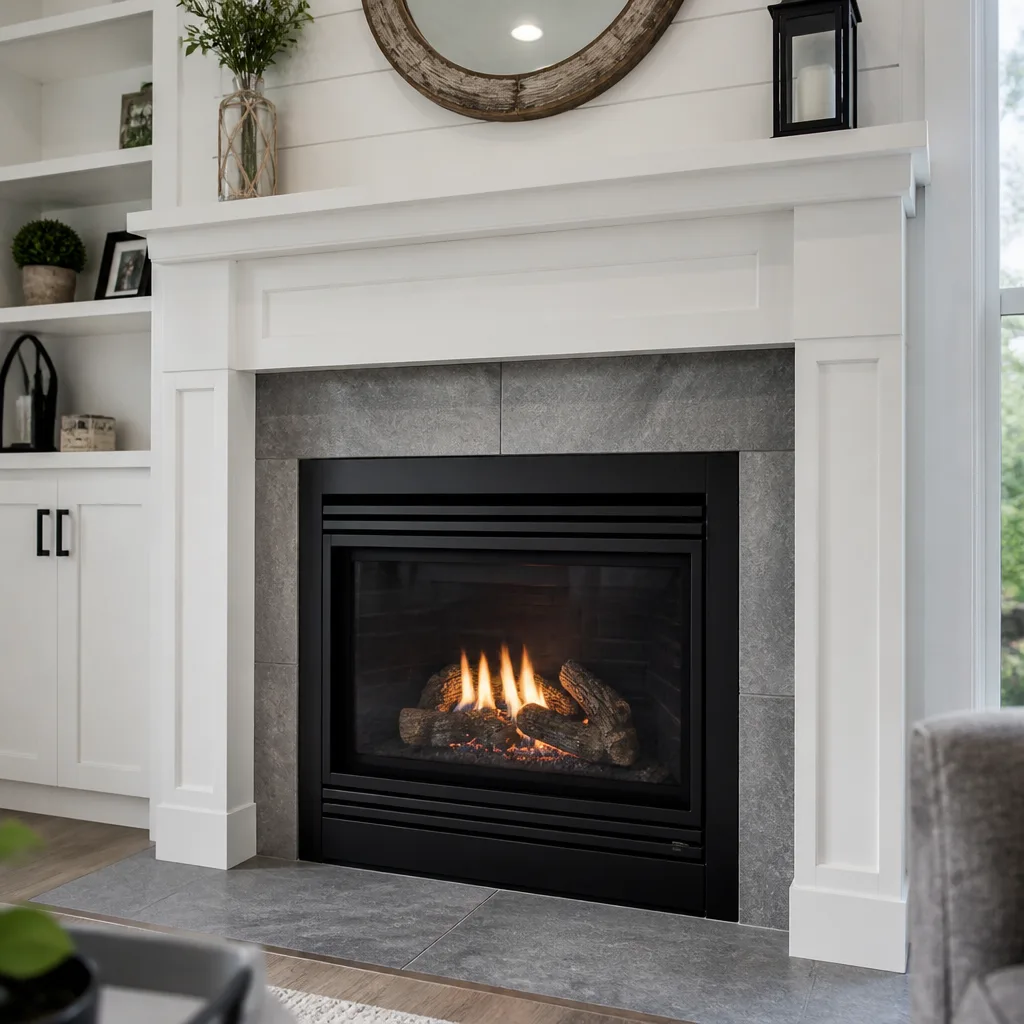 Gas fireplace service
Level 1 sweep and inspection to the NFPA 211 annual standard - flue, crown, cap, and flashing checked and photographed
Chimney sweep logs do not sweep chimneys. They loosen some creosote - which then falls where a brush and vacuum still have to collect it.
DIY vs Professional Chimney Cleaning: The North Charleston Homeowner’s Decision Guide
Most homeowners think about chimney cleaning as a question of cost or convenience. Can I do this myself and save a phone call, or should I have someone come out? The more useful way to frame the decision is by what each approach can actually see. A chimney brush takes loose debris out of the flue. It says nothing about whether the liner is cracked, whether the smoke chamber is shedding mortar, or whether the creosote coating has crossed into the stage that ignites. In North Charleston homes that have sat through humid Lowcountry summers, that difference between clean and safe matters. This guide draws the line clearly: what DIY maintenance legitimately covers, what it can never reveal, and how to know when a professional sweep is the only sensible option.
Quick Answer
A DIY chimney cleaning only removes loose soot and light creosote from the flue you can reach with a brush. It cannot assess liner condition, smoke chamber integrity, or glazed Stage 3 creosote, which are the findings that actually determine fire safety. For a wood-burning chimney in North Charleston, an annual professional sweep and inspection is the baseline – and any chimney that hasn’t been inspected in more than a year needs a trained eye and a camera, not a homeowner with a rod.
Styles & brands we work with
- Sweep & inspection
- Caps & crowns
- Flue relining
- Masonry repair
- Gas fireplace service
Table of Contents
- What a DIY cleaning can and cannot accomplish
- Why creosote stage matters more than quantity
- The diagnostic findings only a trained eye can surface
- How DIY cleaning can mask a real warning sign
- Liability and insurance implications of self-certifying a clean chimney
- The narrow legitimate use case for DIY maintenance
- What a professional sweep and inspection actually involves
- Comparing the true cost of each path
What a DIY cleaning can and cannot accomplish
A chimney brush attached to flexible rods can reach into the flue of a straight, open masonry chimney and knock down loose soot and powdery creosote. That much is true, and we won’t pretend otherwise. The question is whether that work corresponds to what a chimney sweep is actually for.
Here’s what a homeowner with a brush can accomplish:
- Remove loose, dry, flaky soot from the flue walls
- Knock down light Stage 1 creosote that has the texture of crusted ash
- Clear a visible obstruction at the top if it can be reached safely from the roof
- Confirm that air is moving when a fire is going
And here’s what a brush cannot do, no matter how carefully it’s used:
- See the underside of the flue tiles where cracks propagate first
- Assess mortar joint condition between clay tiles – the failure point in older masonry
- Reach the smoke chamber above the damper, where creosote accumulates in angles and shelves
- Remove glazed Stage 3 creosote, which bonds to the flue surface and requires chemical treatment or mechanical rotary tools
- Inspect the firebox for cracks that allow heat through to the surrounding structure
- Scan the chimney exterior or interior with a camera to document condition
That second list is where the actual safety decisions live. In our experience, the vast majority of chimneys that need repair look perfectly fine from the hearth and often from the roof too – the problem is inside, between tiles, or above the damper where nobody thinks to look. A homeowner cleaning from the firebox up is essentially inspecting the one part of the chimney least likely to be the problem.
Why creosote stage matters more than quantity
Most homeowners think of chimney cleaning as a volume problem – how much build-up is in there. The more useful question is what stage that build-up has reached, because the three stages of creosote behave very differently in a fire.
For a quick reference:
- Stage 1 creosote looks like soot or crusted ash. It’s brittle, brushes off easily, and is the least hazardous form. This is what a brush can handle.
- Stage 2 creosote is a tar-like coating. It’s sticky or hardened, clings to the flue, and does not come off with a brush alone. It’s flammable and needs professional removal.
- Stage 3 creosote is glazed and hardened into a dense, fuel-like shell. It ignites at high temperature and burns intensely, and it requires chemical or rotary mechanical removal by a trained technician.
A flue can carry a modest coating of Stage 2 or 3 creosote and look almost empty from the firebox. That’s the trap. A homeowner brushing down a bit of light soot may conclude the chimney is “clean” when the actual hazard layer – the tar and glazed coating – is untouched and accumulating. In our experience, the chimneys we’re most concerned about aren’t the heavily sooted ones; they’re the ones that look reasonable on the surface but carry glazed creosote in the upper flue or the smoke chamber.
Burning habits drive creosote stage more than chimney age. In North Charleston, wood that’s been stacked outside through a humid summer often carries more moisture than the homeowner realizes, and damp wood burns cooler, producing more creosote deposit per fire. Colder, slower, smoldering fires – common on mild Lowcountry evenings when someone wants a small fire – also push the creosote toward the higher stages. The chimney that looks fine after a light brush may be sitting on a problem the brush has no way to detect.
The diagnostic findings only a trained eye can surface
This is the heart of the argument, and it deserves a clear list. When we sweep and inspect a chimney in North Charleston, the physical cleaning is a fraction of the work. The diagnostic findings are what justify the visit.
Here are the specific conditions a trained technician or camera scan can surface that a DIY cleaning will not:
- Hairline cracks in clay flue tiles. These are often invisible from the firebox but propagate through the tile wall, allowing heat and carbon monoxide to reach combustible framing.
- Deteriorated mortar joints between tiles, which weaken the flue column and can allow gas to escape sideways.
- Cracked or spalling firebox brick, where the fire’s heat can push through to the surrounding structure.
- Smoke chamber damage. The sloped chamber above the damper is where creosote collects and where mortar parging fails – and where almost no homeowner can see.
- Improper liner connections at the top plate or appliance collar, common on gas inserts and wood stoves installed decades ago.
- Glazed Stage 3 creosote in the upper flue, which the camera identifies clearly and the brush does not touch.
- Cap and crown condition, including water intrusion paths that allow moisture into the flue structure between burning seasons.
- Draft and pressure problems that show up only when the system is tested under actual burn conditions.
The camera scan and photo report make the difference here. When a technician can show you the inside of your own flue on a screen, the recommendation stops being a sales pitch and becomes evidence. That’s the standard we hold ourselves to on every sweep – the point is not to tell you your chimney needs work, it’s to show you why or tell you plainly that it can wait.
If you’ve ever been told by an inspector or a sweep that your flue needs relining, the useful next step is to ask for the camera footage. A professional company can supply it. That’s the practical test for whether a recommendation is grounded.
How DIY cleaning can mask a real warning sign
Here’s a counterintuitive risk that rarely gets discussed. DIY cleaning doesn’t just fail to reveal problems – it can actively hide them.
Creosote and soot deposits are a signal. When a flue is accumulating more build-up than it should for the amount of wood being burned, that’s a flag: the wood is too wet, the fire is being starved of air, the flue is too cold, or there’s a draft problem the homeowner hasn’t noticed. Those are the conditions that produce excess creosote in the first place, and they’re also the conditions that signal a liner or venting issue.
When a homeowner brushes that signal away every season, the underlying cause doesn’t resolve – it just becomes invisible. The chimney stays under-ventilated, the creosote keeps forming, and the homeowner has removed the one clue that was pointing toward the fix.
The same logic applies to obstructions. A homeowner who clears a nest or debris from the top of the flue may restore draft temporarily while leaving a damaged cap or a cracked crown that will let water and animals back in by the next season. Cleaning the symptom without addressing the cause is the pattern. We’ve seen chimneys in North Charleston where years of owner maintenance kept the firebox looking tidy while a moisture problem between burning seasons quietly deteriorated the flue structure. The chimney looked clean. The chimney was not safe.
Liability and insurance implications of self-certifying a clean chimney
South Carolina homeowners insurance policies generally require that a chimney be maintained in safe working order, and if a chimney fire or carbon monoxide event occurs, the insurer may look at the maintenance record closely.
There’s a specific practical problem with DIY cleaning on this front. When a homeowner cleans their own chimney, there is no documentation of condition. There is no record that the liner was inspected, no photo of the interior, no written confirmation that the flue was clear. In the event of a claim, the homeowner has to assert that the chimney was maintained, without evidence – and the insurer can reasonably question whether a cleaning that was never documented actually addressed the conditions that matter.
A professional sweep produces a record: the date, the condition at the time, the camera findings, and any recommendation for repair. That record is the difference between “we had it cleaned” as a claim and “we had it cleaned and here’s the report” as evidence.
There’s also the question of accurate self-certification. If a homeowner brushes the flue and concludes the chimney is clean and safe, that conclusion is based on a view of the chimney that never included the parts most likely to fail. That’s not dishonesty – it’s an information gap. But it means the homeowner may genuinely believe the chimney is fine when the flue has a crack they cannot see. No homeowner should have to make a safety judgment about their own flue with incomplete information, and this is exactly the gap a professional sweep exists to close.
The narrow legitimate use case for DIY maintenance
We want to be clear about this: there is a real place for homeowner involvement in chimney care. It’s just narrower than most people assume.
Legitimate DIY maintenance tasks include:
- Cap checks. From the ground with binoculars, confirm the cap is intact, attached, and free of visible damage. A loose or missing cap allows water and wildlife in, and spotting it early is worth doing.
- Damper operation. Open and close the damper by hand at the start of the season to confirm it moves freely. A stuck damper is a draft and safety issue.
- Exterior visual checks. Look at the crown and the exterior masonry from the ground for obvious cracks, spalling, or vegetation growing in the joints.
- Firebox visual checks. With a flashlight, look for cracks in the firebox brick and for any gaps in the mortar between the firebox and the damper frame.
- Burn habits. Use dry, seasoned wood and avoid long smoldering fires, which are the single biggest driver of excess creosote.
What should never be DIY:
- Rooftop work on a steep or slippery pitch
- Removing a cap or crown without the right sealant and flashing knowledge
- Any attempt to remove Stage 2 or Stage 3 creosote
- Any inspection that attempts to certify the flue as safe for use
- Rodding a flue from the top on a chimney with a damaged crown or liner
The practical rule: DIY handles observation, not certification. You can look and notice. You can’t confirm. The moment a chimney needs to be declared safe, that call belongs to a trained technician with a camera and the tools to document what they found.
What a professional sweep and inspection actually involves
A proper chimney sweep is a several-part process, and the most valuable parts happen before the brush comes out.
- Pre-sweep inspection. The technician looks at the appliance, the firebox, the damper, and the cap before cleaning, to identify anything that could be damaged by sweeping.
- Containment. Drop cloths and a vacuum are set up to keep soot out of the living space. A North Charleston home with an open fireplace and a nearby rug gets the same care as a wood stove install.
- Cleaning to the access point. The flue is swept from the firebox up or from the roof down, depending on access and chimney type. Rotary or standard brushes are selected based on the creosote condition.
- Camera scan. A camera is run through the flue to document tile condition, mortar joints, and creosote stage. The footage is the key output of the visit.
- Smoke chamber and firebox inspection. The chamber above the damper is checked for parging failure, and the firebox is checked for cracks.
- Photo report and recommendation. The technician walks the homeowner through the findings, with images. If there’s nothing to fix, that’s stated plainly. If there is, the recommendation is tied to what the camera showed.
That last step is the one that most distinguishes professional work from DIY, and it’s the standard we hold to. A sweep that tells you “your chimney is fine” without showing you the inside of your own flue is asking you to take a judgment on faith. The camera scan and photo report exist so you don’t have to.
If the inspection does find liner damage, the repair path may involve relining with a flexible stainless system. We install DuraFlex liner systems for this reason – relining is a structural repair that a sweep alone can neither detect properly nor resolve. The materials matter: we work with Olympia Chimney, Famco, and Copperfield because those are established supply lines in the chimney trade, and the product installed on a chimney has to be right for the appliance and the flue for the life of the system. Resurfacing the flue with HeatShield is a separate restoration option for certain cracked or deteriorated masonry flues, and it’s a manufacturer-specific process – one we’re certified to apply and most sweep-only operations are not.
For a fuller picture of how the service breakdown works in this market, see our guide to chimney sweep services and what’s included in each visit.
Comparing the true cost of each path
DIY cleaning looks cheaper on the surface, but the comparison needs to account for what each path delivers.
- DIY cleaning: the cost of a brush and rods, plus the hours spent. Delivers loose soot removal. Delivers no information about liner condition, smoke chamber, or creosote stage. Delivers no documentation.
- Professional sweep and inspection: a booked service with a written estimate per job. Delivers full cleaning, camera inspection, and a documented condition report – the input needed to make safe decisions about the season ahead.
- Cost of a missed finding: repairs deferred because a problem was never surfaced. In our experience, a small liner issue found on a routine inspection is a manageable repair; the same issue left to develop is a much larger one, or a hazard.
There’s a viewpoint worth stating plainly: the cost comparison only makes sense if a DIY clean actually does what a professional sweep does. It doesn’t. It does part of it. The question isn’t whether you can save money on a cleaning – it’s whether you’re willing to go without the inspection that the cleaning is really for.
If you’re weighing a repair recommendation you’ve received and aren’t sure whether to trust it, that’s a circumstance where a second camera scan is genuinely useful. You’ll want to see the evidence yourself before you commit to a reline or resurfacing job. You can read more about how chimney repair decisions are made on our service page.
Common Mistakes to Avoid
- Treating a brush pass as proof of safety. A chimney that has been brushed but not inspected has been cleaned, not cleared. The two are different, and the difference is what the camera sees.
- Burning wet wood to “save” on firewood. Damp wood is the leading driver of Stage 2 and Stage 3 creosote, and in a humid North Charleston summer, firewood stacked outside can absorb far more moisture than the homeowner expects. Season it properly, or pay for it in creosote.
- Cleaning only the firebox and calling it done. The upper flue and smoke chamber are where the creosote that actually matters lives. The firebox is the one part you can see, and the least likely to be the problem.
- Ignoring a damaged cap or crown through the off season. Between burning seasons, water gets into the flue through a failed cap or crown. By the next burn season, the damage has spread into the flue structure. A basic cap check from the ground prevents this.
- Self-certifying the chimney as “clean and safe” for insurance purposes. Without documentation of condition, there’s no record the liner was inspected. If a claim arises, the homeowner bears the burden of proof.
- Skipping the annual inspection because the chimney “looks fine.” A clean-looking firebox tells you nothing about the flue above it. The annual inspection is the only way to know.
- Attempting rooftop work to save a service call. A steep or wet roof is a genuine fall hazard, and chimney work done at height without the right equipment and the right technique can damage the crown or the liner in ways that are invisible from the ground. We’ve seen the results of this pattern more than once.
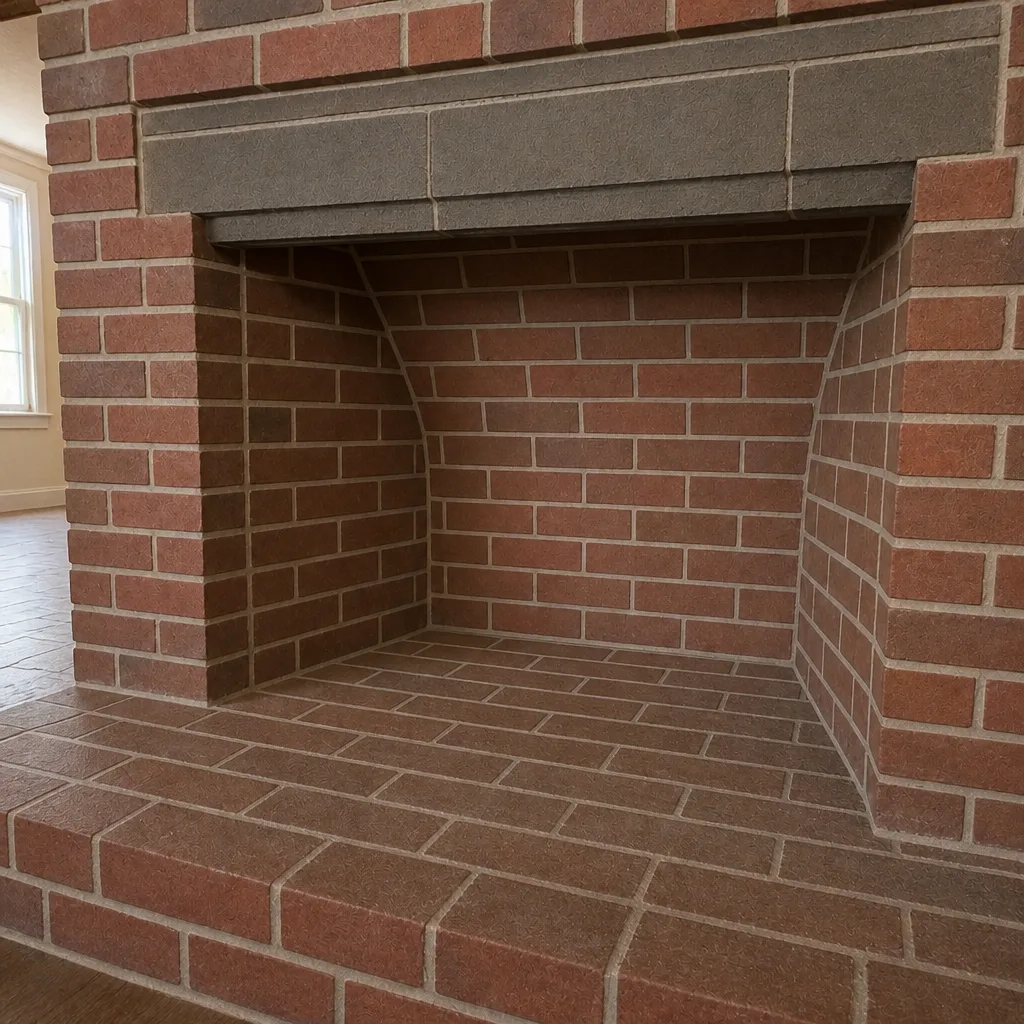
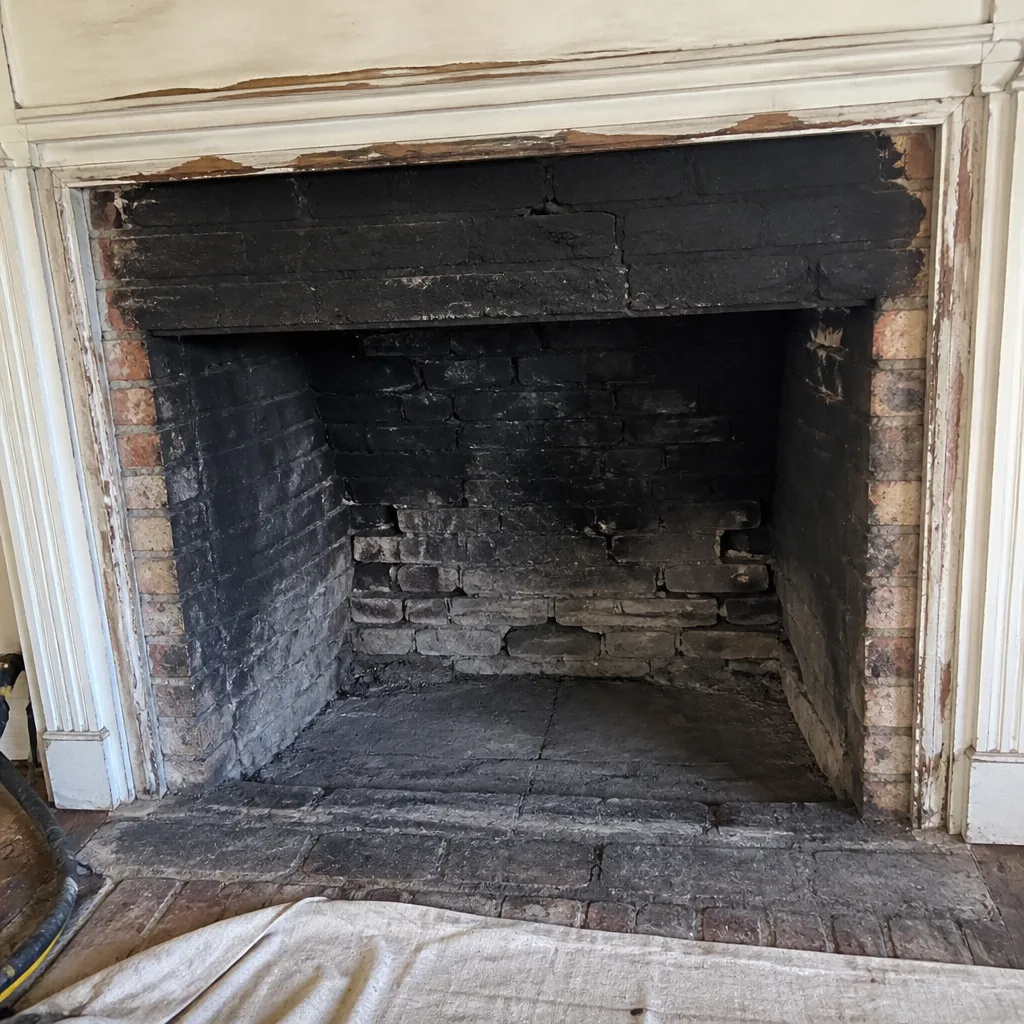
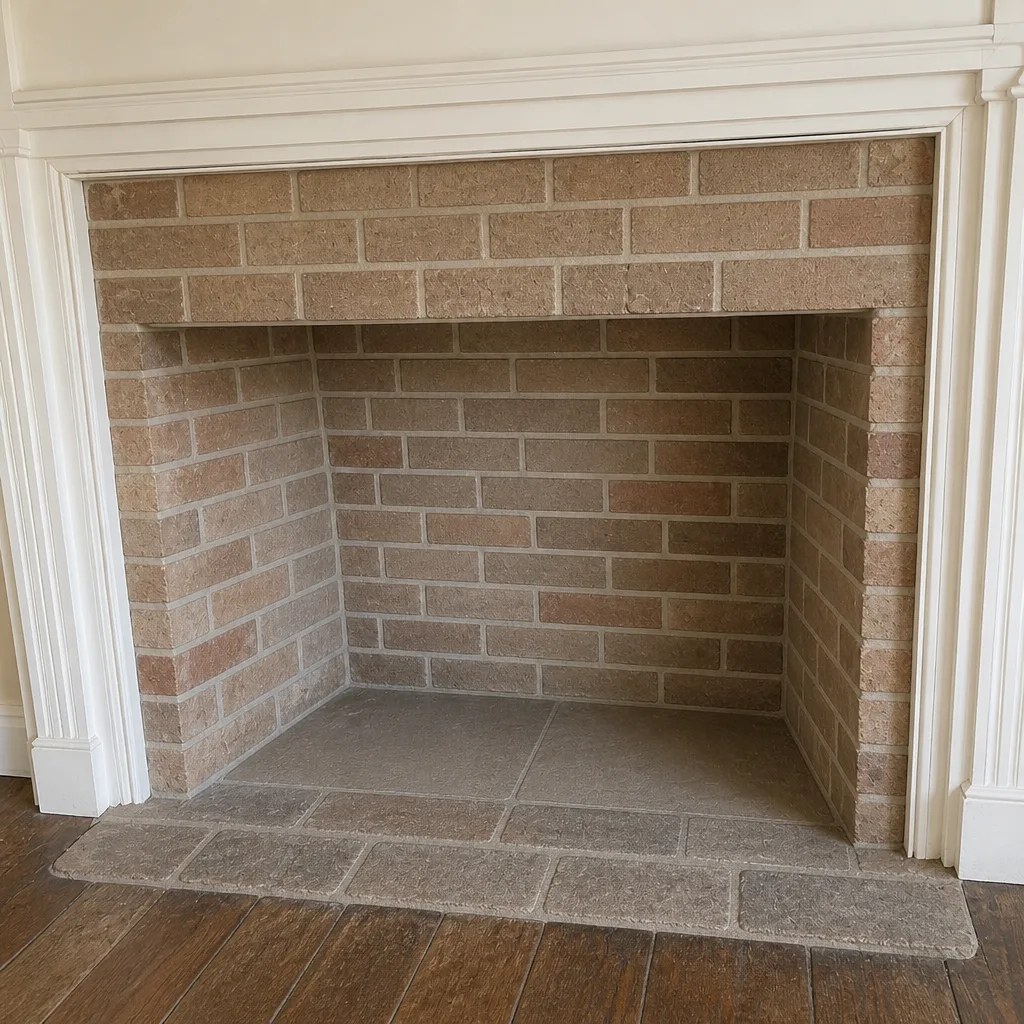
See the difference
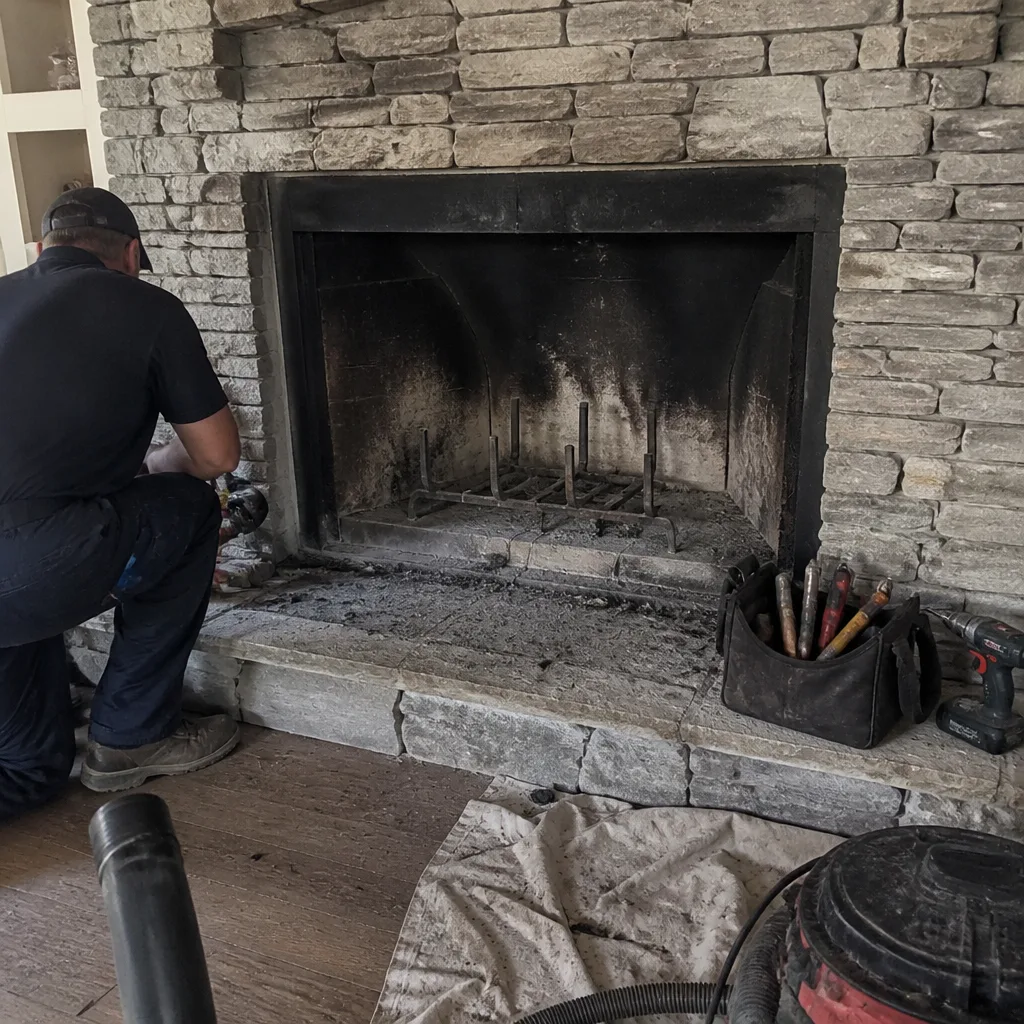 Before
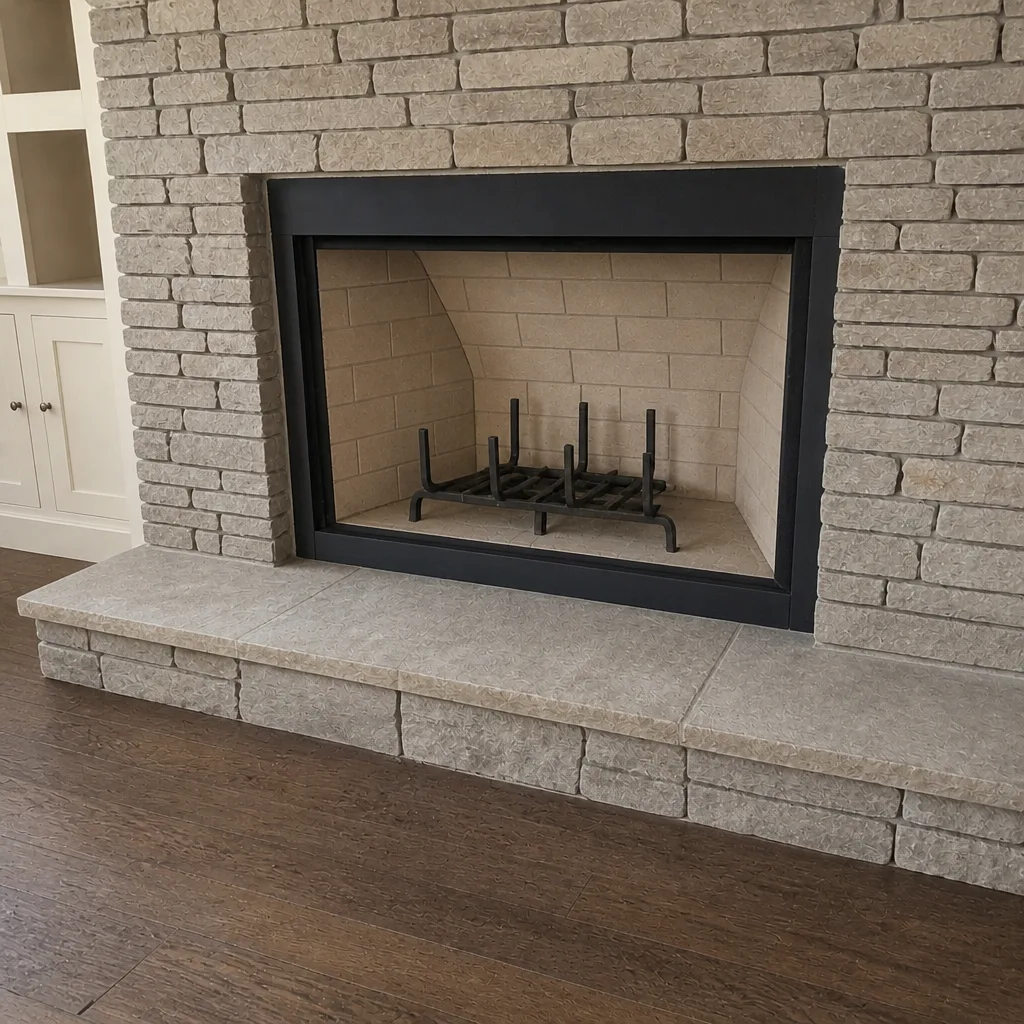 After
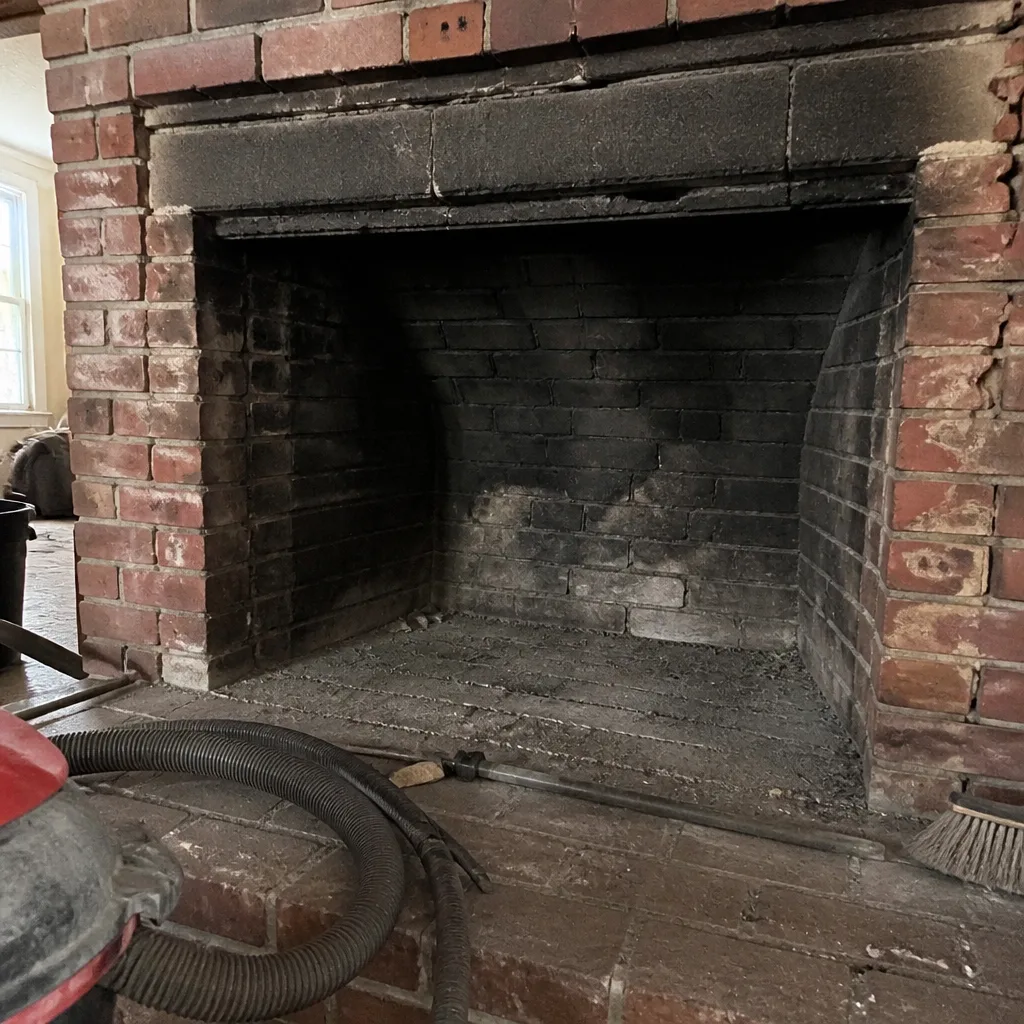 Before
 After
 Before
 After
When to Call a Professional
There are clear circumstances where DIY is not the right path and a professional sweep is the only sensible next move. Call a professional if the chimney hasn’t been inspected in more than a year, if there’s been a chimney fire of any size (even one you think burned itself out), if you notice a strong creosote smell or visible glazed coating in the firebox, if there’s smoke backing into the room when a fire is lit, if the firebox brick shows cracks, or if a prior inspector has told you the flue needs attention and you want the evidence for yourself.
Also call if you’ve moved into a North Charleston home whose chimney history you don’t know. The previous owner’s maintenance record rarely comes with the house, and the condition of the flue is the one thing you can’t infer from the way the fireplace looks in the living room. Denali Chimney Sweep offers free estimates in North Charleston – call (855) 723-7039. We answer 24/7. Fast dispatch from 7am to 7pm, Sunday through Friday.
Frequently Asked Questions
You can physically brush soot from a straight, open flue, but you cannot safely assess liner condition, smoke chamber integrity, or creosote stage on your own. DIY cleaning removes loose debris and nothing more – it is not an inspection, and it cannot substitute for one. If your chimney has not been professionally inspected in more than a year, book a sweep and get a camera report before you rely on it. Call (855) 723-7039 for an exact quote – estimates are free.
The general industry guidance is an annual inspection, with a sweep when the inspection shows enough creosote build-up to warrant it. For a wood-burning chimney used regularly, that usually means a sweep once a year. A gas insert or wood stove installation has different inspection timing based on the appliance and venting, which is exactly the kind of thing the camera scan determines. In our experience, North Charleston chimneys fired hard through the cooler months accumulate enough by the following season to need attention. Call (855) 723-7039 for an exact quote – estimates are free.
Creosote keeps accumulating, and if it reaches Stage 2 or Stage 3, the hazard changes: those layers are flammable and can ignite under the right conditions. The bigger risk in a neglected chimney is the undetected liner or smoke chamber problem that no one has seen, which can allow heat or carbon monoxide to reach the structure. Skipping is not automatically a disaster, but skipping without an inspection means you don’t know which case you’re in. Call (855) 723-7039 for an exact quote – estimates are free.
A liner recommendation should always be backed by camera evidence you can see yourself, and you should ask for that footage before you agree to anything. If the flue shows cracked tiles, deteriorated mortar joints, or a failed connection, relining with a DuraFlex flexible liner system is a legitimate structural repair – not a cosmetic upgrade. If the chimney shows no damage, the honest answer is that it can wait. Our rule is simple: no recommendation without evidence, and we say so plainly when work can safely wait. Call (855) 723-7039 for an exact quote – estimates are free.
Pricing for a chimney sweep and inspection is set per job by a written estimate, because the work depends on chimney type, access, and creosote condition. The estimate is free, and the written figure is the price. What you get is the full service – cleaning, camera scan, and a photo report of condition – so you can make a decision with the same information a technician has. Call (855) 723-7039 for an exact quote – estimates are free.
A DIY clean produces no documentation, so there is no record that the flue was inspected, which is what an insurer may look for if a claim arises. A professional sweep produces a dated report with camera findings – that’s the evidence a homeowner wants on file. If your policy requires proof of maintenance, a documented sweep and inspection is the practical way to have it. Call (855) 723-7039 for an exact quote – estimates are free.
The Bottom Line
The decision between DIY and professional chimney cleaning comes down to what each can reveal. A brush removes soot; it doesn’t inspect. A professional sweep and inspection reveals liner condition, smoke chamber integrity, and creosote stage, and documents what it found. In North Charleston homes where humidity between burning seasons quietly accelerates deterioration, that inspection is the difference between guessing your chimney is safe and knowing. If you want the camera evidence in front of you and a plain-spoken recommendation, that’s what we’re here for. Let’s make it a conversation about what your chimney actually needs, not what it looks like from the living room.
Our technicians have up to 14 years of experience, and we work exclusively with professional-grade chimney brands including DuraFlex, HeatShield, Gelco, Olympia Chimney, Famco, and Copperfield. From annual cleaning to full flue relining, one call covers it. Call Denali Chimney Sweep at (855) 723-7039 for a free estimate. We answer 24/7. Fast dispatch from 7am to 7pm, Sunday through Friday. We serve homeowners throughout North Charleston and the surrounding area, and we treat your chimney as a system, not a single sweep. For a full view of our services, start at Denali Chimney Sweep.
Written by the team at Denali Chimney Sweep.