
Last updated November 15, 2026
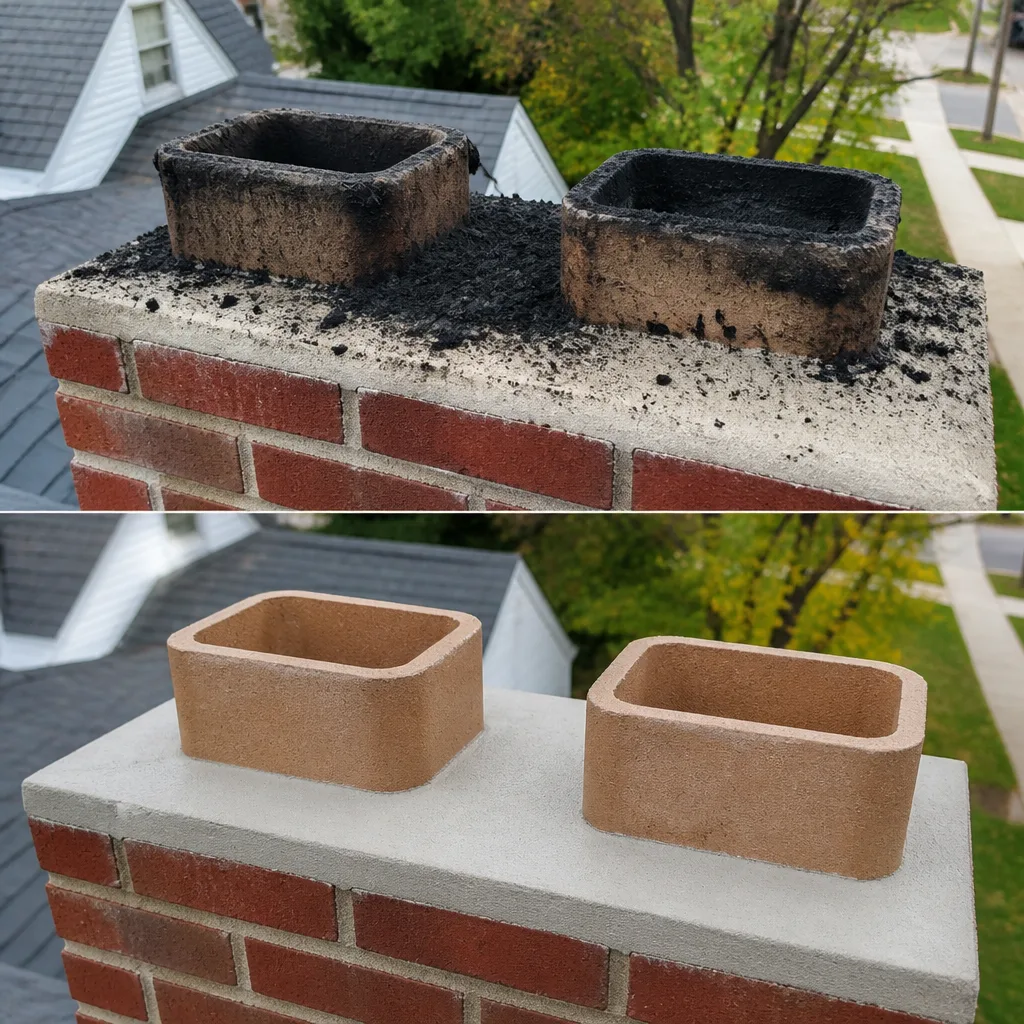 Sweep & inspection
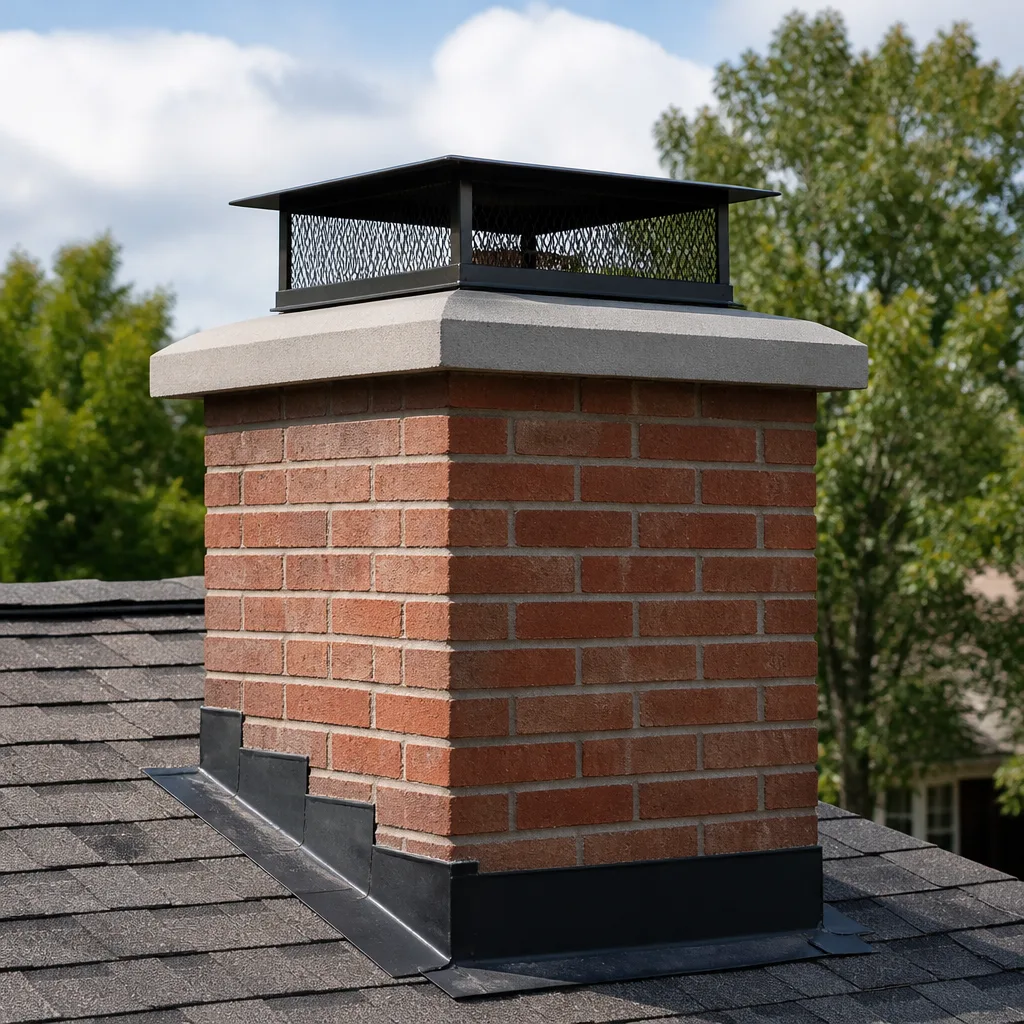 Caps & crowns
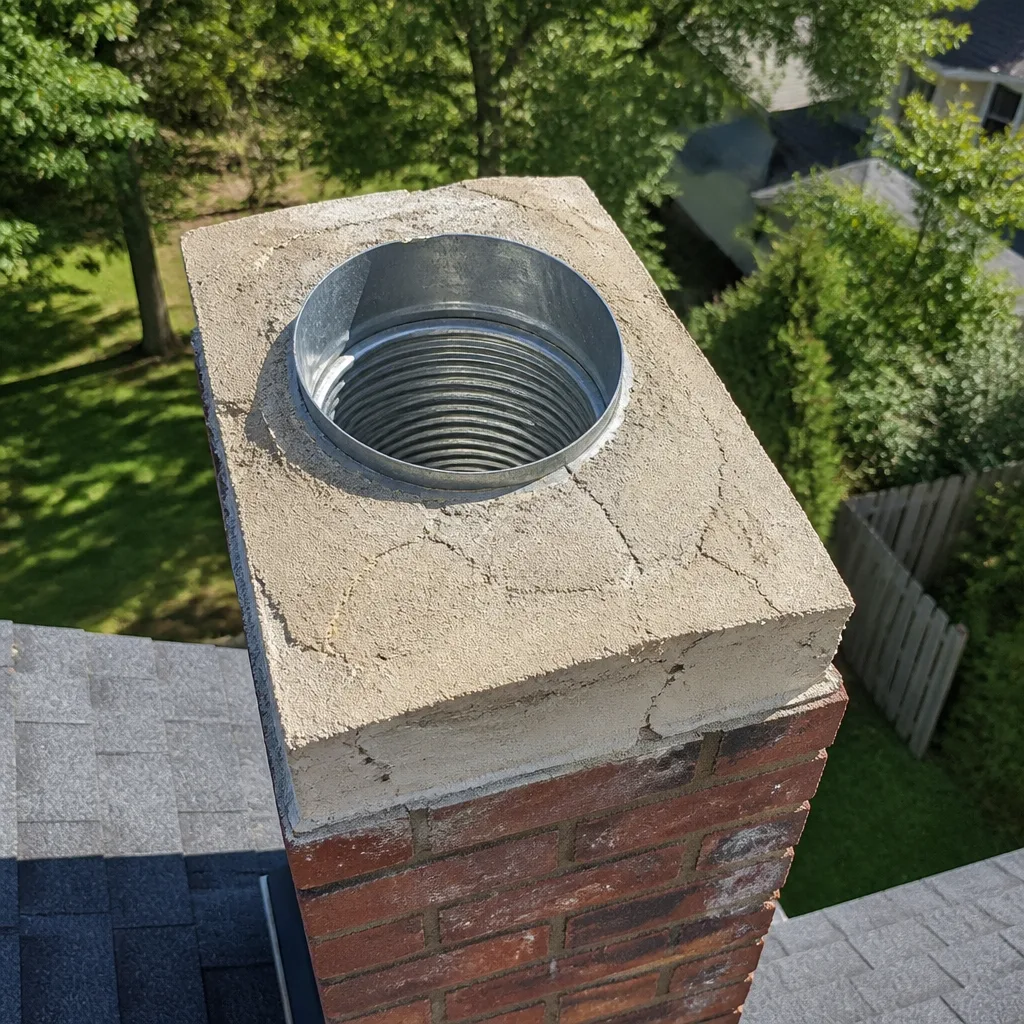 Flue relining
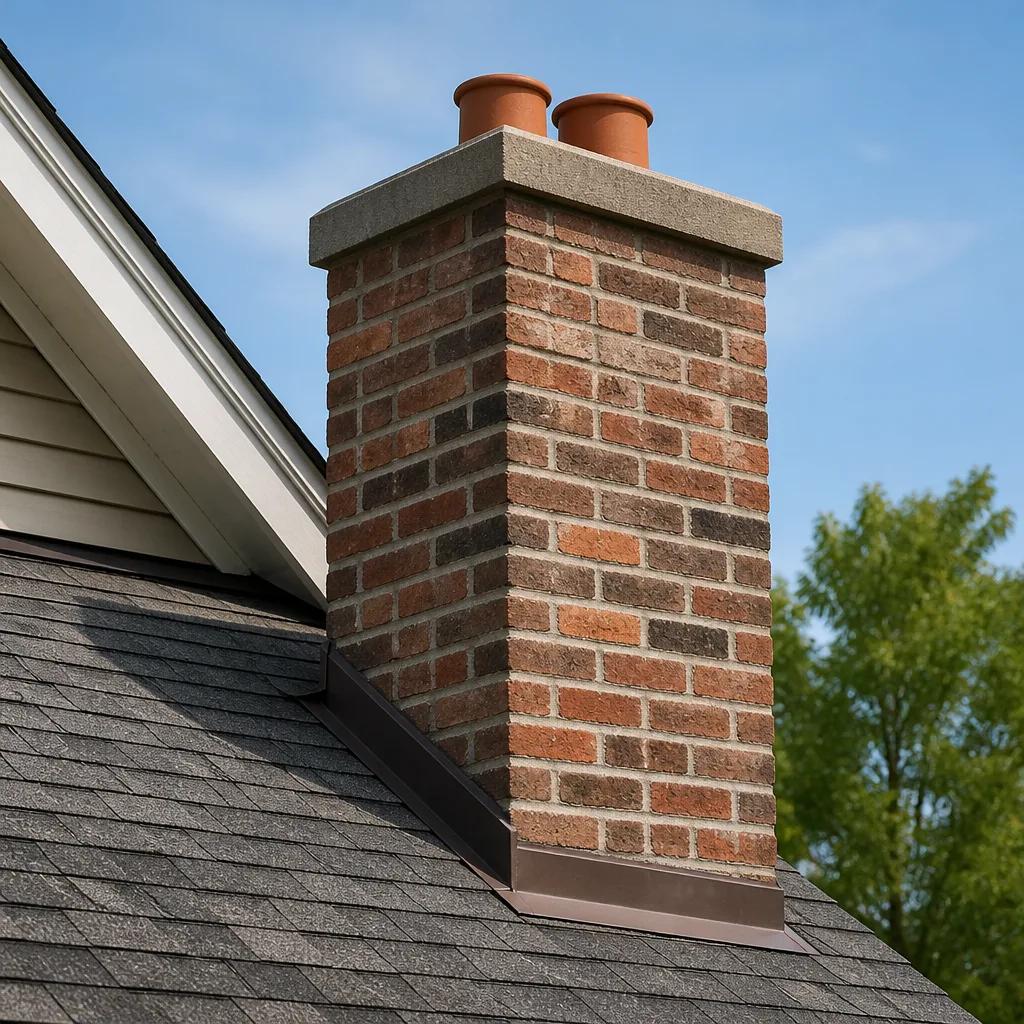 Masonry repair
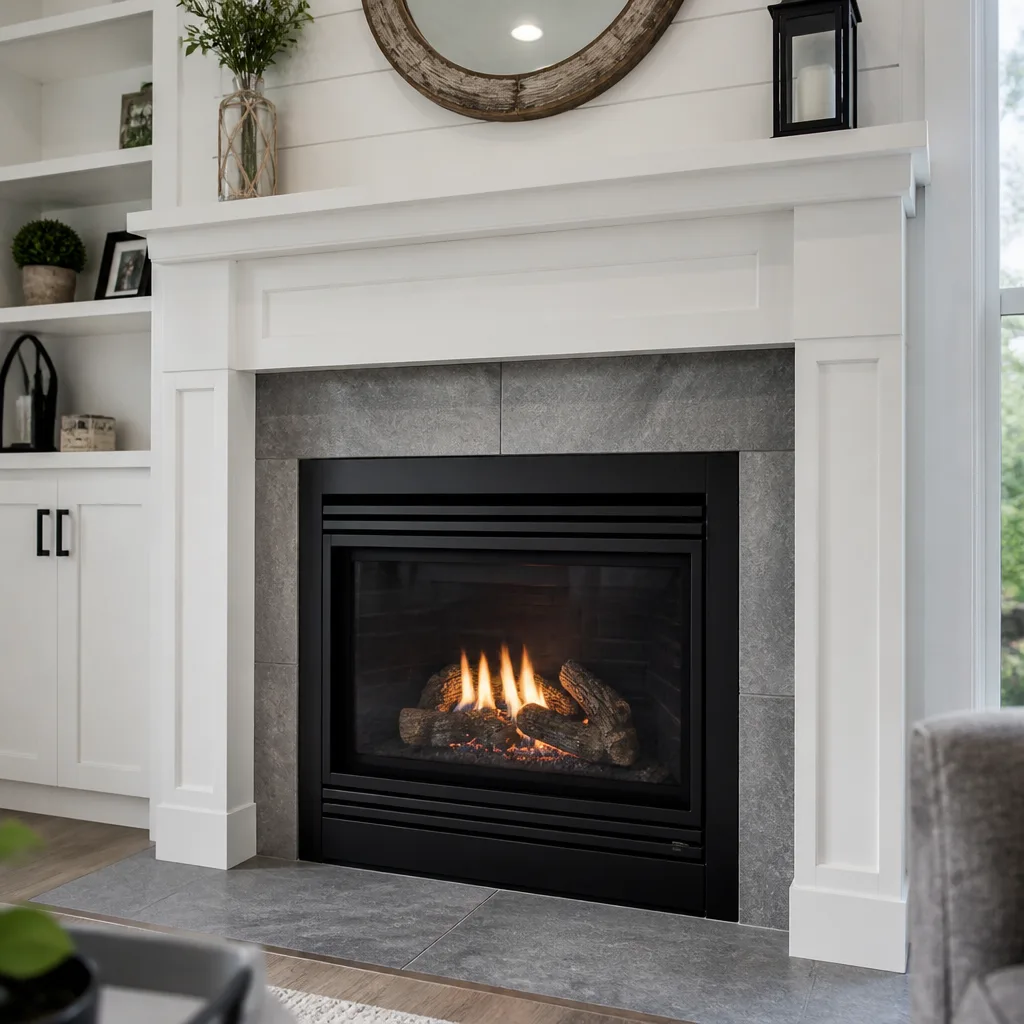 Gas fireplace service
Level 1 sweep and inspection to the NFPA 211 annual standard - flue, crown, cap, and flashing checked and photographed
Chimney sweep logs do not sweep chimneys. They loosen some creosote - which then falls where a brush and vacuum still have to collect it.
Choosing the Right Chimney Cleaning Brand: A Buyer’s Guide for North Charleston
If your chimney technician can’t tell you which brand of flue sealant or liner system they’re using, and why, that’s a diagnostic finding about the contractor, not the chimney. Most homeowners in North Charleston never ask. They approve a line on an invoice that says “relining” or “resurfacing” without knowing what material is going up the flue or whether it belongs there. This guide decodes the professional-grade brands you’ll encounter in legitimate chimney work, explains what each one is engineered to do, and shows you how to read a material spec sheet well enough to confirm the right product was used for the right application.
Quick Answer
The right chimney products are professional-grade systems specified for your exact flue type and appliance, installed by a trained technician and labeled to recognized safety standards. In North Charleston, that usually means a listed stainless liner system, a manufacturer-specific resurfacing compound, or a precision-fit cap, not a hardware-store caulk or a generic brush kit. If a contractor can’t name the product and explain why it fits your chimney, the material choice is a guess, and guesses in a flue become hazards.
Styles & brands we work with
- Sweep & inspection
- Caps & crowns
- Flue relining
- Masonry repair
- Gas fireplace service
Table of Contents
- Consumer-Grade vs. Professional-Grade: What’s Actually Different
- The Brands Behind Legitimate Chimney Work
- What Each Product Category Is Engineered to Do
- How to Verify Products Are Listed and Labeled
- What “Professional-Grade” Really Means in This Trade
- How to Read a Material Spec Sheet on Your Invoice
- Why North Charleston Chimneys Ask Specific Things of Materials
- A Step-by-Step Way to Verify Your Technician’s Material Choices
Consumer-Grade vs. Professional-Grade: What’s Actually Different
The gap between a chimney product sold at a hardware store and a professional-grade system isn’t marketing. It’s the difference between a temporary patch and a component engineered to survive a flue’s real conditions: heat cycling, acidic condensate, and years of exposure to combustion byproducts. Hardware stores sell products built for a weekend project and a retail price point. Professional systems are built for a service life inside a chimney, tested to standards, and specified by the manufacturers who make liners and appliances.
Here’s how the two tiers break down:
- Testing and listing. Professional-grade flue products are tested and listed to recognized standards, so their performance claims are verifiable. Retail products often carry no listing for the application you’re using them in.
- Application specificity. A pro liner is specified for a particular appliance, fuel type, and flue geometry. A retail patch doesn’t know or care what’s burning below it.
- Temperature tolerance. Liner systems and sealants are rated for the temperatures a chimney actually reaches. Retail caulk is rated for a tube and a shelf.
- Documentation. Pro materials come with spec sheets, installation instructions, and warranty terms tied to proper installation. That paper trail matters if you ever sell the house or file a claim.
- Installer training. Many professional systems require the installer to be trained on that manufacturer’s method. A generic handyman isn’t trained on a specific system, which is one reason chimney repair isn’t a generalist’s job.
In our experience, the homeowner rarely sees this distinction until something fails. A retail patch that breaks down inside the flue can trap moisture and accelerate damage to the masonry around it, which turns a small problem into a structural one. The cheap material doesn’t stay cheap.
The Brands Behind Legitimate Chimney Work
You don’t need to memorize a catalog, but you should recognize the names that show up in serious chimney work and know roughly what each one does. When a North Charleston technician names a brand, you can then ask a sharper question: what is that product engineered for, and why does it fit my flue? Below is the landscape, organized by what the product actually accomplishes.
- Flexible liner systems. DuraFlex is a flexible stainless liner system used for full relining. It’s the kind of product that lets a technician restore a flue’s integrity without rebuilding the chimney around it.
- Flue resurfacing. HeatShield is a manufacturer-specific resurfacing process for restoring a damaged flue from the inside. It’s a specialized repair that sweep-only outfits typically can’t or don’t perform.
- Chimney caps. Gelco caps are known in the trade for precision fit and durability, which matters in a place where rain and debris drive straight down an uncapped flue.
- Supply lines. Olympia Chimney, Famco, and Copperfield are established supply lines that professionals source through. A technician who buys through them is working with materials the trade itself relies on.
These are the brands Denali Chimney Sweep works with, and the reason is simple: they’re the same materials installers and manufacturers specify for the job, not the bargain-bin alternates. When we say we treat your chimney as a system, the brand list is part of what that means. The Denali Chimney Sweep approach is to inspect first, repair right, and use materials that match the application rather than the price tag.
What Each Product Category Is Engineered to Do
The most common mistake is assuming every chimney product does roughly the same thing. They don’t. Each category solves a different problem, and using the wrong one is how a “repair” makes things worse. Here’s what each is actually for.
- Liner systems address structural integrity and venting. A flexible stainless liner creates a continuous, sealed path for exhaust inside an existing chimney. It’s the right answer when a flue is cracked, unlined, or no longer sized correctly for the appliance. This is a structural-level repair, not a cleaning add-on.
- Resurfacing compounds address a deteriorated flue interior. When the clay tile liner is spalling or cracked but the chimney structure is sound, a resurfacing process can restore the flue’s smooth, sealed surface. HeatShield is engineered for exactly this scenario, and it’s a manufacturer-specific process, which is why not every sweep offers it.
- Caps address water and animal entry. A chimney cap keeps rain, debris, and wildlife out of the flue. Gelco caps are built for a precision fit so the cap does its job without creating a new problem at the crown.
- Creosote treatments address what cleaning leaves behind. Chemical treatments are formulated to break down creosote deposits that mechanical sweeping can’t fully remove, particularly glazed creosote. They’re a supplement to sweeping, not a replacement for it.
- Sealants and crown materials address the masonry exterior. These protect the chimney structure from water intrusion at the crown and flashing, which is a different job than protecting the flue interior.
In a North Charleston home, the mix of humid summers and occasional cold snaps means the chimney interior and exterior are working under different stresses. A flue that’s fine in July can show cracks by January. That’s one more reason the material choice has to match the specific defect, not the general category.
How to Verify Products Are Listed and Labeled
The single most useful verification step a homeowner can take is asking whether the product going into their chimney is listed to a recognized safety standard, and then confirming the label. Listing means an independent testing body has evaluated the product against a published standard. It’s not a guarantee of a perfect installation, but it’s a baseline a legitimate professional will meet without hesitation.
Here’s how to check, in practical terms:
- Ask for the listing. Before work begins, ask which standard the liner or resurfacing system is listed to. A trained technician should answer without looking it up.
- Look for the label on the material. Listed products carry a label on the component or its packaging. If the label isn’t there, ask why.
- Match the listing to the application. A product listed for one fuel type or appliance may not be listed for another. The listing has to cover what you’re actually burning.
- Keep the paperwork. Spec sheets, installation instructions, and warranty terms should come with the job. They document what was installed and support any future claim.
Standards and labeling requirements can change, and local code may add requirements on top of the listing. For anything specific to your address or your appliance, check with North Charleston’s building department or a qualified technician rather than assuming a product is approved because it’s on a shelf.
What “Professional-Grade” Really Means in This Trade
“Professional-grade” is one of the most misused phrases in home services. In chimney work, it means something specific: the product is engineered for the chimney environment, tested and listed for its application, supported by manufacturer documentation, and installed by someone trained on that system. That’s a narrower definition than most marketing uses, and it’s the one worth holding contractors to.
The contrast is a product that’s merely marketed as professional. A caulk labeled “high heat” at a hardware store isn’t the same as a resurfacing system engineered and specified for a flue interior. A generic brush isn’t the same as the tooling a specialist uses to clean without damaging a liner. The word on the tube isn’t the proof. The listing, the spec sheet, and the installer training are.
For a homeowner in North Charleston, the practical test is straightforward. Ask three questions: What product are you using? Is it listed for my flue and appliance? Are you trained on it? A specialist answers all three. A generalist with a brush and a retail tube often can’t answer the first one cleanly, which tells you what you need to know before any work starts. The chimney sweep service you hire should be able to name its materials the way a good mechanic names parts.
How to Read a Material Spec Sheet on Your Invoice
A material spec sheet is a short document that tells you what a product is, what it’s listed for, and how it’s meant to be installed. You don’t need to be an engineer to read one. You need to know what to look for and what a mismatch looks like. The invoice should reference the spec sheet, and the spec sheet should match the job.
- Identify the product and manufacturer. Confirm the brand and model on the invoice matches the spec sheet. “Liner” alone isn’t enough; you want the actual product name.
- Check the application. The spec sheet states the fuel type, appliance type, and flue conditions the product is listed for. Make sure your chimney fits those conditions.
- Confirm the listing. Look for the standard the product is listed to. This is the paper trail behind the label on the material.
- Read the installation requirements. Spec sheets list what’s required for a proper install, like clearances or compatible components. If the invoice doesn’t reflect those, ask.
- Note the warranty terms. Warranty coverage is usually tied to proper installation and the product’s intended use. That’s leverage if something fails later.
If a spec sheet is missing, that’s worth pausing on. A specialist keeps this documentation because the trade requires it. The absence of paper is itself information, and it’s the kind of detail that separates a real repair from a hopeful one.
Why North Charleston Chimneys Ask Specific Things of Materials
North Charleston’s climate puts particular demands on chimney materials. The combination of humid summers and cooler winters means moisture is a persistent factor. A flue that isn’t properly sealed or capped will take on water, and water inside a masonry chimney accelerates deterioration in ways that are easy to miss from the outside until they’re expensive. That’s why a cap like a precision-fit Gelco matters here, and why a flue sealant has to be engineered for the moist conditions it will actually face.
The housing stock matters too. North Charleston has a wide range of ages and construction types, and older masonry chimneys in particular may have original clay tile liners that have taken decades of thermal cycling. When a technician inspects one of these, the question isn’t just “is it clean?” but “is the liner still sound?” A cracked or spalling clay tile liner is a candidate for resurfacing, and a flue with no liner or a failed one is a candidate for a flexible liner system like DuraFlex. The right material depends on what the inspection finds, which is why we inspect first and specify after.
It’s also worth knowing that a North Charleston chimney near trees, or on a home that’s had roof work, may have a cap that’s been knocked loose or is the wrong size. That’s a fit problem, and it’s why the industry leans on caps known for precision fit rather than whatever is on the shelf. If you’re unsure about the condition of your system, an inspection is the place to start, and the North Charleston guide on our site explains how that visit works.
A Step-by-Step Way to Verify Your Technician’s Material Choices
You don’t have to become a chimney expert to protect yourself. You just need a short, repeatable process for checking that the materials going into your chimney are the right ones for the job. Use this before you approve work, and especially before you approve a repair that involves a liner or resurfacing.
- Ask for the material name and application. “What product are you using, and what is it listed for?” If the answer is vague, ask again for the specific product.
- Ask why this product for this flue. The explanation should reference your chimney’s condition, the appliance you burn, and the defect being fixed.
- Request the spec sheet and listing. A legitimate technician provides this without friction. Read the application and listing sections.
- Confirm the label on the material. Listed products carry a label. If you don’t see one, ask.
- Check the invoice matches. The invoice should name the product and reference the spec sheet. If it says something generic, ask for detail before paying.
- Keep the documents. Store the spec sheets, warranty terms, and invoice together. They’re your record of what was done and what was used.
This process takes a few minutes and it changes the conversation. A contractor who is confident in their materials welcomes it. A contractor who can’t answer has told you something useful before any money changes hands. That’s the whole point of a buyer’s guide: it gives you the questions that separate a specialist from a generalist.
Common Mistakes to Avoid
- Approving “relining” without a product name. A generic invoice line gives you no way to verify what went up the flue. Ask for the specific product and its listing before approving. In North Charleston’s older masonry chimneys, the liner choice is the repair, so it should never be a mystery.
- Assuming all caps are interchangeable. A cap that doesn’t fit properly may not keep rain and animals out, and can interfere with draft. A cap known for precision fit is worth specifying, especially on a home near trees.
- Treating a hardware-store patch as a repair. Retail products aren’t engineered for the flue environment and can trap moisture against the masonry. If the defect is a liner issue, a patch is a delay, not a fix.
- Skipping the listing check. Listed products carry a label and a standard. If a technician can’t tell you which standard applies, the material wasn’t chosen with the application in mind.
- Hiring a generalist for a system-level repair. Chimney repair requires tooling, training, and materials specific to chimneys. A handyman with a brush is fine for a surface clean at best, and even that deserves a specialist’s eye.
- Throwing away the paperwork. Spec sheets and warranty terms document what was installed. Keep them somewhere you’ll find them, because they matter if you sell the home or need a warranty claim.
- Assuming humid weather means no chimney risk. North Charleston’s moisture makes water intrusion a persistent concern, and a damp flue is a flue that deteriorates. Caps, seals, and crown materials are part of the system, not optional extras.
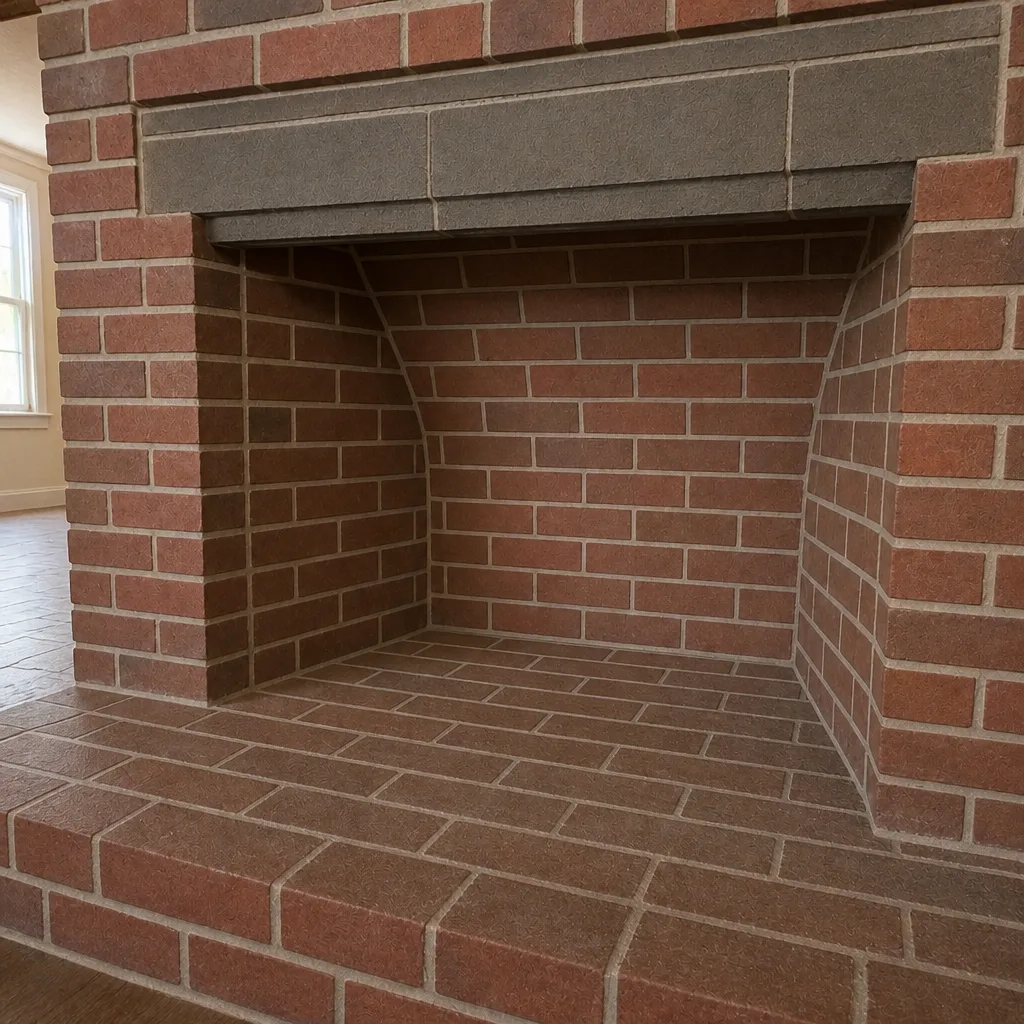
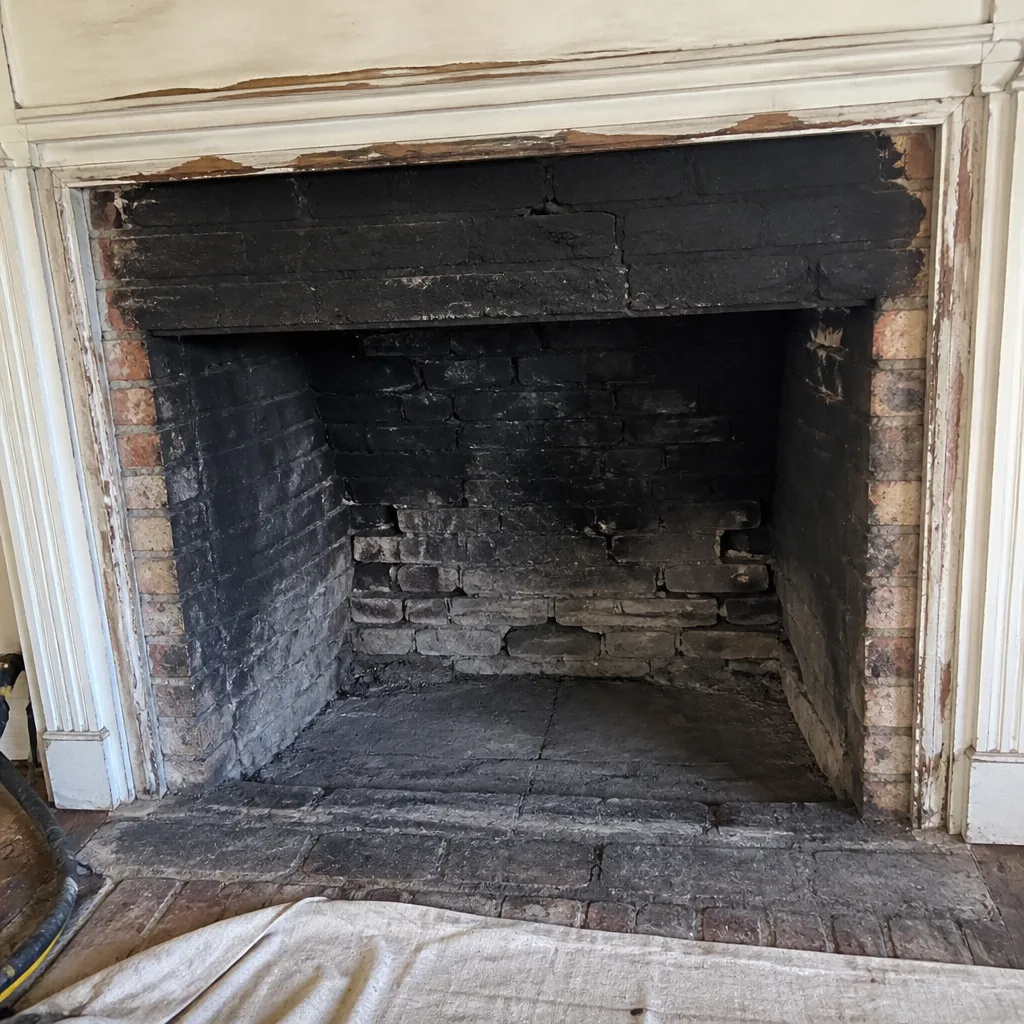
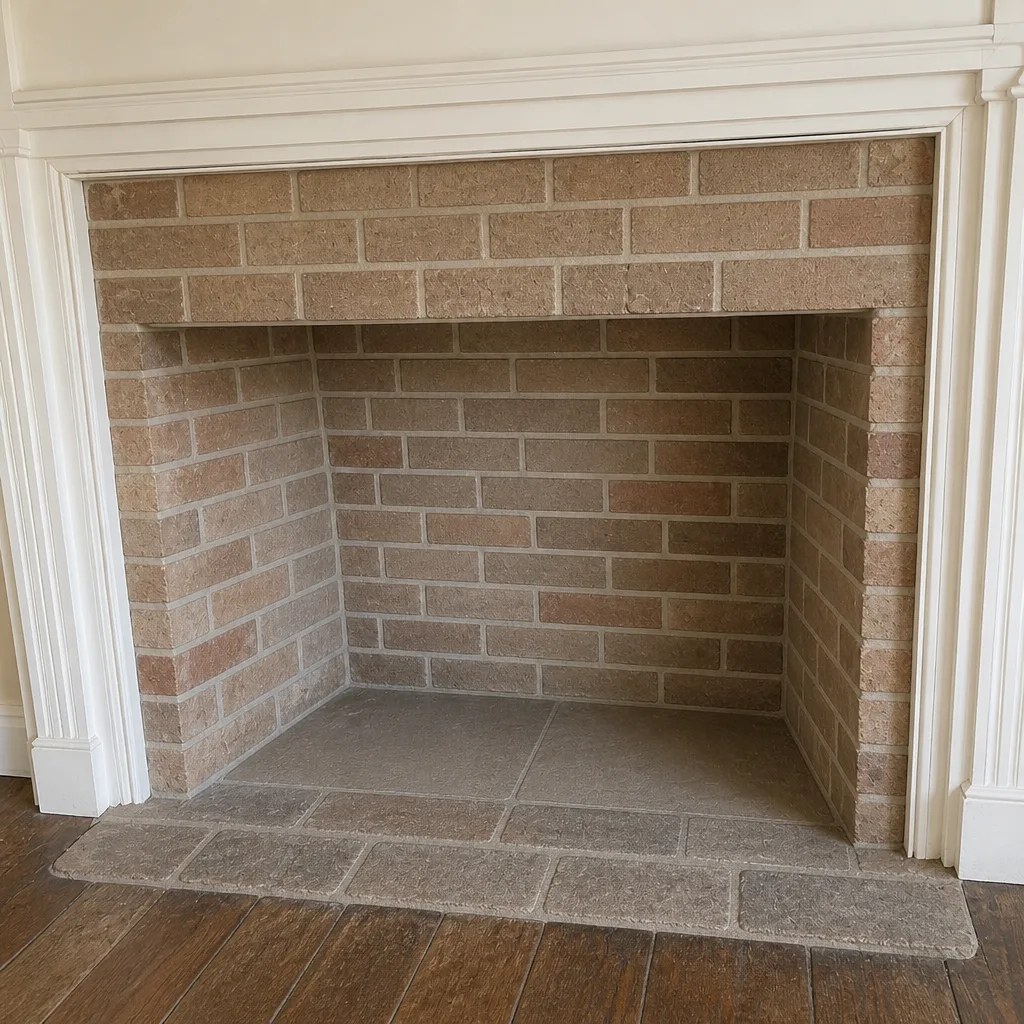
See the difference
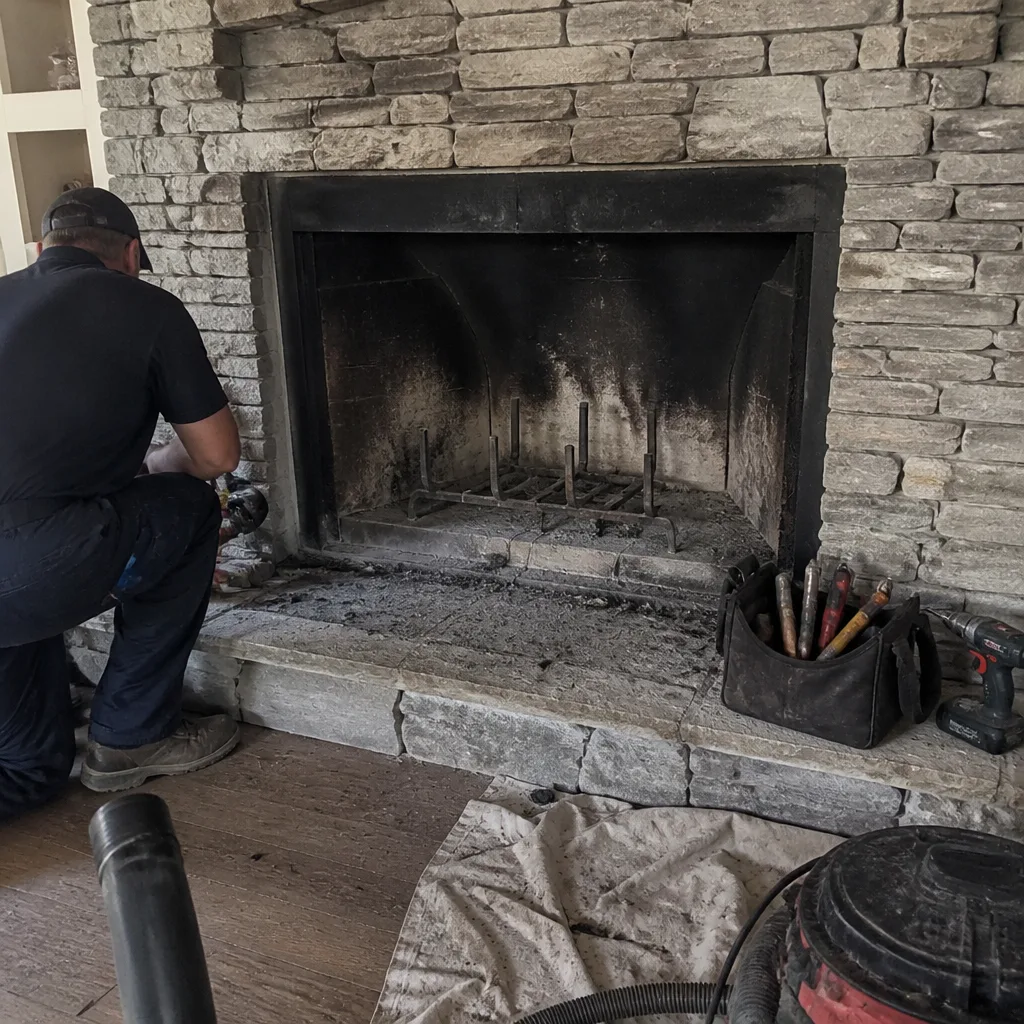 Before
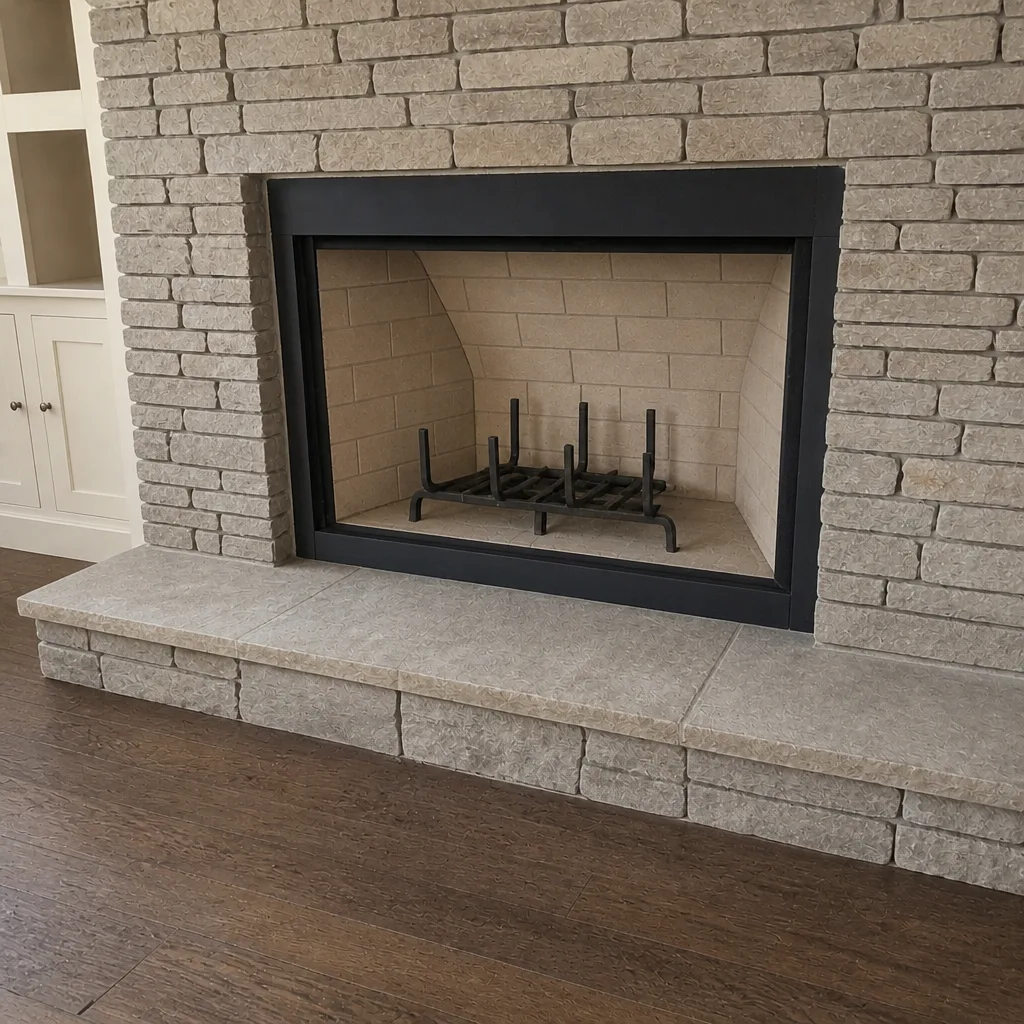 After
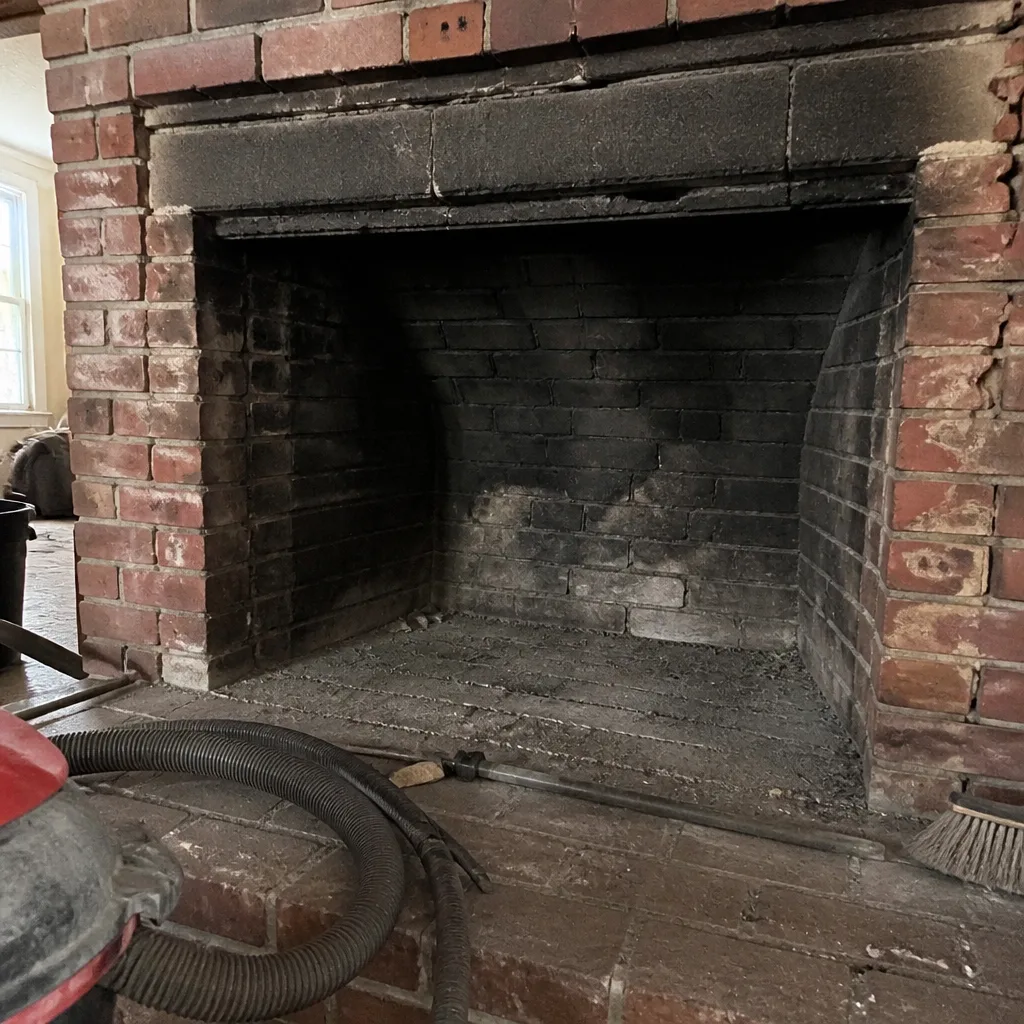 Before
 After
 Before
 After
When to Call a Professional
Some material decisions are clearly a professional’s call. If you’ve been told your flue needs attention, or you’re seeing cracked tile, spalling, a loose cap, or water stains around the chimney, that’s the moment to bring in a chimney specialist rather than a general contractor. If your appliance has changed (a new insert or wood stove), the liner may no longer be correctly sized, and that’s a specification question. If you’re buying a home in North Charleston and the inspection report flags the chimney, get a specialist’s read on the materials the repair will require. And if you simply don’t know what was installed last time, an inspection with documentation is the right starting point. Denali Chimney Sweep offers free estimates in North Charleston. Call (855) 723-7039. We answer 24/7. Fast dispatch from 7am to 7pm, Sunday through Friday.
Frequently Asked Questions
A professional-grade product is engineered for the flue environment, tested and listed to a recognized standard, supported by manufacturer documentation, and installed by a trained technician. A hardware-store product is built for a retail price point and a weekend project, and often carries no listing for use inside a chimney. The material, the testing, and the installation training are all different. If a product can’t name its listing, don’t treat it as a repair.
Yes. Ask for the product name and the spec sheet, confirm the listing covers your flue and appliance, and check that the invoice matches. Listed products carry a label, and a legitimate technician provides the documentation without friction. Keep the spec sheet and warranty terms together with the invoice. Call (855) 723-7039 for an exact quote, estimates are free.
That depends on what the inspection finds. A resurfacing process like HeatShield is engineered for a deteriorated but structurally sound flue interior, while a flexible liner system such as DuraFlex is for a flue that’s unlined, cracked through, or no longer correctly sized for the appliance. The right answer follows the diagnosis, not the other way around. An inspection with documentation tells you which applies to your chimney. Call (855) 723-7039 for a free estimate.
North Charleston’s humid climate and tree cover make a well-fitting cap a real part of the system. A cap that fits poorly may not keep rain, debris, and animals out, and can interfere with draft. Gelco caps are known in the trade for precision fit and durability, which is why we specify them rather than a generic cap. A cap is a small component doing an important job.
That’s a reason to pause before approving work. A chimney specialist should be able to name the product, explain why it fits your flue and appliance, and provide the listing and spec sheet. If those answers aren’t available, the material choice wasn’t made with the application in mind. Call (855) 723-7039 for an exact quote, estimates are free.
A technician should tell you plainly when a defect can safely wait and when it can’t. A loose cap or a minor crown crack may be scheduled, while a failed liner or a cracked flue serving a wood-burning appliance is a safety matter that deserves timely attention. Ask directly whether the work can wait, and ask to see the inspection findings that support the answer. Call (855) 723-7039 for a free estimate.
The Bottom Line
The brands in chimney work aren’t trivia. They’re the evidence that a technician chose materials for your flue instead of for a price point. Learn to ask for the product name, the listing, and the spec sheet, and you can verify a repair instead of taking it on faith. The difference between a consumer-grade patch and a professional-grade system in North Charleston is the difference between a delay and a fix. Denali Chimney Sweep works exclusively with professional-grade systems, from DuraFlex liners to HeatShield resurfacing to Gelco caps, sourced through Olympia Chimney, Famco, and Copperfield. Our technicians have up to 14 years of experience. If you’d like your chimney’s materials explained and documented, call (855) 723-7039 for a free estimate.
Written by the team at Denali Chimney Sweep.