
Last updated November 15, 2026
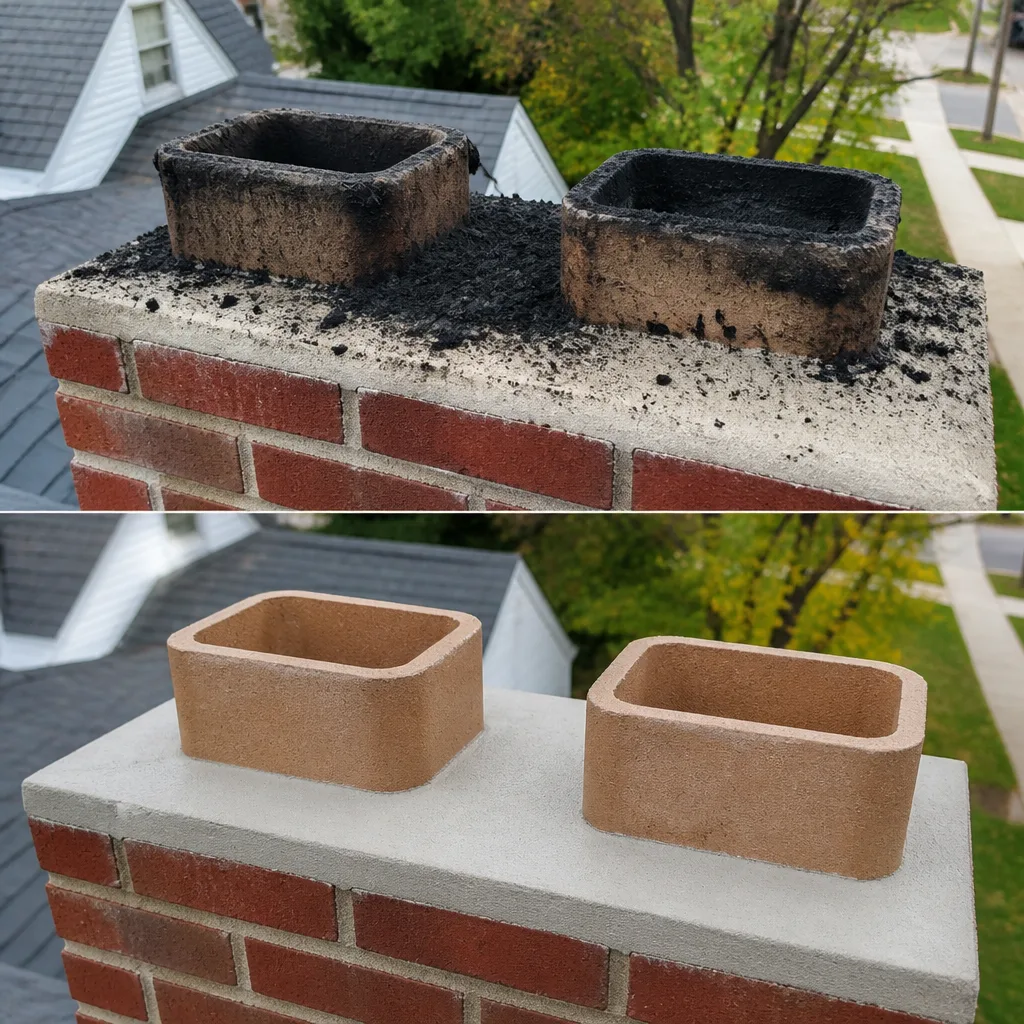 Sweep & inspection
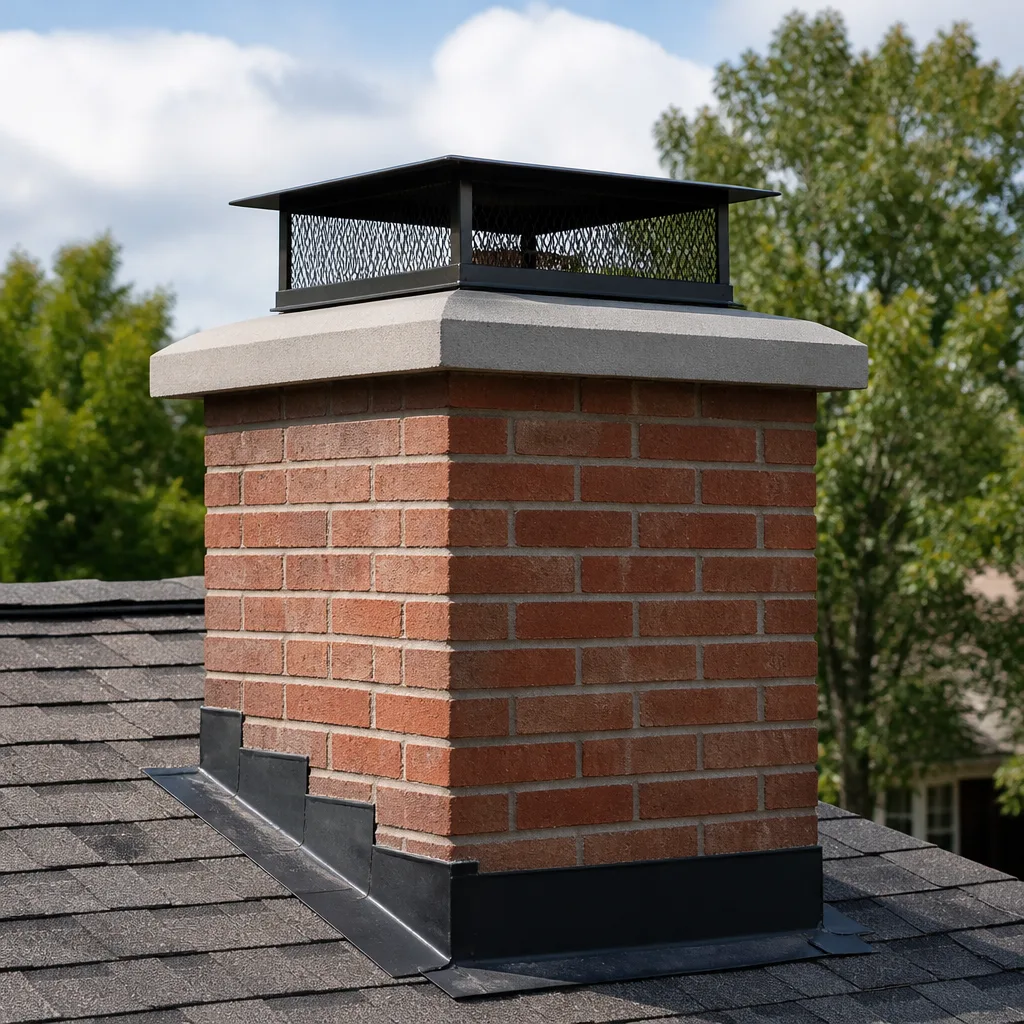 Caps & crowns
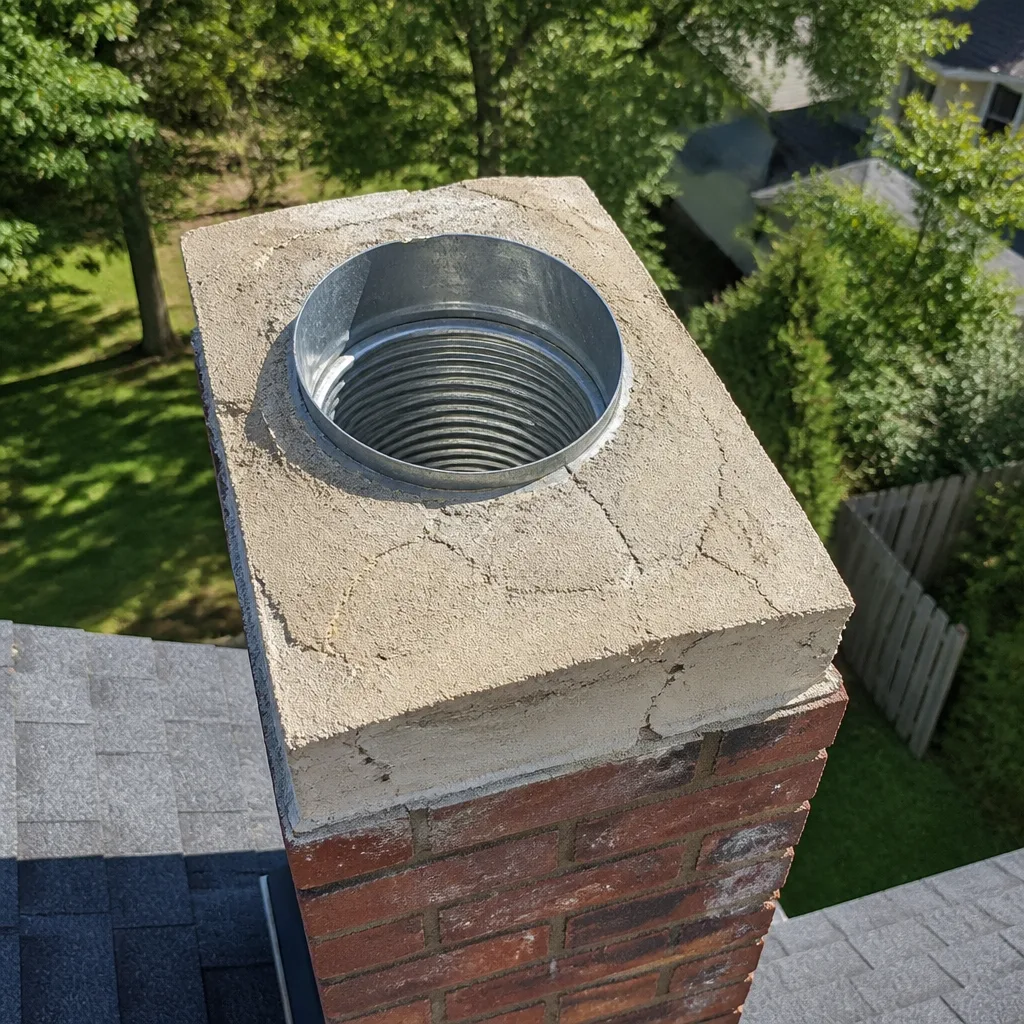 Flue relining
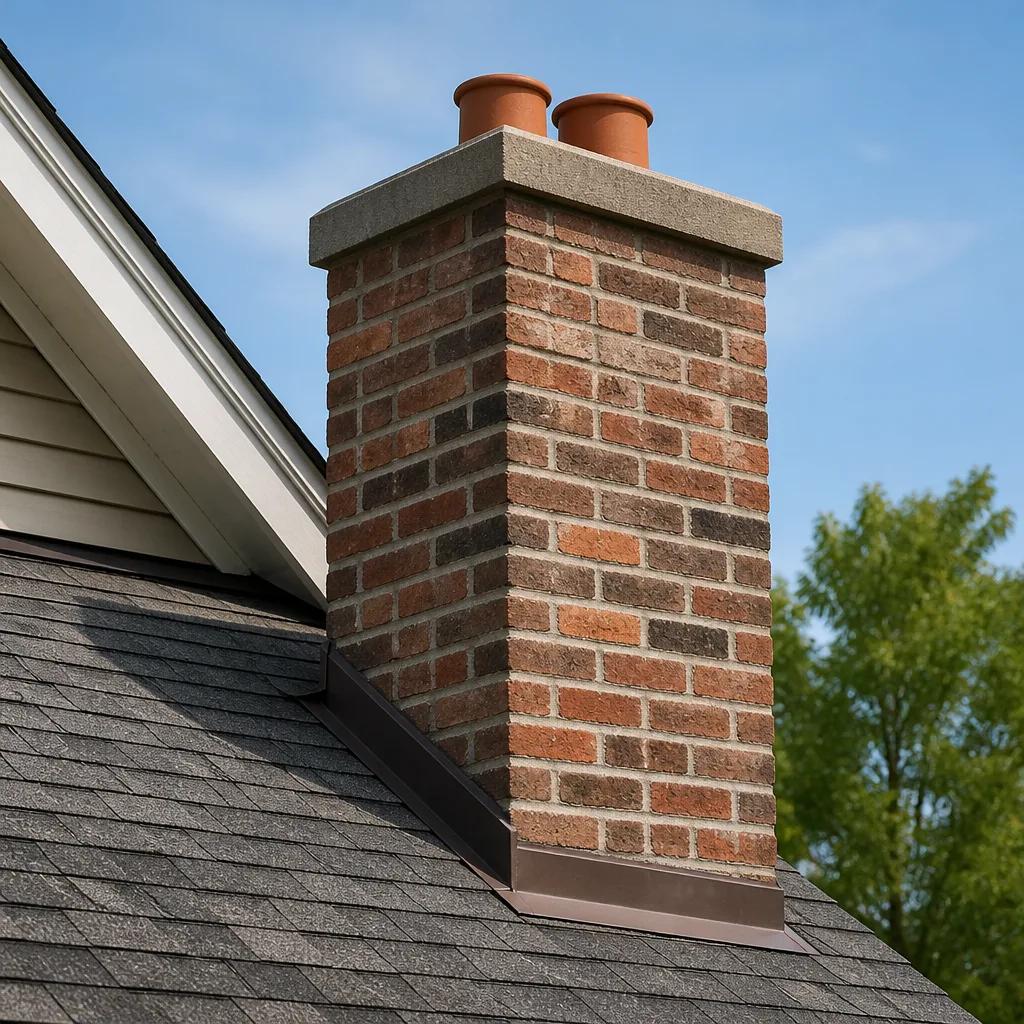 Masonry repair
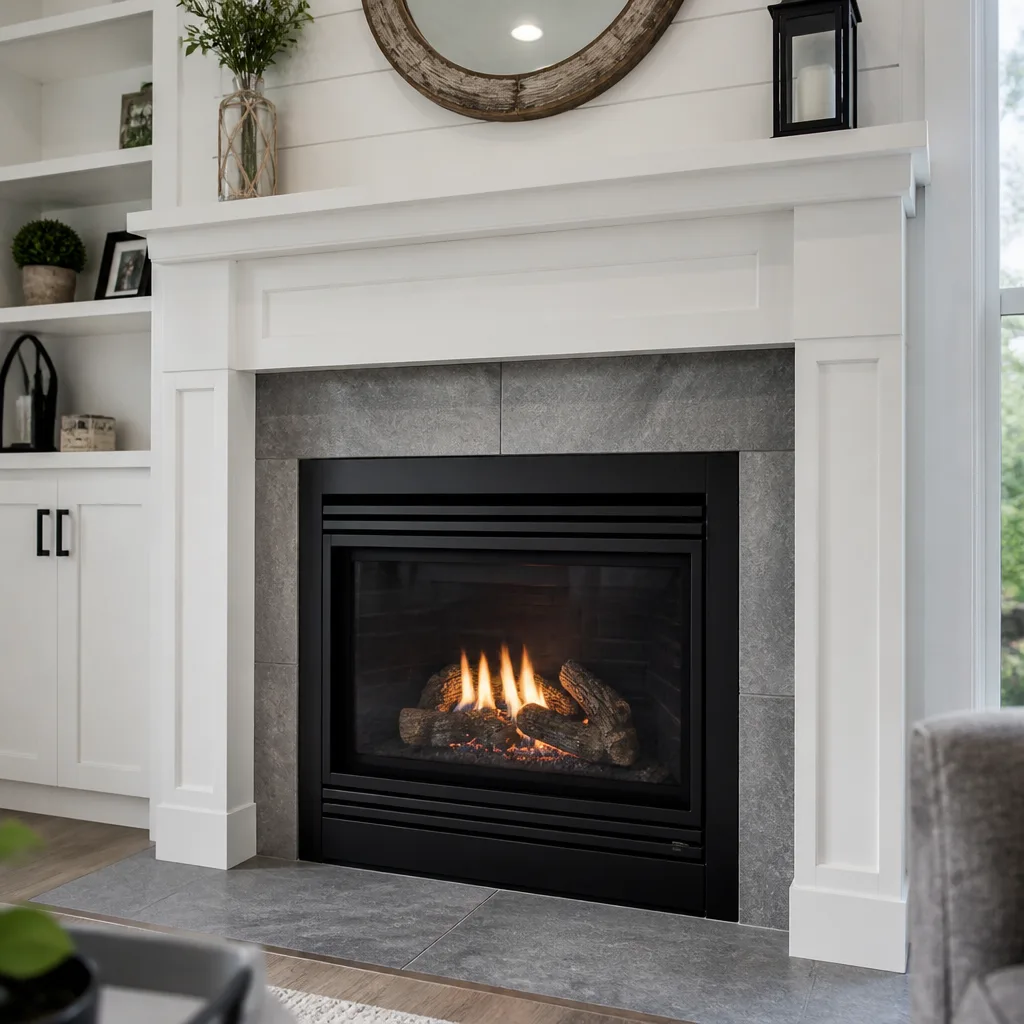 Gas fireplace service
Level 1 sweep and inspection to the NFPA 211 annual standard - flue, crown, cap, and flashing checked and photographed
Chimney sweep logs do not sweep chimneys. They loosen some creosote - which then falls where a brush and vacuum still have to collect it.
Chimney Sweep Maintenance Schedule: What to Do and When
The standard advice you’ll find on nearly every chimney website is the same: sweep and inspect once a year, every year, no exceptions. That standard was written for cold-climate homeowners burning multiple cords of hardwood through a long heating season. It doesn’t map cleanly onto a North Charleston home where the fireplace gets lit a handful of times a season, or where a gas insert runs for decoration more than heat. Following a cold-climate schedule here means paying for work you don’t need, or skipping the checks that actually matter in this climate. This guide lays out a maintenance calendar built around fuel type, usage, and the specific conditions a North Charleston chimney faces, so you know what to do and when to do it.
Quick Answer
How often you need a chimney sweep in North Charleston depends on what you burn and how often. Gas-log fireplaces generally need a sweep and inspection every two years, occasional wood burning warrants an annual inspection with a sweep as needed, and active wood burning calls for a sweep before and after the burning season. Every chimney should also get a visual check after storm season and before spring, because wind-driven rain and humidity here do more wear than most national schedules account for.
Styles & brands we work with
- Sweep & inspection
- Caps & crowns
- Flue relining
- Masonry repair
- Gas fireplace service
Table of Contents
- Why the Standard Annual Schedule Doesn’t Fit North Charleston
- Chimney Sweep Frequency by Fuel Type and Usage
- The Local Wear Layer: Humidity, Rain, and Long Summers
- The Two Best Inspection Windows in North Charleston
- Level 1 vs. Level 2 Inspections: What Each Covers
- A Between-Visit Checklist You Can Run Yourself
- Your Month-by-Month Chimney Calendar
- Common Mistakes to Avoid
Why the Standard Annual Schedule Doesn’t Fit North Charleston
The annual inspection standard most homeowners have heard comes from national fire-safety guidance written around heavy wood burning in cold climates. It assumes a chimney accumulates creosote fast, that the heating season runs five or six months, and that freezing cycles stress the masonry every winter. None of those assumptions hold here. A North Charleston winter is short and mild, most fireplaces see far fewer fires than a northern chimney, and the dominant stress on a chimney in this city isn’t freeze-thaw. It’s moisture, heat, and time.
That changes the math in two directions. Some homeowners here can safely stretch the interval between sweeps, especially gas-log users who may never build up meaningful creosote at all. Others need more attention than the national schedule suggests, because a masonry chimney that sits unused for nine months in high humidity is being worked on by the weather every day, even when there’s no fire in the box. The chimney doesn’t get a break just because the fireplace does.
This is also why a chimney-only specialist matters. A generalist with a brush can clean a flue. Understanding how North Charleston’s climate ages masonry, flashing, and caps takes someone who sees chimney systems here week after week. At Denali Chimney Sweep, we treat the chimney as a system, not a single sweep, because the schedule that keeps one safe here is built from local conditions, not a national default.
Chimney Sweep Frequency by Fuel Type and Usage
The single biggest factor in how often you need service is what you burn. Here’s how we break it down for North Charleston homes, based on the fuel type and how hard the fireplace actually works.
| Fuel Type / Usage | How Often to Sweep | How Often to Inspect |
|---|---|---|
| Gas logs or gas insert | Every 2 years, or as inspection shows | Every 2 years minimum |
| Occasional wood burning (a few fires a season) | Annually, or when creosote builds to 1/8 inch | Annually |
| Active wood burning (regular fires through the season) | Before the season and again after | Annually, plus after any chimney fire |
| Wood stove used as primary heat | Twice per season or more as buildup dictates | Annually, plus a mid-season check |
| Unused masonry chimney | No sweep needed if truly idle | Every 2-3 years to catch structural decay |
The 1/8-inch creosote threshold is a useful rule of thumb, not a hard line. Glazed, shiny creosote is more dangerous than its thickness suggests and should be addressed regardless. Gas logs produce very little creosote but can leave a corrosive residue on the flue that’s worth checking, which is why we still inspect gas systems on a regular interval rather than assuming no fire means no problem.
The Local Wear Layer: Humidity, Rain, and Long Summers
Here’s the part most national schedules skip entirely: a chimney in North Charleston is being aged by the climate even when it isn’t in use. Long, humid summers followed by heavy seasonal rain put steady stress on the parts of a chimney that live outdoors. The crown, the flashing where the chimney meets the roof, the mortar joints between bricks, and the cap all take the hit first.
What that looks like in practice:
- Mortar joints erode first. Rain soaking and drying repeatedly softens the mortar between bricks, and once joints start to crumble, water gets behind them and into the chimney’s structure.
- Flashing corrodes and pulls away. The metal that seals the chimney to the roof is a common entry point for leaks, and it doesn’t always announce itself with a stain on the ceiling right away.
- Crowns crack. A hairline crack in the concrete crown lets water in from the top, which is the most direct path into a flue.
- Caps fail quietly. A loose or rusted cap lets rain straight down the flue and gives animals an easy way in.
This is where materials matter. When we do repair work, we use professional-grade parts and processes, the same brands installers and manufacturers specify: DuraFlex for flexible liner systems, HeatShield for flue resurfacing, Gelco for precision-fit caps, and Olympia Chimney for supply. That’s not a sales point; it’s the difference between a fix that holds through another humid summer and one that doesn’t. Our technicians have up to 14 years of experience, and the majority of structural problems we see locally trace back to water getting in where nobody was looking.
The Two Best Inspection Windows in North Charleston
Timing your inspection around the local weather calendar gives you the most useful information for the least repeat work. In our experience, two windows work best for North Charleston chimneys.
- November, after hurricane season ends. By November, the storm season that runs through late fall has passed, and any wind-driven rain, loose flashing, or cap damage has had a chance to show itself. An inspection now catches what the season did to the exterior before the weather turns and before the first fire of the year.
- February, before spring storm season. A late-winter check catches winter damage, confirms the flue is clear and ready, and gives you time to schedule any repair before spring storms arrive. It also lines up with the tail end of the burning season, so a sweep now clears out the season’s accumulation.
Between those two windows, the annual rhythm does the rest: inspect in November, sweep if needed, and use February to confirm the system is ready for another year. Homes that burn wood actively may add a sweep at the start of the season. Homes with gas logs or an idle chimney can move to an every-other-year inspection and still stay protected. If you’re setting up your first chimney sweep in a new home, we’ll walk you through what your chimney actually needs based on how you use it.
Level 1 vs. Level 2 Inspections: What Each Covers
Not all chimney inspections are the same, and many homeowners don’t know they can and should ask for a specific level. The industry defines three, but two matter for most homes.
- Level 1 inspection. A visual check of the readily accessible parts of the chimney and firebox, with the firebox door and damper open. It’s the right choice for a chimney that’s already known, in continued use, and not changing hands. This is your standard annual or biennial visit.
- Level 2 inspection. Everything in a Level 1 plus a check of accessible areas that a basic visual can’t reach, often including a video scan of the flue. It’s the standard when a property changes hands, after a storm or chimney fire, when a fuel type changes, or when a problem is suspected. Most homeowners are entitled to ask for one and often don’t know it.
If you’ve bought a home in North Charleston, a Level 2 is worth doing before your first fire, no matter how clean the firebox looks. Same if you’ve had storm damage to the roof or chimney area, or if you’re switching from wood to gas or adding an insert. When a Level 2 turns up a cracked or deteriorated flue, that’s where chimney repair comes in, and it’s why we keep HeatShield resurfacing and DuraFlex relining in-house rather than handing you off to a second contractor.
A Between-Visit Checklist You Can Run Yourself
You don’t need to clean a chimney yourself to keep an eye on it. A few simple checks between professional visits catch problems early. None of these involve reaching into the flue or climbing the roof, and none of them replace a real inspection.
- Look at the cap. From the ground with binoculars, check that the cap is seated, not rusted through, and not loose. A missing or damaged cap is the fastest route for rain and animals into your flue.
- Work the damper. Open and close it a few times. It should move smoothly and seal reasonably when closed. A damper that sticks or won’t close lets heat out and moisture in.
- Shine a light up the flue. With a flashlight from the firebox, look up the flue for visible cracks, gaps, or heavy soot buildup. Don’t reach in; just look.
- Check the firebox for loose mortar or cracked brick. Crumbling joints in the firebox itself are a sign water or heat has gotten to the masonry.
- Look for water stains on the ceiling or chimney chase. Staining after a storm points to a flashing or crown issue worth a professional look.
- Watch for animal activity. Droppings or debris in the firebox can mean a cap has failed or gone missing.
Any of these turning up a problem is your cue to book an inspection rather than wait for the next scheduled date. When you call, we answer 24/7. A call outside dispatch hours is booked into the next opening, Sunday through Friday, 7am to 7pm.
Your Month-by-Month Chimney Calendar
Here’s the full-year schedule broken down into concrete steps. Adjust the wood-burning entries to how often you actually light a fire.
- Early fall (depending on the year’s weather): Clear any debris from around the firebox, check the cap, and confirm the damper works before the first fire. If you burn wood actively, schedule your pre-season sweep.
- November: Post-hurricane-season inspection. This is the best window to catch exterior damage from the storm season and confirm the flue is clean before the fires pick up.
- December through February: Burn season for most North Charleston homes. Watch for smoke backing up into the room, a fire that draws poorly, or unusual smells, any of which mean a call rather than a wait.
- February: Pre-spring inspection. Confirm what winter did to the system and book any repair before spring storms arrive.
- Late winter to early spring: If you burn wood, schedule your post-season sweep to clear out creosote before the humidity sets in.
- Spring through summer: Keep an eye on the exterior. This is when rain and humidity do their slow work on mortar, crowns, and flashing. Gas-log users can use this window for their every-other-year inspection.
- Before the next fall: Service any repair a spring inspection flagged, so the chimney is ready when you want to use it.
Seasons don’t run on a perfect clock, so treat these as target windows, not fixed dates. If you’re not sure where your chimney stands, a single inspection tells you which column of the calendar applies to your home. Homes in North Charleston range from older masonry chimneys to newer inserts, and the right schedule differs for each.
Common Mistakes to Avoid
- Following the cold-climate annual rule no matter what you burn. A gas insert that runs a few dozen hours a season doesn’t need the same schedule as a wood stove. Match the schedule to the fuel and the usage, not the general advice.
- Skipping the exterior. Most local chimney problems start on the outside, at the crown, flashing, mortar joints, or cap. A sweep that only cleans the flue leaves the part the weather attacks unchecked.
- Ignoring the post-storm inspection. Wind-driven rain and storms can loosen flashing or crack a crown without an obvious sign inside. An inspection after storm season catches it early.
- Not asking for a Level 2 after buying a home. You’re entitled to ask, and the flue’s condition matters more than how clean the firebox looks on day one.
- Treating a cap as optional. A missing or rusted cap lets rain straight into the flue and animals into the chimney. A quality cap is a small fix that heads off much larger ones.
- Putting off a flagged repair through the off-season. A small mortar or flashing problem left through a humid summer has more time to get worse. Book it before the next season, not after.
- Waiting for a visible symptom before calling. By the time you see staining or smoke backup, moisture has usually been at work for a while. The inspection is the cheap part.
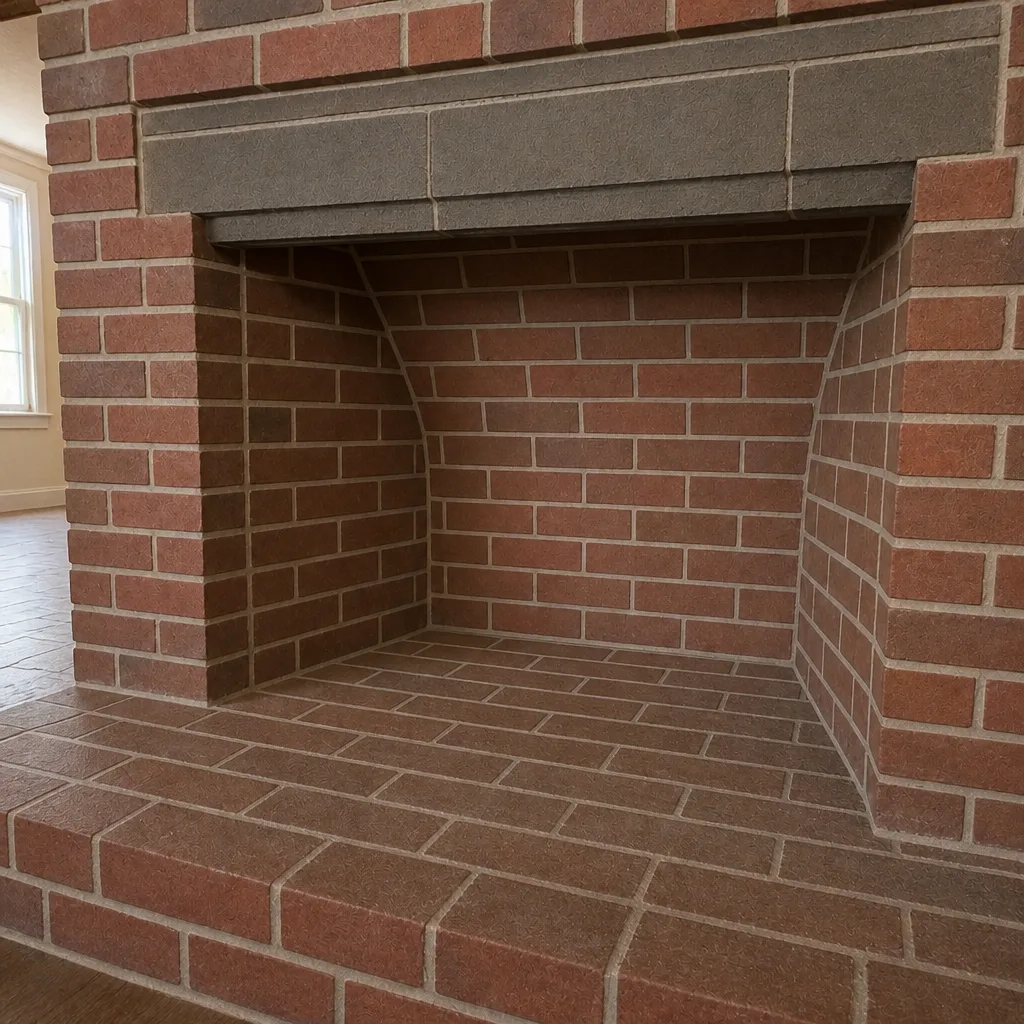
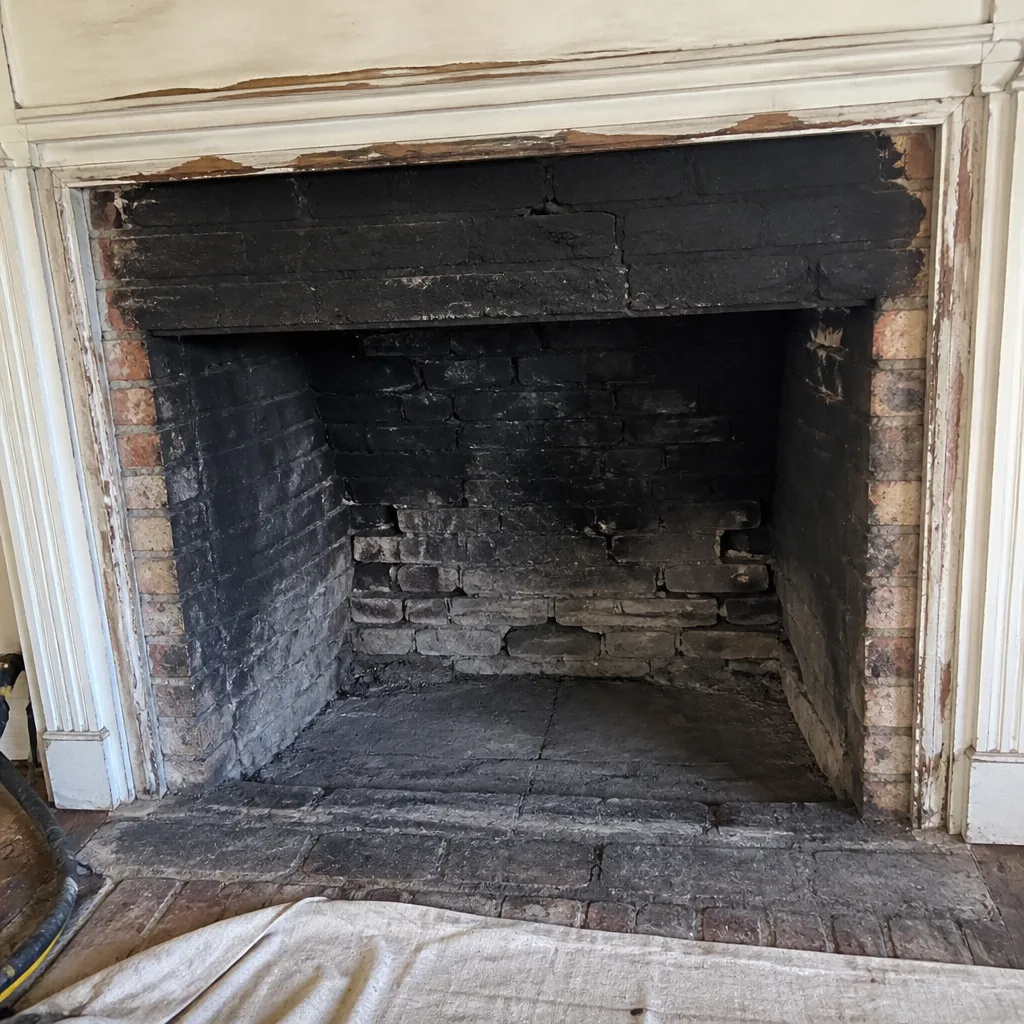
See the difference
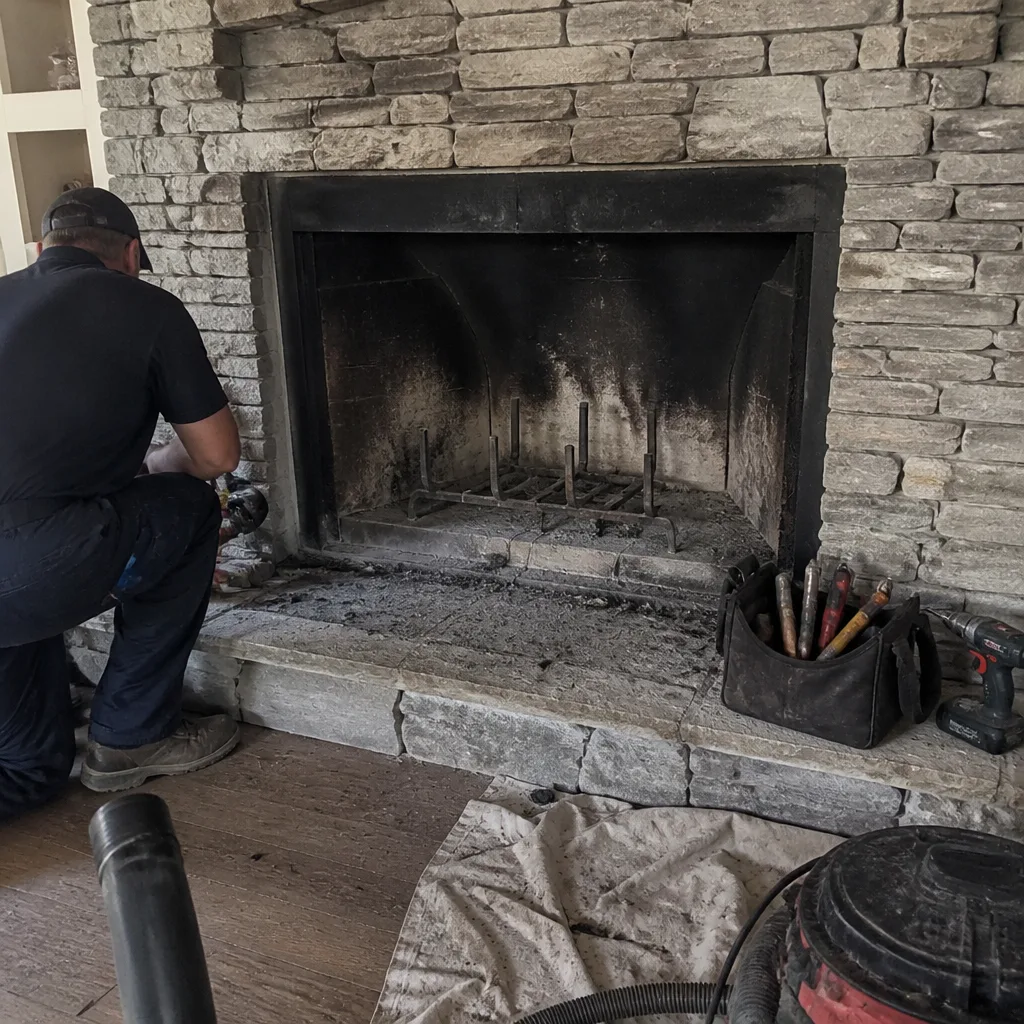 Before
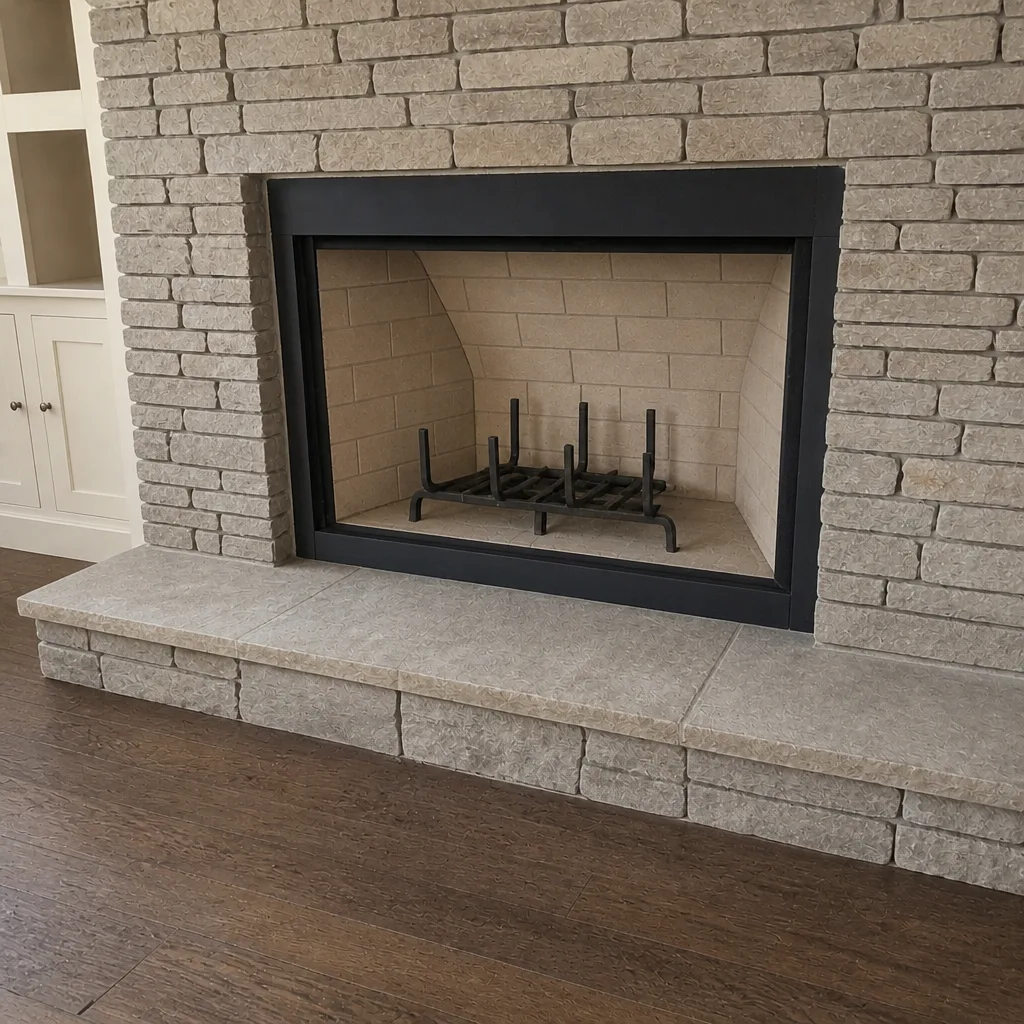 After
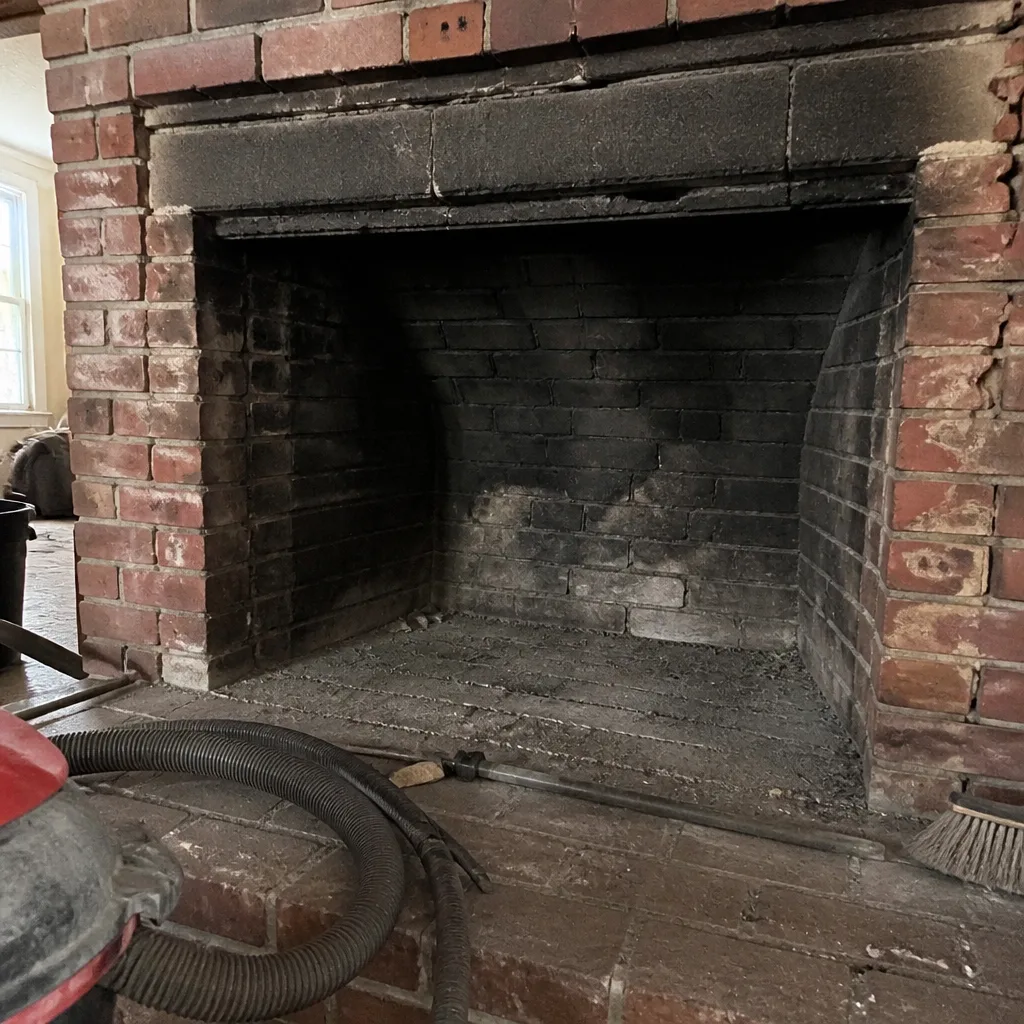 Before
 After
 Before
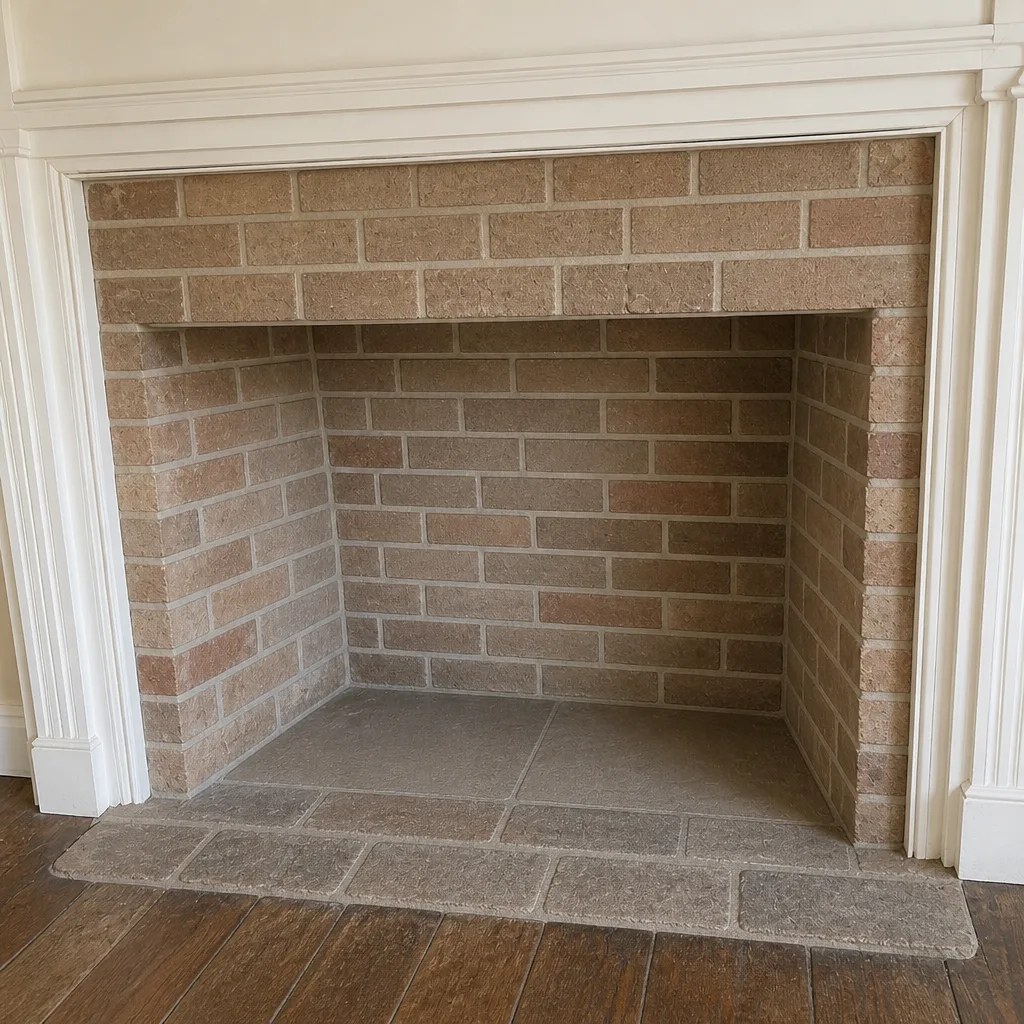 After
When to Call a Professional
Call us when you smell smoke in the room with the damper open, when a fire draws poorly or backs smoke into the house, or when you’ve used the chimney and see a buildup that looks like a thick, glazed layer. Call after any chimney fire, even a small one, and after storm damage to the roof near the chimney. If you’re buying or selling a home in North Charleston and want a Level 2 before closing, that’s a call we take. If you haven’t had an inspection in a few years and you’re not sure where to start, an inspection tells you exactly what your chimney needs and what can wait. Denali Chimney Sweep offers free estimates in North Charleston – call (855) 723-7039. We answer 24/7. Fast dispatch from 7am to 7pm, Sunday through Friday.
Frequently Asked Questions
It depends on what you burn: gas logs every two years, occasional wood burning annually with a sweep when creosote reaches about 1/8 inch, and active wood burning before and after the season. An annual inspection in fall and again before spring keeps any schedule safe. Call (855) 723-7039 for an exact quote – estimates are free.
Probably not every year, but you do need an inspection. Occasional wood burners build creosote slowly, and the bigger risk here is exterior moisture damage from the off-season, not flue buildup. An inspection tells you whether a sweep is warranted this year. Call (855) 723-7039 for an exact quote – estimates are free.
A Level 1 is a visual check of the accessible chimney and firebox; a Level 2 adds a closer look at areas a visual can’t reach, often with a video scan of the flue. Level 2 is standard after a home purchase, a storm, a chimney fire, or a change in fuel type. Call (855) 723-7039 for an exact quote – estimates are free.
November falls right after storm season, so any wind-driven rain, loose flashing, or cap damage has already shown itself. It’s also before the first fire of the year, which gives you time to fix anything the season turned up. Call (855) 723-7039 for an exact quote – estimates are free.
Yes, at least on a slower interval. An idle masonry chimney still takes on rain and humidity, so an inspection every two to three years catches crown, flashing, and mortar decay before it becomes structural. Call (855) 723-7039 for an exact quote – estimates are free.
Skipped maintenance lets two things happen: creosote builds in an active flue and raises the risk of a chimney fire, and moisture quietly degrades the crown, flashing, and mortar on a schedule that runs all year. Neither announces itself early, which is the argument for an inspection before something fails. Call (855) 723-7039 for an exact quote – estimates are free.
The Bottom Line
The national annual-sweep rule is a starting point, not a plan. For a North Charleston chimney, the right schedule is built from three things: what you burn, how often you burn it, and the steady work that humidity and rain do on the exterior every month of the year. Sweep based on fuel type and usage, inspect in November after storm season and again in February before spring, and know what a Level 1 and a Level 2 each cover so you can ask for the right one. Run the simple between-visit checks, act on what they find, and treat an inspection as the cheap insurance it is. Inspect first. Repair right. No guesswork.
From annual cleaning to full flue relining, one call covers it. Reach out to Denali Chimney Sweep for a free estimate: call (855) 723-7039. We answer 24/7. Fast dispatch from 7am to 7pm, Sunday through Friday.
Written by the team at Denali Chimney Sweep.